Balance Exercises for Cervicogenic Dizziness
Restore proprioceptive accuracy and sensory integration from the neck
Why Balance Exercises Works for Cervicogenic
Cervicogenic dizziness occurs when abnormal proprioceptive signals from the neck disrupt the brain's balance processing. Neck muscles and joints normally provide precise information about head position, but injury, stiffness, or poor posture can corrupt these signals. Balance exercises retrain the brain to properly integrate neck proprioception with vestibular and visual inputs, resolving the mismatch that causes dizziness.
The Science
Clinical trials published in Manual Therapy and the Journal of Orthopaedic & Sports Physical Therapy demonstrate that balance training combined with cervical proprioceptive exercises reduces dizziness and improves postural control in cervicogenic dizziness. Studies show that multimodal rehabilitation targeting both neck function and balance achieves superior outcomes compared to either approach alone.
Exercise Protocol
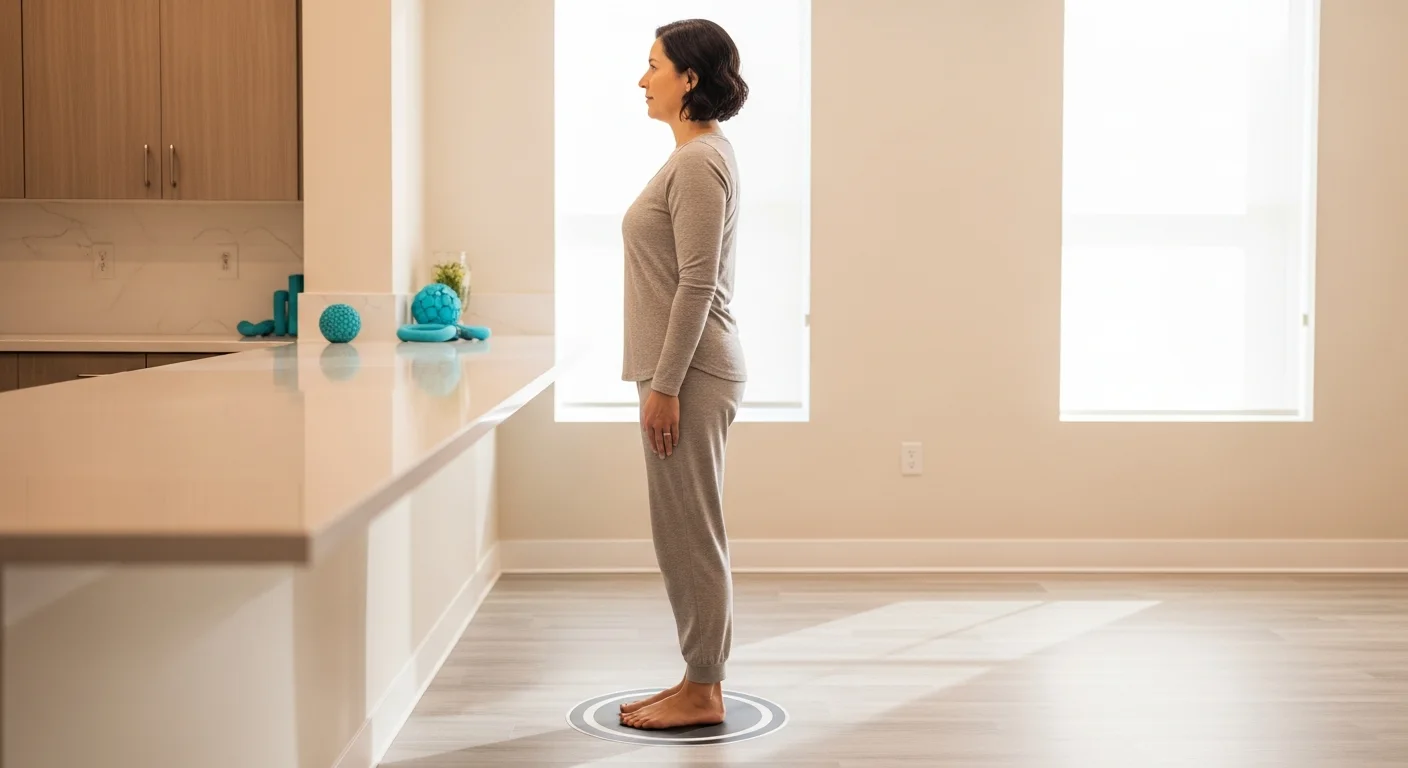
Feet Together Stance
Stand with feet together on a firm surface. Hold for 30-60 seconds with eyes open, then repeat with eyes closed. Focus on maintaining an upright posture with relaxed shoulders. This baseline exercise reveals how much your balance relies on visual compensation.
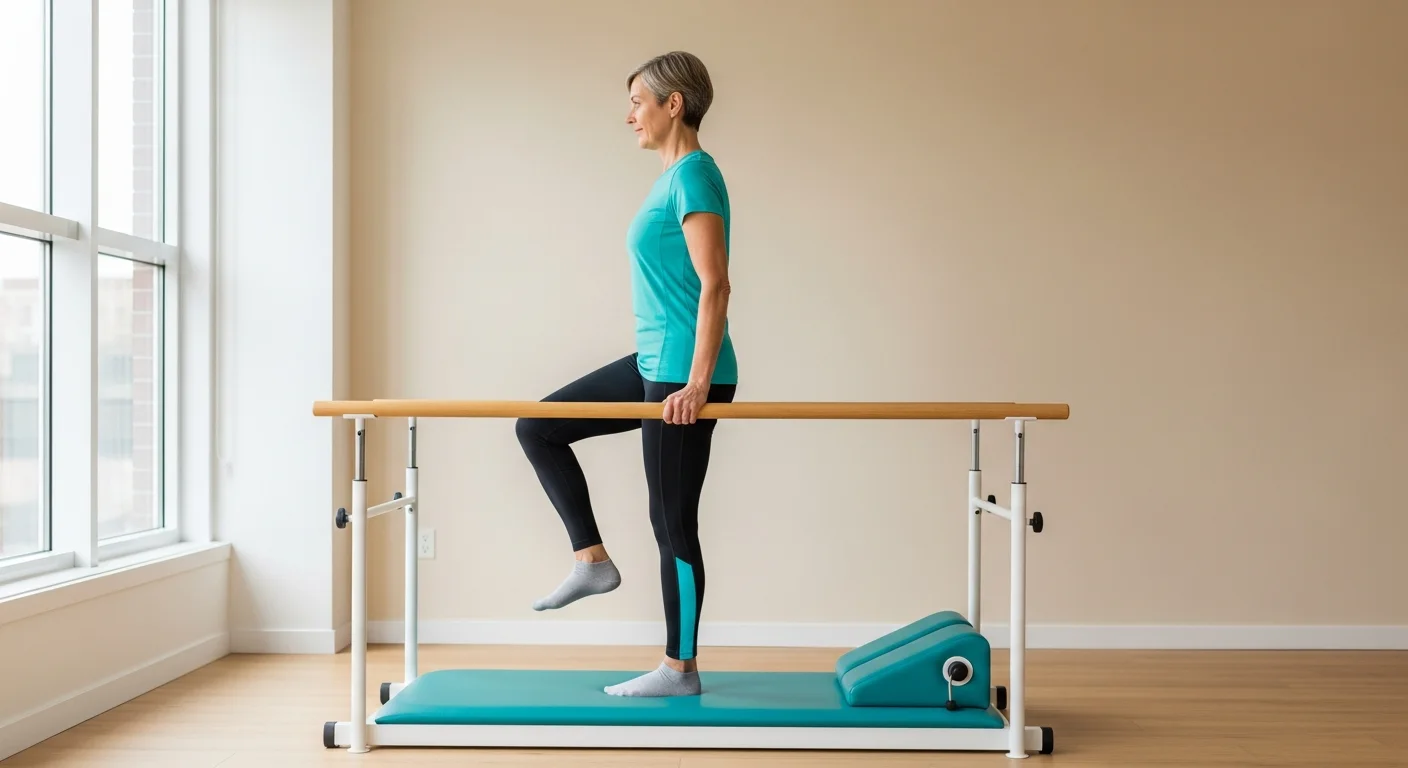
Single Leg Stance with Neck Movements
Stand on one leg near a wall. Once stable, slowly turn your head left and right through a comfortable range. This directly challenges the neck proprioceptive system while the balance system is loaded. Switch legs after 20-30 seconds.
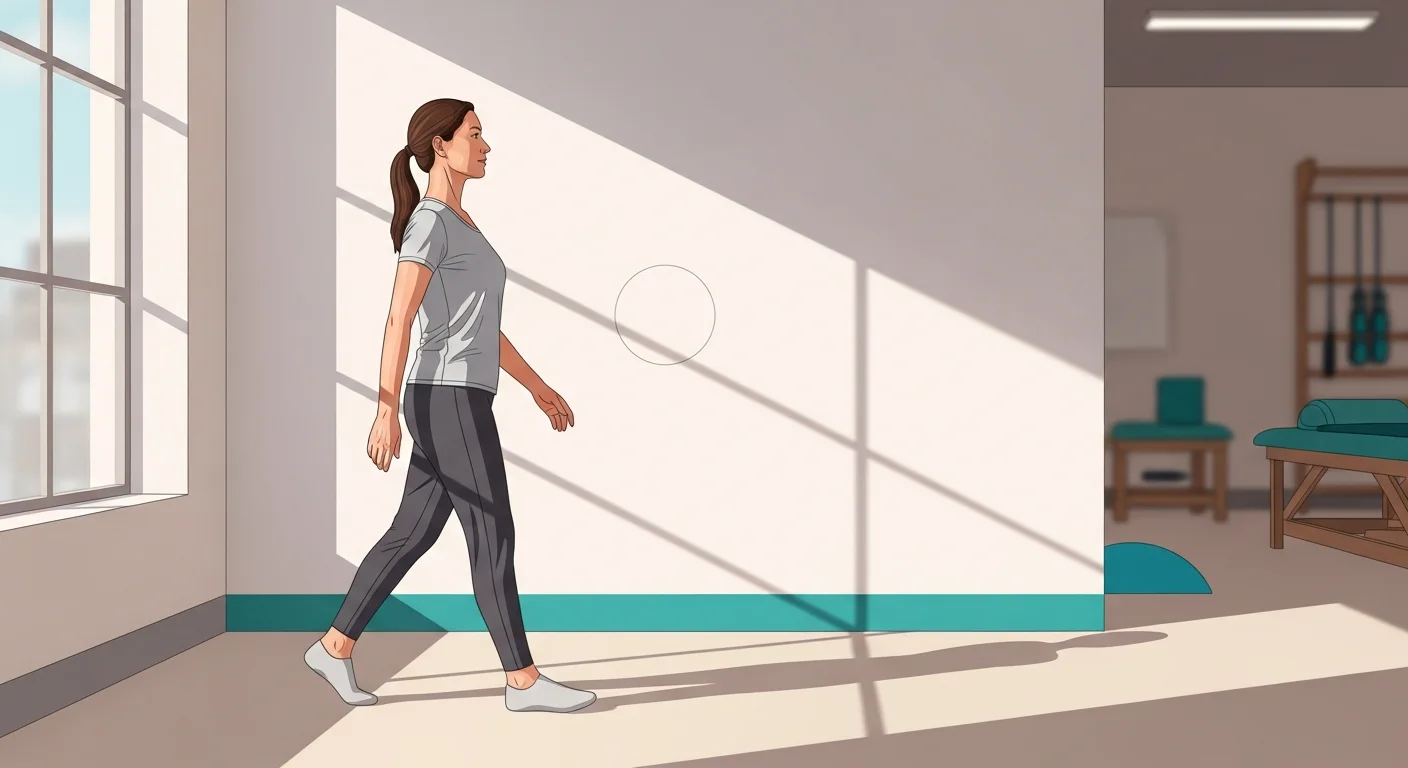
Walking with Gentle Head Turns
Walk at a normal pace along a hallway. Every 3-4 steps, smoothly turn your head to look left, then right on the next cycle. Keep your movements slow and controlled. The goal is to walk straight despite the head turns. Progress to busier visual environments.
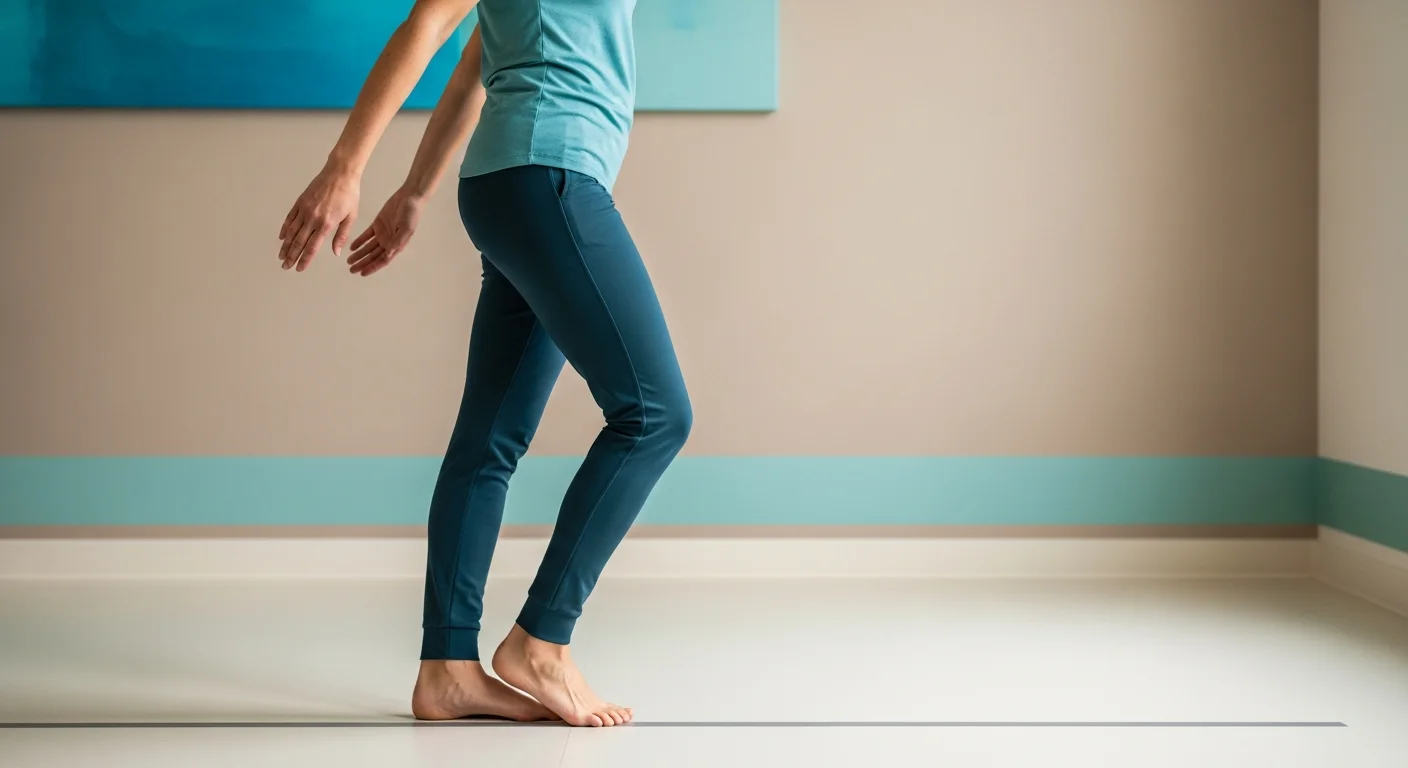
Dynamic Balance on Varied Surfaces
Practice standing and walking on different surfaces: carpet, foam, grass, gravel. Add head movements once stable on each surface. This trains the brain to integrate neck proprioception under varied sensory conditions, building robust balance for real-world situations.
Expected Recovery Timeline
Week 1: Getting Started
Start with feet-together stance and simple weight shifts. Focus on good posture and relaxed neck position during all exercises. If neck pain triggers dizziness, work within a pain-free range and consult your physiotherapist.
Weeks 2-4: Building Progress
Add single leg stance with neck movements and walking with head turns. Gradually increase the range and speed of head movements. Combine with cervical mobility and strengthening exercises for best results.
Months 2-3: Consolidation
Progress to dynamic balance on varied surfaces. Most patients experience significant improvement in dizziness and balance confidence. Continue maintenance exercises and ergonomic habits to prevent recurrence.
Tips for Success
- Combine balance exercises with neck stretching and strengthening for the best outcomes
- Maintain good posture throughout the day, not just during exercises—desk ergonomics matter
- Neck movements during balance exercises should be smooth and controlled, never jerky
- If certain head positions trigger dizziness, work gradually toward those positions rather than avoiding them
- Heat or gentle massage before exercise can reduce neck stiffness and improve proprioceptive input
When to Seek Help
- Sharp neck pain radiating down the arm, which could indicate nerve compression requiring medical evaluation
- Dizziness accompanied by numbness, weakness, or difficulty speaking—seek emergency care
- Symptoms worsening despite 3-4 weeks of consistent exercise
- Headaches that worsen with neck movements during exercises
Frequently Asked Questions
How do I know if my dizziness is from my neck?
Should I do balance exercises or neck exercises first?
Can poor posture cause balance problems?
How long does it take for cervicogenic dizziness to improve with exercises?
Related Exercise Guides
VOR Exercises for Cervicogenic
Retrain the eye-head coordination pathway disrupted by cervical spine dysfunction
Gaze Stabilization for Cervicogenic
Retrain the disrupted eye-neck coordination that causes cervical-related dizziness
Balance Exercises for BPPV
Regain confidence and stability after BPPV treatment
Start Your Recovery Today
Get personalized balance exercises with video guidance, progress tracking, and daily reminders.