Balance Exercises for BPPV
Regain confidence and stability after BPPV treatment
Why Balance Exercises Works for BPPV
Even after successful BPPV treatment, many people feel unsteady because they've been avoiding movements that might trigger symptoms. This leads to deconditioning. Balance exercises rebuild your confidence, strengthen stabilizing muscles, and help your brain reintegrate all balance inputs—visual, vestibular, and proprioceptive.
The Science
Research shows that adding balance training to BPPV treatment reduces fall risk and improves functional outcomes. A systematic review found that balance exercises following canalith repositioning reduce residual dizziness duration by up to 50%.
Exercise Protocol
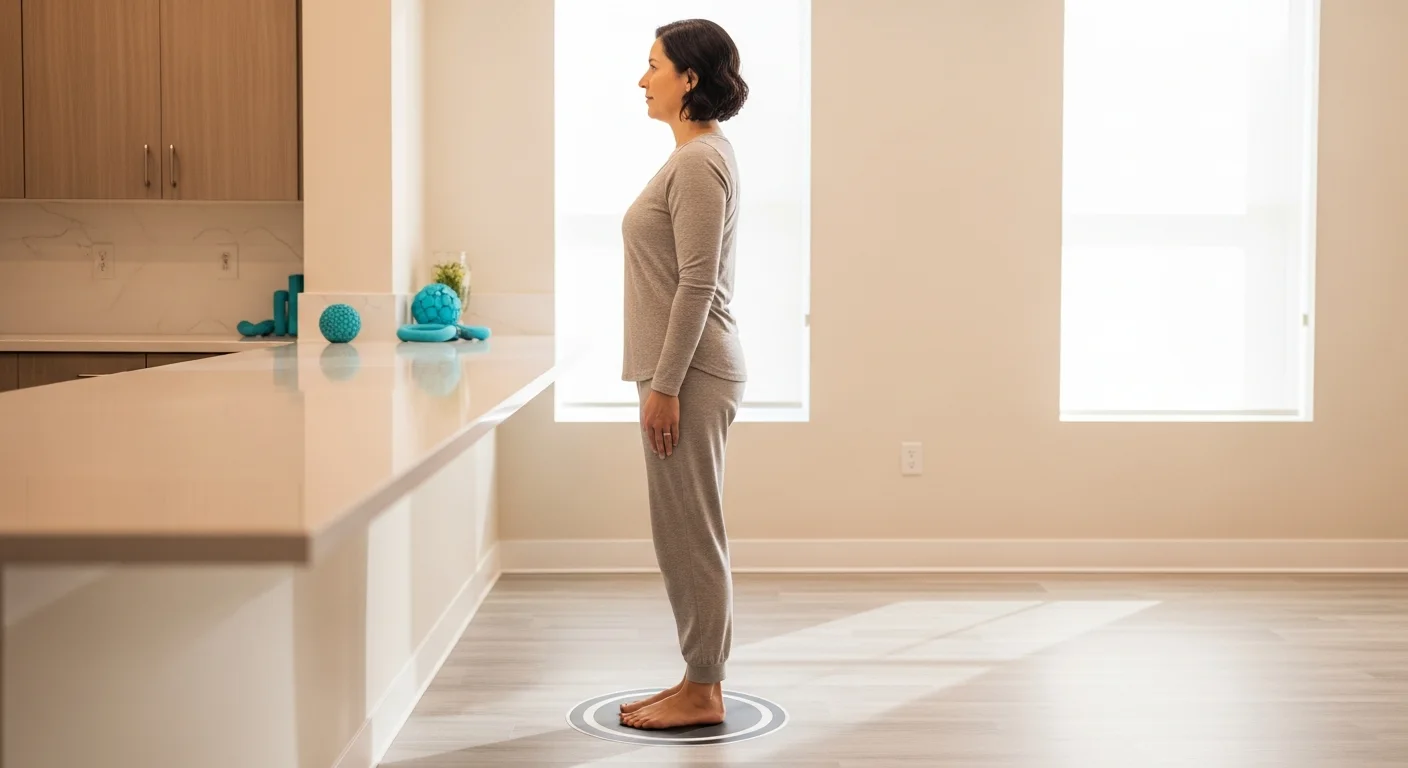
Tandem Stance
Stand with one foot directly in front of the other (heel to toe). Hold for 30 seconds, then switch which foot is in front. Use a wall for support initially.
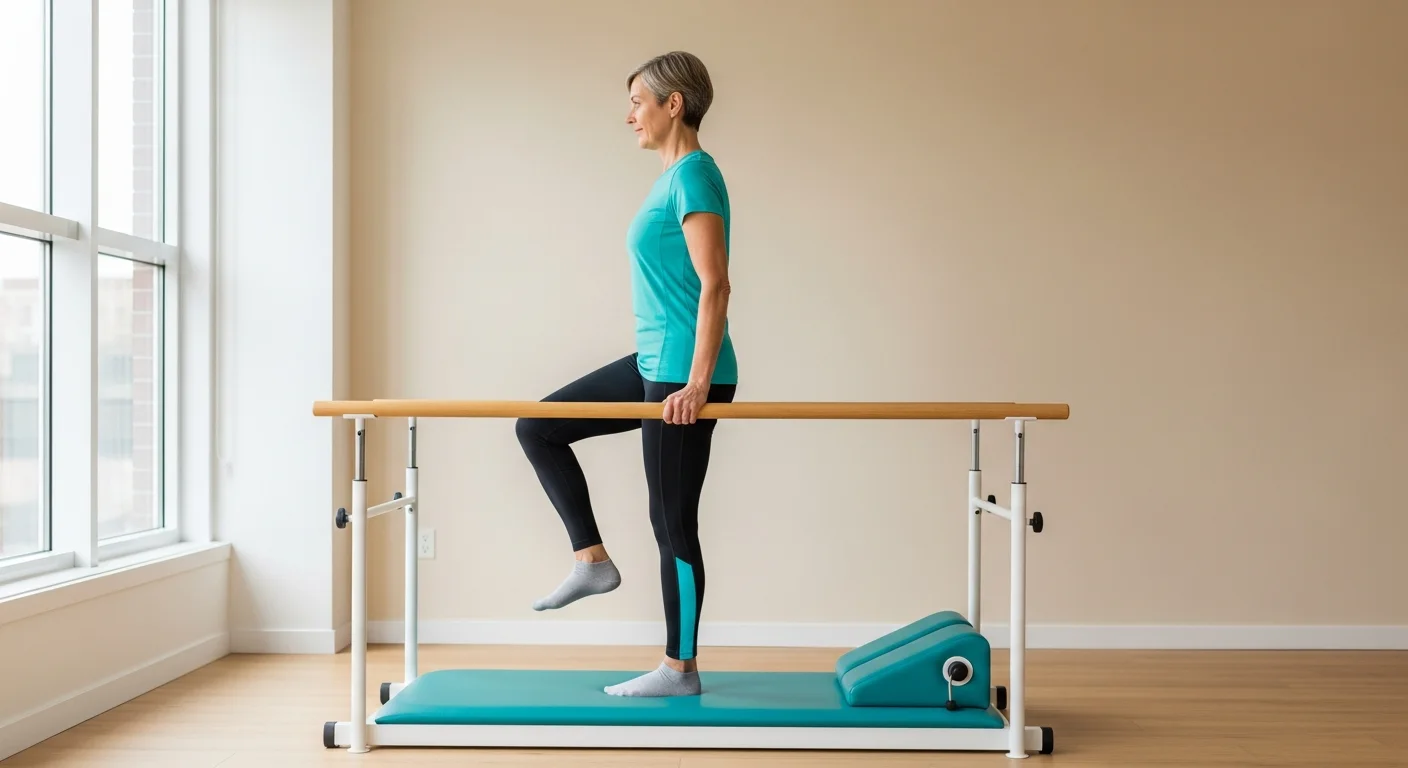
Single Leg Stance
Stand on one leg with the other foot slightly lifted. Work up to 30 seconds each side. Progress by closing eyes or standing on foam.
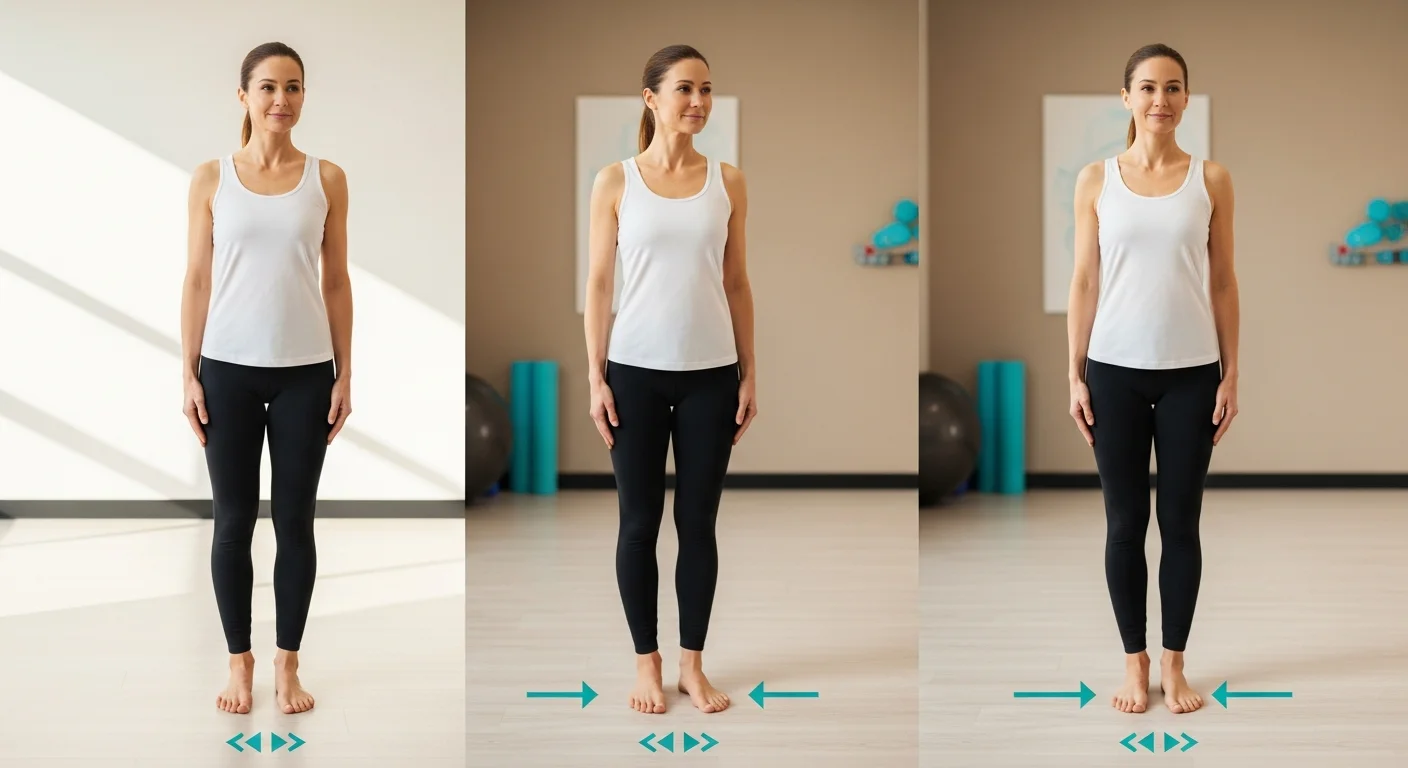
Weight Shifts
Stand with feet hip-width apart. Slowly shift weight side to side, then forward and back. Progress to larger movements and eyes closed.
Expected Recovery Timeline
Week 1: Getting Started
Start with supported exercises near a wall or counter. Focus on feeling confident before removing support. 24-48 hours after successful repositioning.
Weeks 2-4: Building Progress
Progress to unsupported exercises and add challenges like closing eyes or soft surfaces. Most residual unsteadiness resolves.
Months 2-3: Consolidation
Maintain gains with regular balance challenges. Continue exercises to prevent deconditioning if BPPV recurs.
Tips for Success
- Start balance exercises AFTER repositioning treatment, not during active BPPV
- Always have support nearby when starting—safety first
- Challenge yourself but don't risk falling
- Make balance exercises a daily habit even after recovery
- Try incorporating balance into daily activities (standing on one leg while brushing teeth)
When to Seek Help
- If exercises trigger spinning (true vertigo), stop—BPPV may have recurred
- If you're falling frequently despite careful progression
- New symptoms like leg weakness or numbness
- Unsteadiness that worsens rather than improves
Frequently Asked Questions
Why am I unsteady after my BPPV was treated?
Can balance exercises fix BPPV?
How long until I feel stable again after BPPV?
Should I avoid certain movements after BPPV treatment?
Related Exercise Guides
VOR Exercises for BPPV
Gaze stabilization exercises to eliminate residual dizziness after BPPV treatment
Epley & Repositioning for BPPV
The gold-standard treatment for positional vertigo—95% effective
Gaze Stabilization for BPPV
Retrain visual processing to resolve lingering dizziness after crystal repositioning
Start Your Recovery Today
Get personalized balance exercises with video guidance, progress tracking, and daily reminders.