VOR Exercises for BPPV
Gaze stabilization exercises to eliminate residual dizziness after BPPV treatment
Why VOR Exercises Works for BPPV
While canalith repositioning maneuvers (like the Epley) treat the primary cause of BPPV by moving displaced crystals, up to 50% of patients experience residual dizziness even after successful treatment. VOR exercises help recalibrate your brain's balance processing, addressing this lingering unsteadiness that can persist for weeks or months after the crystals are repositioned.
The Science
Research published in the Journal of Vestibular Research shows that adding VOR exercises to BPPV treatment reduces residual dizziness duration by 40-60%. The exercises work by promoting vestibular compensation—your brain's ability to adapt to changes in balance signals through neuroplasticity.
Exercise Protocol
VOR x1 Horizontal
Hold a target at arm's length. Keep your eyes fixed on the target while slowly turning your head left and right. The goal is to keep the target in focus throughout the movement.

VOR x1 Vertical
Same as horizontal, but move your head up and down while keeping eyes locked on the target. Start slowly and gradually increase speed as tolerated.
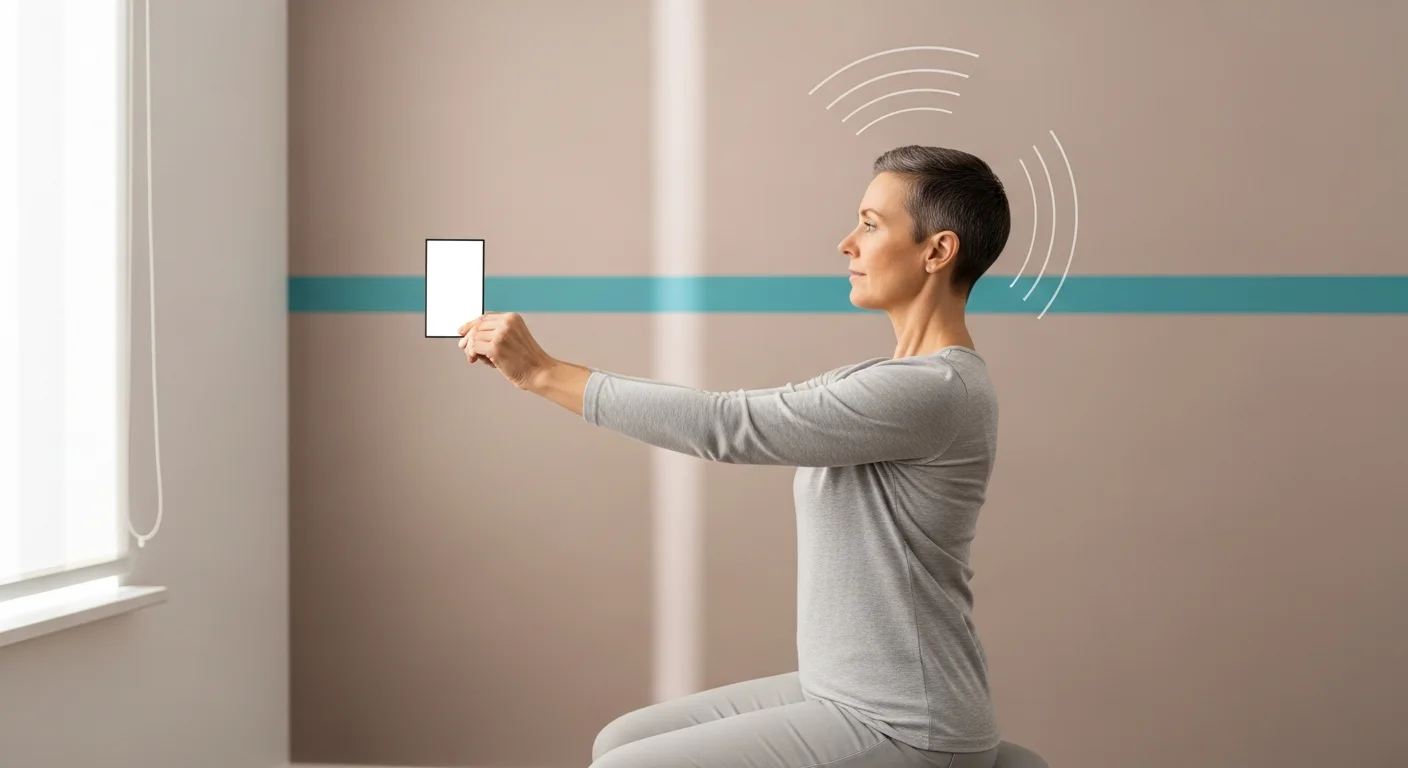
VOR x2 Exercise
Move your head and the target in opposite directions while keeping the target in focus. This more challenging exercise accelerates vestibular adaptation.

Expected Recovery Timeline
Week 1: Getting Started
Start with slow head movements (1-2 per second). Focus on maintaining clear vision. Some dizziness is normal and expected.
Weeks 2-4: Building Progress
Gradually increase speed and add VOR x2 exercises. Most patients notice significant improvement by week 3.
Months 2-3: Consolidation
Continue maintenance exercises 1-2 times daily. Residual symptoms typically resolve completely within 8-12 weeks.
Tips for Success
- Do VOR exercises AFTER canalith repositioning, not as a replacement
- If you experience spinning (true vertigo), stop and consult your provider—BPPV may have recurred
- Perform exercises in good lighting to maximize visual feedback
- Start seated if standing exercises provoke too much dizziness
- Consistency beats intensity—daily practice matters more than long sessions
When to Seek Help
- If you experience sudden, intense spinning that wasn't there before
- New or worsening nausea and vomiting
- If symptoms don't improve after 2 weeks of consistent exercise
- If you develop new symptoms like hearing loss or severe headache
Frequently Asked Questions
Can VOR exercises cure BPPV?
How soon after the Epley maneuver should I start VOR exercises?
Why am I still dizzy after the Epley worked?
How long until VOR exercises help my BPPV-related dizziness?
Related Exercise Guides
Balance Exercises for BPPV
Regain confidence and stability after BPPV treatment
Epley & Repositioning for BPPV
The gold-standard treatment for positional vertigo—95% effective
Gaze Stabilization for BPPV
Retrain visual processing to resolve lingering dizziness after crystal repositioning
Start Your Recovery Today
Get personalized vor exercises with video guidance, progress tracking, and daily reminders.