Gaze Stabilization After BPPV Treatment
Retrain visual processing to resolve lingering dizziness after crystal repositioning
Why Gaze Stabilization Works for BPPV
After successful canalith repositioning (Epley or Semont maneuvers), up to 50% of BPPV patients experience residual symptoms: persistent unsteadiness, visual discomfort, and a vague sense of imbalance. This happens because weeks or months of abnormal vestibular signals altered the brain's visual processing calibration. Gaze stabilization exercises retrain these visual pathways, helping the brain recalibrate eye tracking, focus shifting, and visual-vestibular integration to match the corrected inner ear signals.
The Science
A 2018 study in the European Archives of Oto-Rhino-Laryngology found that adding visual-vestibular exercises to BPPV treatment reduced residual dizziness duration by 50% and improved balance confidence scores significantly. The exercises accelerate central recalibration — the brain's process of updating its internal model of balance to match the corrected vestibular input after crystal repositioning.
Exercise Protocol
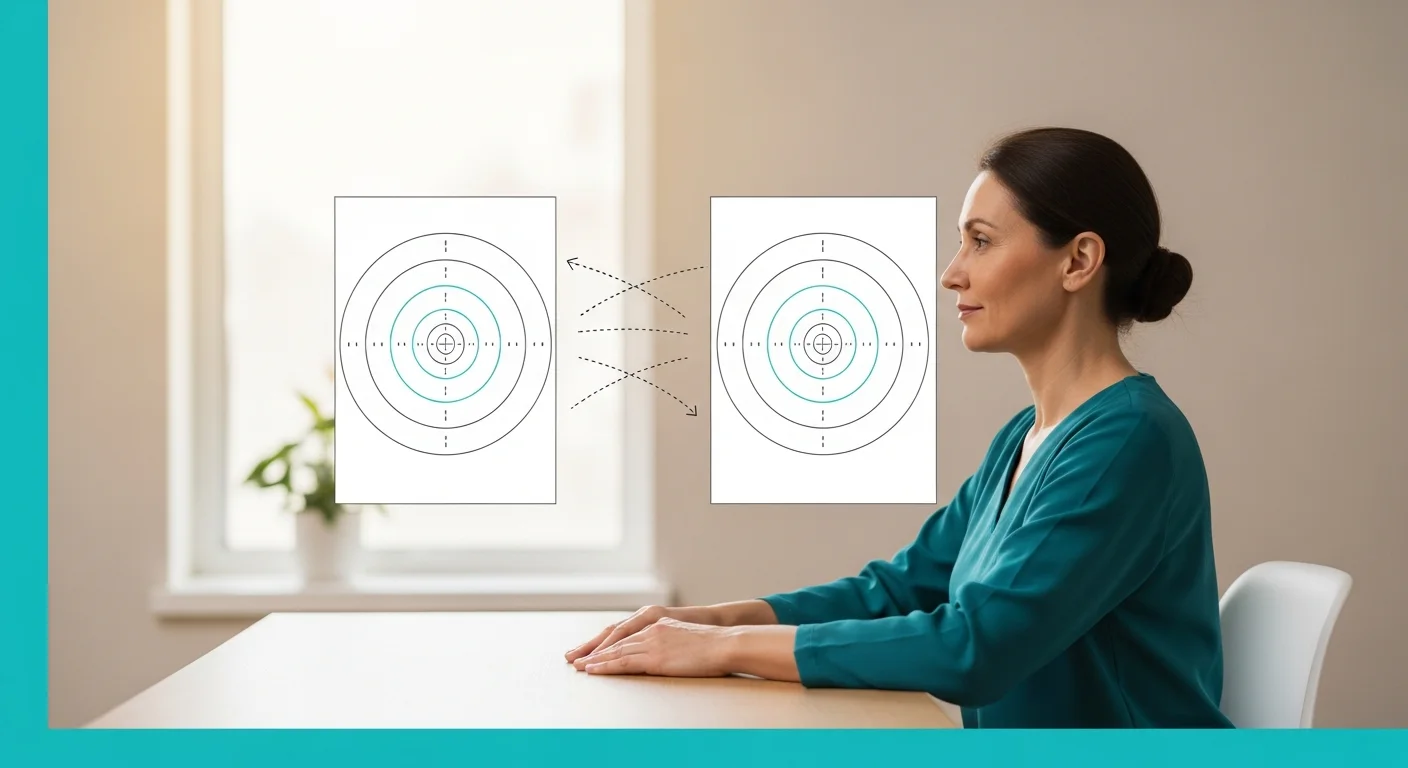
Focus Tracking
Hold a target at arm's length and slowly move it in a horizontal arc while following it smoothly with your eyes (head still). Verify the target stays in focus throughout. Progress to vertical and diagonal arcs. This retrains the smooth pursuit system that was disrupted by prolonged abnormal vestibular input during the BPPV episode.

Saccade Practice
Place two targets at arm's length, about 30 cm apart. Rapidly shift your gaze between them without moving your head. Each fixation should be sharp and stable. Practice horizontal, vertical, and diagonal target arrangements. Saccade accuracy often suffers after prolonged BPPV and benefits from targeted retraining.
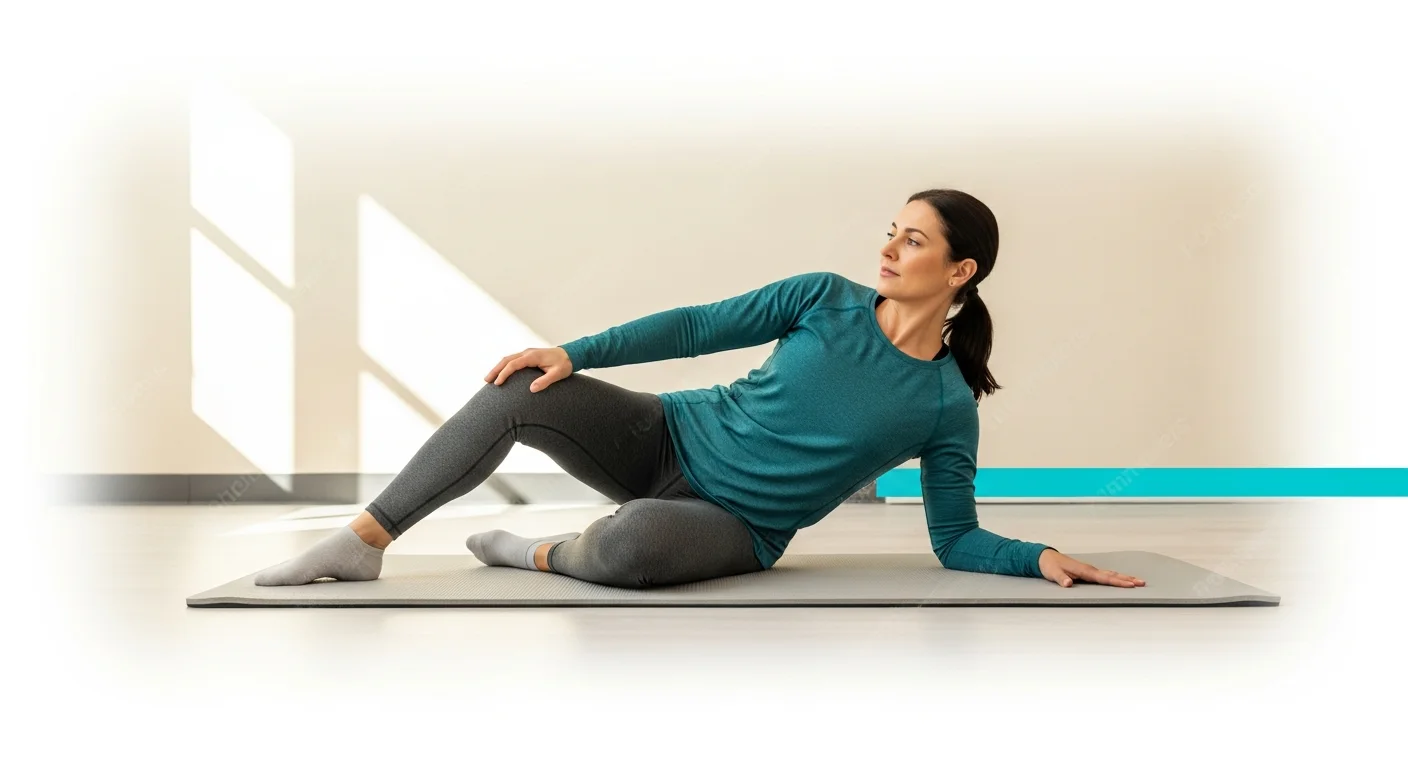
Visual Fixation During Position Changes
Fix your gaze on a target at eye level. Slowly transition from sitting to standing while keeping the target in clear focus. Then reverse the movement. Progress to holding gaze during bending to pick up an object. This exercise specifically addresses the positional sensitivity common in post-BPPV residual symptoms.
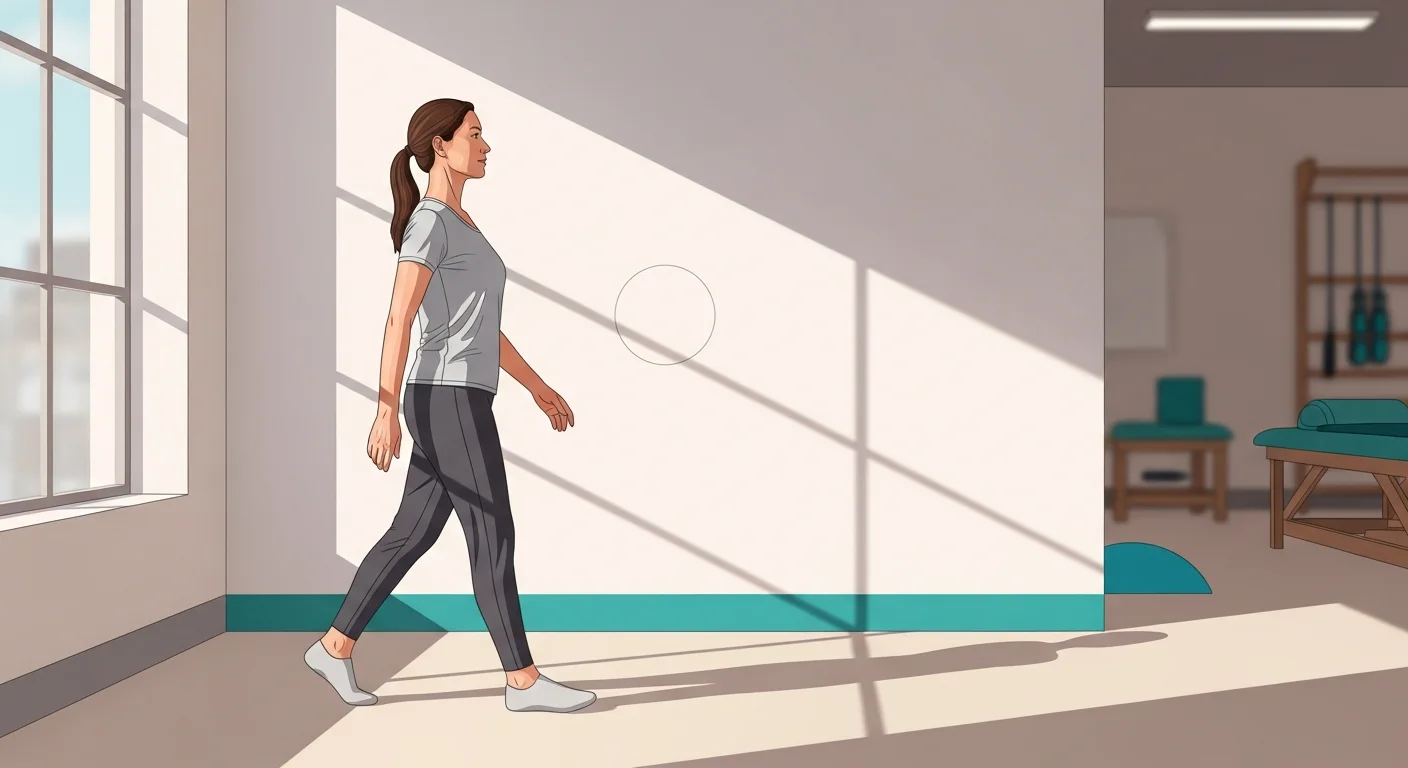
Dynamic Gaze During Walking
Walk slowly along a hallway while keeping your gaze fixed on a target at the far end. Maintain sharp focus throughout. Progress to turning your head gently left and right while walking and keeping the target clear. This functional exercise reintegrates gaze stability with locomotion and prepares you for everyday activities.
Expected Recovery Timeline
Week 1: Getting Started
Begin gaze exercises 24-48 hours after successful canalith repositioning. Start with focus tracking and saccade practice while seated. Expect mild unsteadiness — this is normal residual symptoms, not BPPV recurrence.
Weeks 2-4: Building Progress
Add visual fixation during position changes. Progress to standing exercises. Most patients notice significant reduction in residual dizziness by weeks 2-3. If true spinning returns, consult your provider for reassessment.
Months 2-3: Consolidation
Introduce dynamic gaze during walking. Residual symptoms typically resolve completely within 4-8 weeks. Continue light maintenance exercises to support long-term vestibular calibration.
Tips for Success
- Start gaze exercises only after successful repositioning — these exercises treat residual symptoms, not BPPV itself
- If you experience true spinning (room rotates around you), stop and consult your provider — BPPV may have recurred
- Perform exercises in a well-lit room with a clear, high-contrast target
- Seated exercises are perfectly effective — do not rush to standing if it provokes significant symptoms
- Residual dizziness is normal and does not mean the Epley failed — your brain just needs time to recalibrate
When to Seek Help
- Return of intense spinning triggered by specific head positions may indicate BPPV recurrence — seek reassessment
- New symptoms such as hearing loss, tinnitus, or ear fullness that were not present before
- Residual symptoms that worsen rather than gradually improve over 2-3 weeks
- Persistent nausea or vomiting during simple gaze exercises (should not occur with this type of exercise)
Frequently Asked Questions
Why am I still dizzy after the Epley maneuver worked?
Are gaze exercises different from VOR exercises for BPPV?
How do I know if my dizziness is residual or a BPPV recurrence?
How long do residual symptoms last after BPPV treatment?
Related Exercise Guides
VOR Exercises for BPPV
Gaze stabilization exercises to eliminate residual dizziness after BPPV treatment
Balance Exercises for BPPV
Regain confidence and stability after BPPV treatment
Epley & Repositioning for BPPV
The gold-standard treatment for positional vertigo—95% effective
Start Your Recovery Today
Get personalized gaze stabilization with video guidance, progress tracking, and daily reminders.