VOR Exercises for Vestibular Migraine
Managing migraine-related dizziness with targeted gaze stabilization
Why VOR Exercises Works for Vestibular Migraine
Vestibular migraine creates heightened sensitivity in the brain's balance processing centers. VOR exercises help desensitize these pathways and improve your brain's ability to handle motion and visual input. While they don't prevent migraine attacks, they can significantly reduce baseline dizziness and motion sensitivity between episodes.
The Science
Studies show that vestibular rehabilitation reduces dizziness handicap scores by 40-60% in vestibular migraine patients. A 2019 study found that combining VOR exercises with lifestyle modifications and medication produced better outcomes than any single treatment alone.
Exercise Protocol
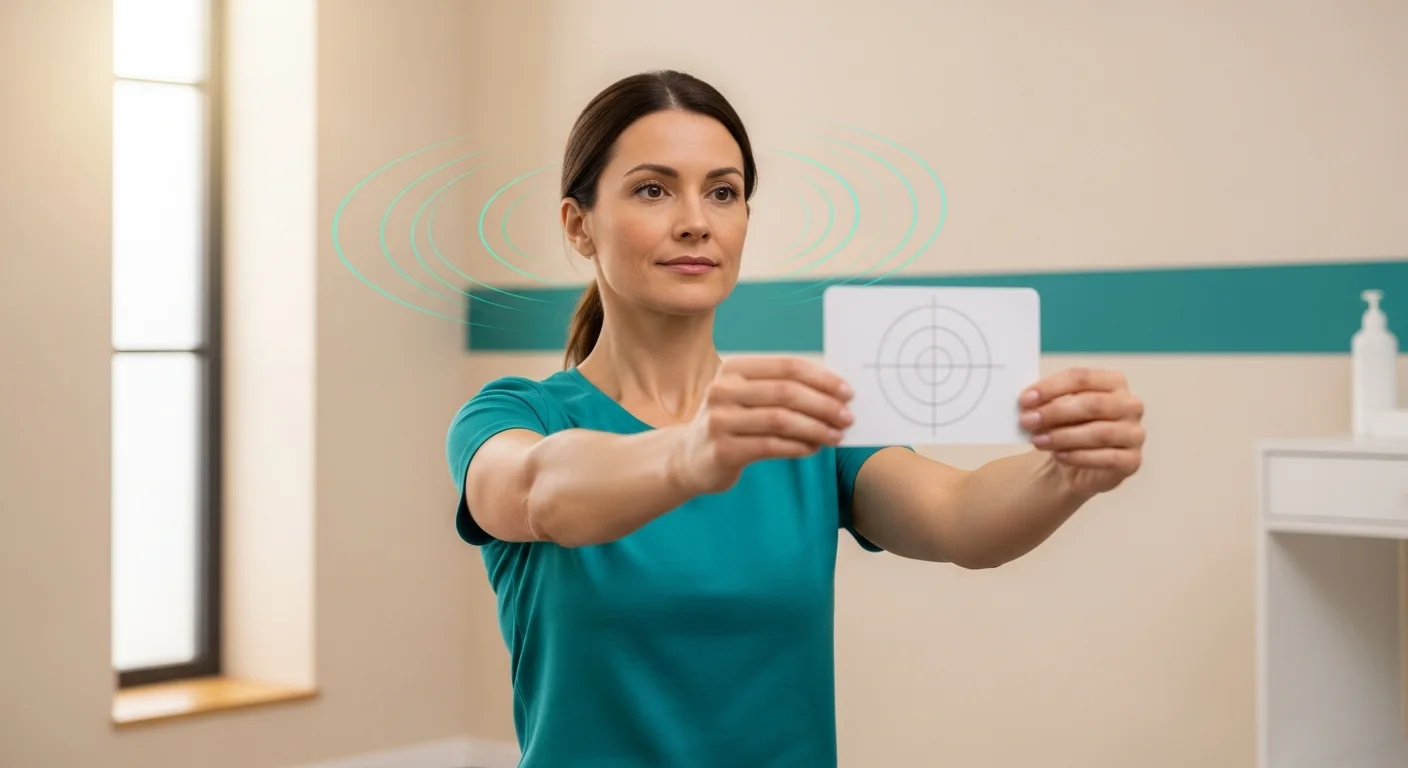
Gentle VOR x1
Use a calming target (single letter on plain background). Move head slowly—migraine brains are easily overwhelmed. Focus on smoothness over speed.
VOR in Low Light
Perform VOR exercises in dimmed lighting if light sensitivity is a trigger. Use a backlit phone screen on low brightness as your target.
Gradual Visual Complexity
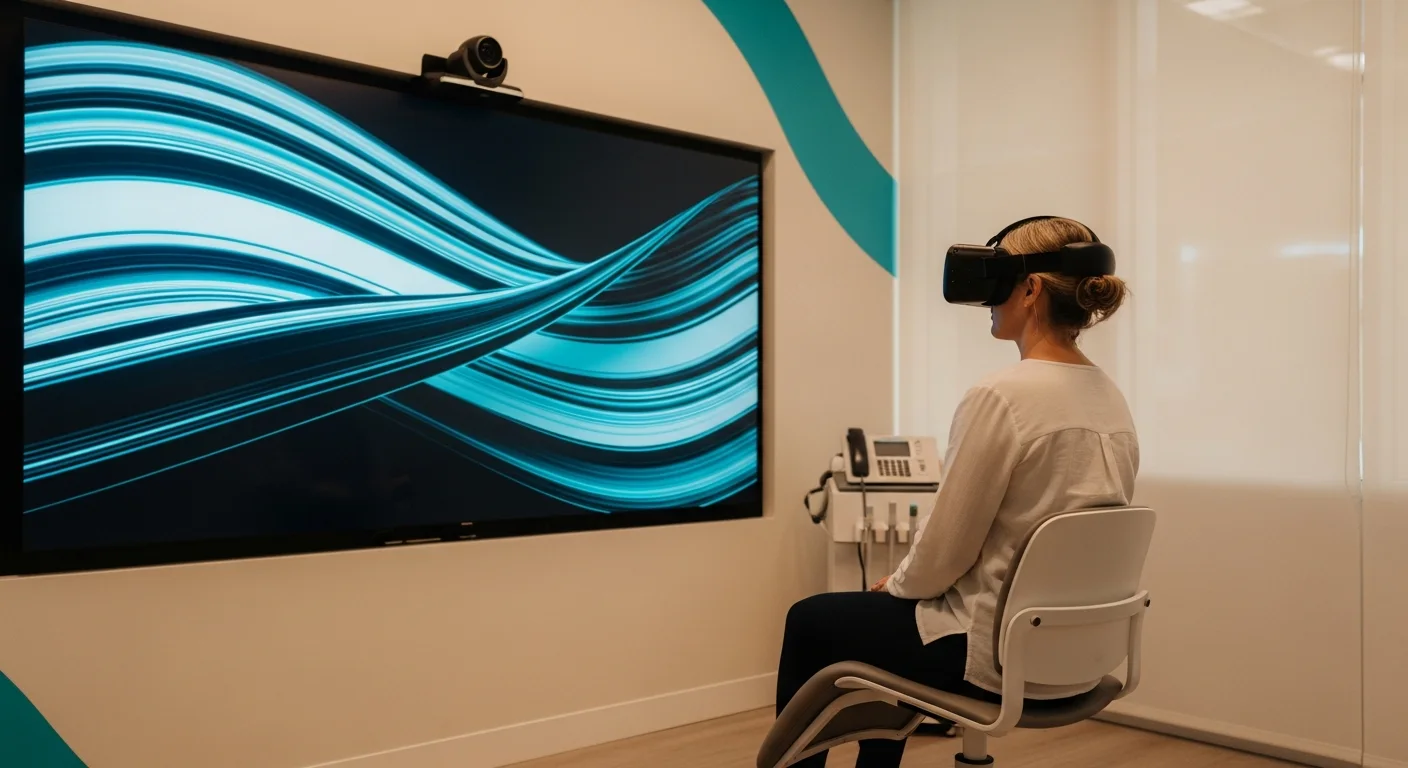
Very slowly add visual complexity over weeks. Progress from plain walls to patterned backgrounds as tolerance improves.
Expected Recovery Timeline
Week 1: Getting Started
Start very gently—vestibular migraine brains are highly sensitive. If exercises trigger a migraine, reduce intensity significantly. Some patients start with just 15-30 seconds.
Weeks 2-4: Building Progress
Gradually increase duration and add gentle complexity. Monitor for patterns—some patients do better at certain times of day or cycle phases.
Months 2-3: Consolidation
Consistent practice leads to cumulative improvement. Many patients report 50%+ reduction in baseline symptoms and improved tolerance to triggers.
Tips for Success
- Never do VOR exercises during or immediately after a migraine attack
- Keep a diary to identify optimal timing for exercises
- Combine with migraine lifestyle management (sleep, hydration, triggers)
- Progress extremely slowly—weeks not days
- Stop if you feel a migraine coming on
When to Seek Help
- If exercises consistently trigger migraines despite gentle approach
- New or different types of headaches
- Visual disturbances that persist after exercise
- Symptoms that don't follow your usual migraine pattern
Frequently Asked Questions
Will VOR exercises prevent vestibular migraine attacks?
Can VOR exercises trigger a migraine?
How is vestibular migraine different from regular vestibular problems?
Should I see a vestibular therapist or neurologist for vestibular migraine?
Related Exercise Guides
Balance Exercises for Vestibular Migraine
Improve stability and reduce vulnerability between migraine attacks
Habituation for Vestibular Migraine
Desensitize your brain to motion and visual triggers between migraine attacks
Gaze Stabilization for Vestibular Migraine
Gentle eye-tracking exercises to reduce visual vertigo and motion sensitivity between attacks
Start Your Recovery Today
Get personalized vor exercises with video guidance, progress tracking, and daily reminders.