Gaze Stabilization for Vestibular Migraine
Gentle eye-tracking exercises to reduce visual vertigo and motion sensitivity between attacks
Why Gaze Stabilization Works for Vestibular Migraine
Vestibular migraine heightens the brain's sensitivity to visual motion, making scrolling screens, busy environments, and fluorescent lighting trigger dizziness and disorientation. Gaze stabilization exercises performed between attacks gradually desensitize the visual processing pathways, raising the threshold at which visual stimuli provoke symptoms. By training the eyes to track smoothly and accurately despite an oversensitive system, patients build resilience against visual vertigo triggers over time.
The Science
Studies in the Journal of Neurology show that vestibular rehabilitation including gaze exercises reduces dizziness handicap scores by 30-40% in vestibular migraine patients. Research suggests that graded visual-vestibular training modulates central sensory processing, reducing the brain's overreaction to visual motion. While medication remains the primary treatment for attack prevention, gaze exercises address the persistent visual sensitivity that often continues between episodes.
Exercise Protocol
Gentle Smooth Pursuits
Move a target very slowly in a horizontal arc at arm's length. Follow with your eyes only, keeping your head still. Use a plain background and dim lighting initially. The pace should be slower than standard smooth pursuits — comfort is the priority. Progress to vertical and diagonal tracking as tolerance builds.
Controlled Saccades
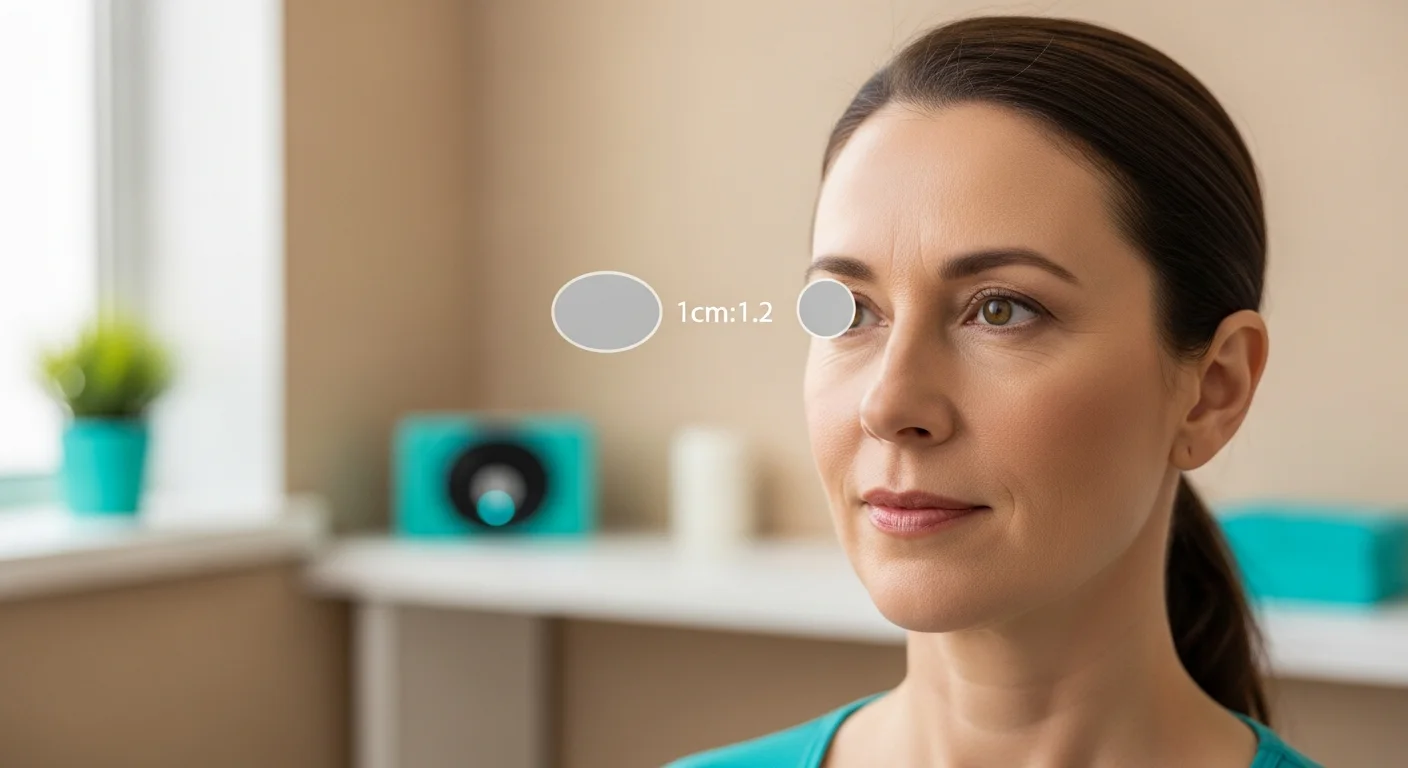
Place two high-contrast targets about 20 cm apart at arm's length. Shift your gaze between them at a comfortable pace — not as fast as possible. Ensure each fixation is stable and clear before switching. Practice in a visually calm setting. This rebuilds saccadic accuracy without overwhelming the visual system.
Visual Fixation During Slow Head Movement
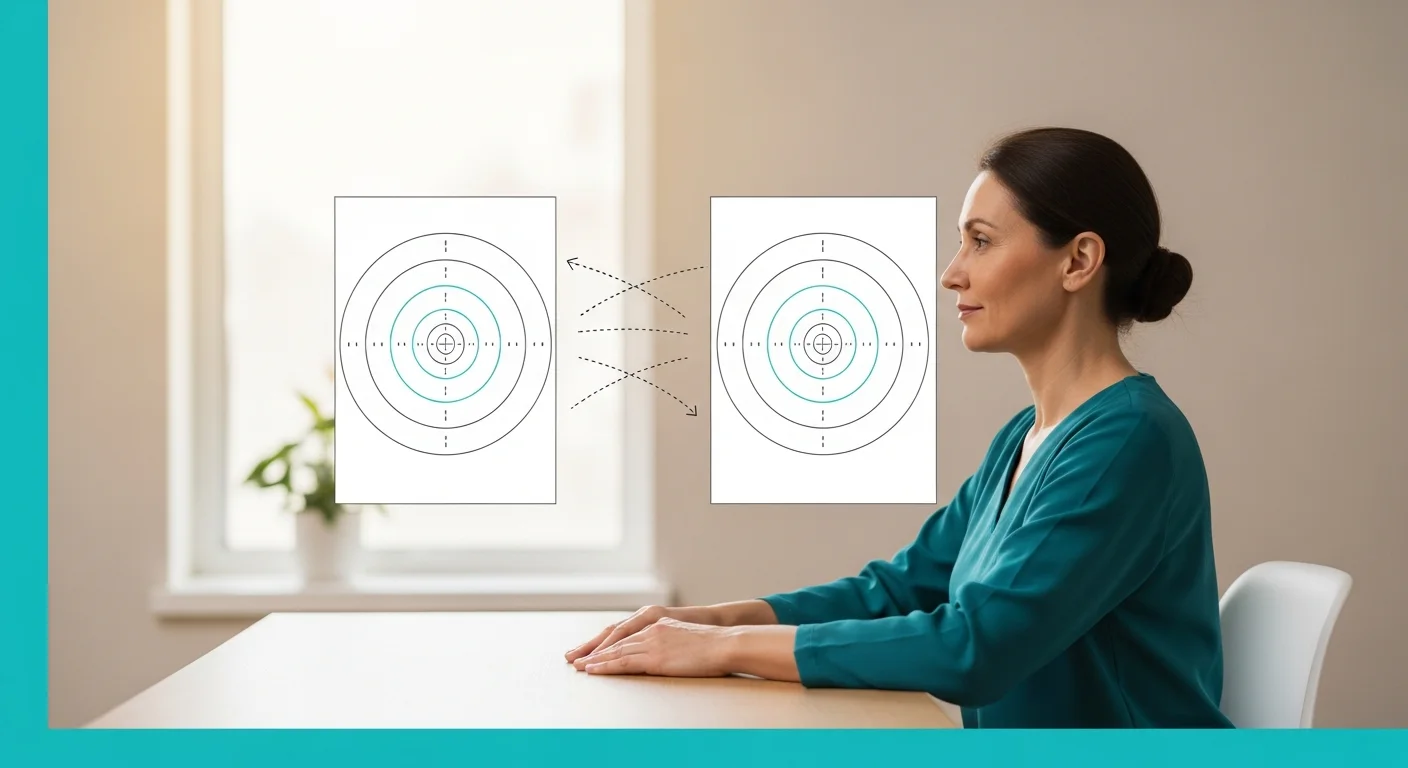
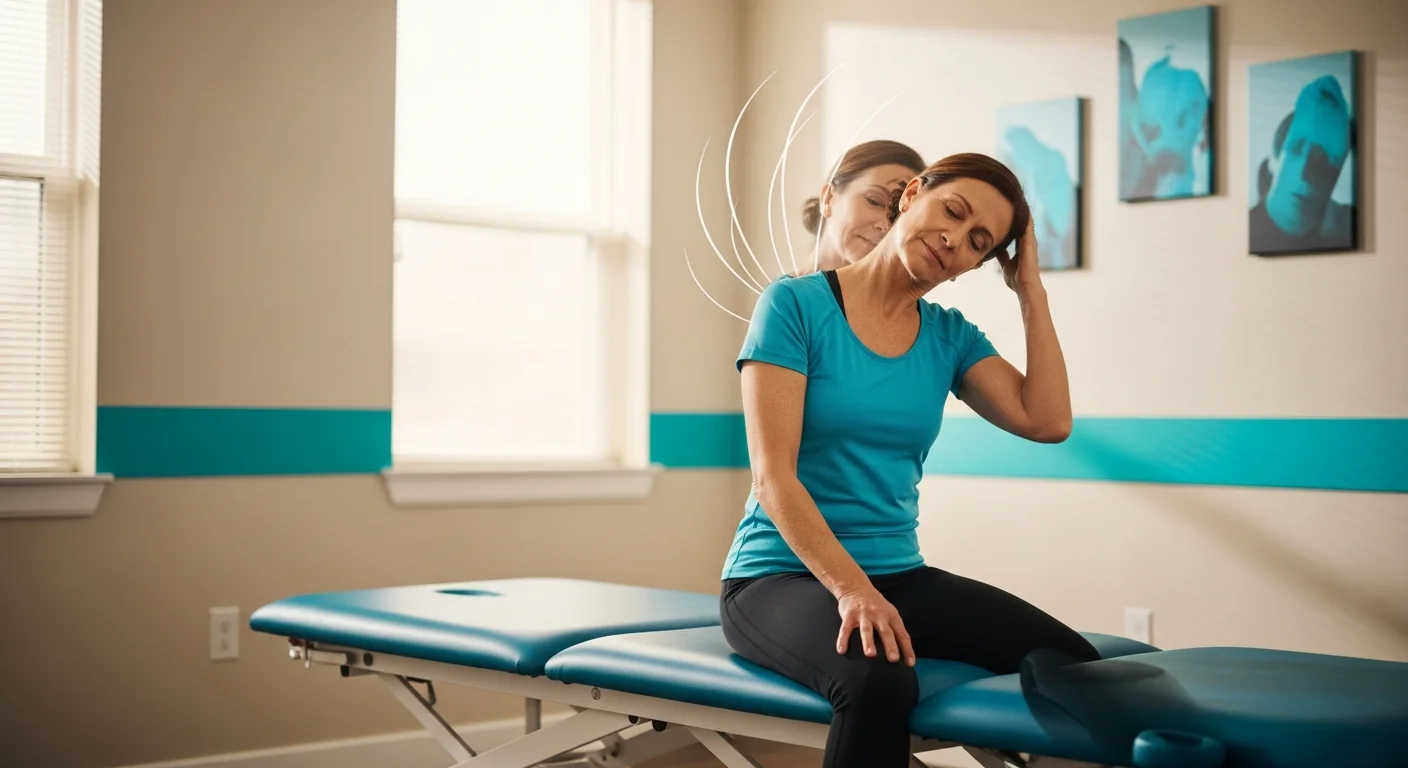
Fix your gaze on a stationary target and turn your head very slowly to one side (about 20 degrees). Keep the target in sharp focus throughout. Return to center and repeat to the other side. The head speed should be much slower than in standard VOR exercises. Progress to larger angles and slightly faster speeds as symptoms allow.
Reading While Moving
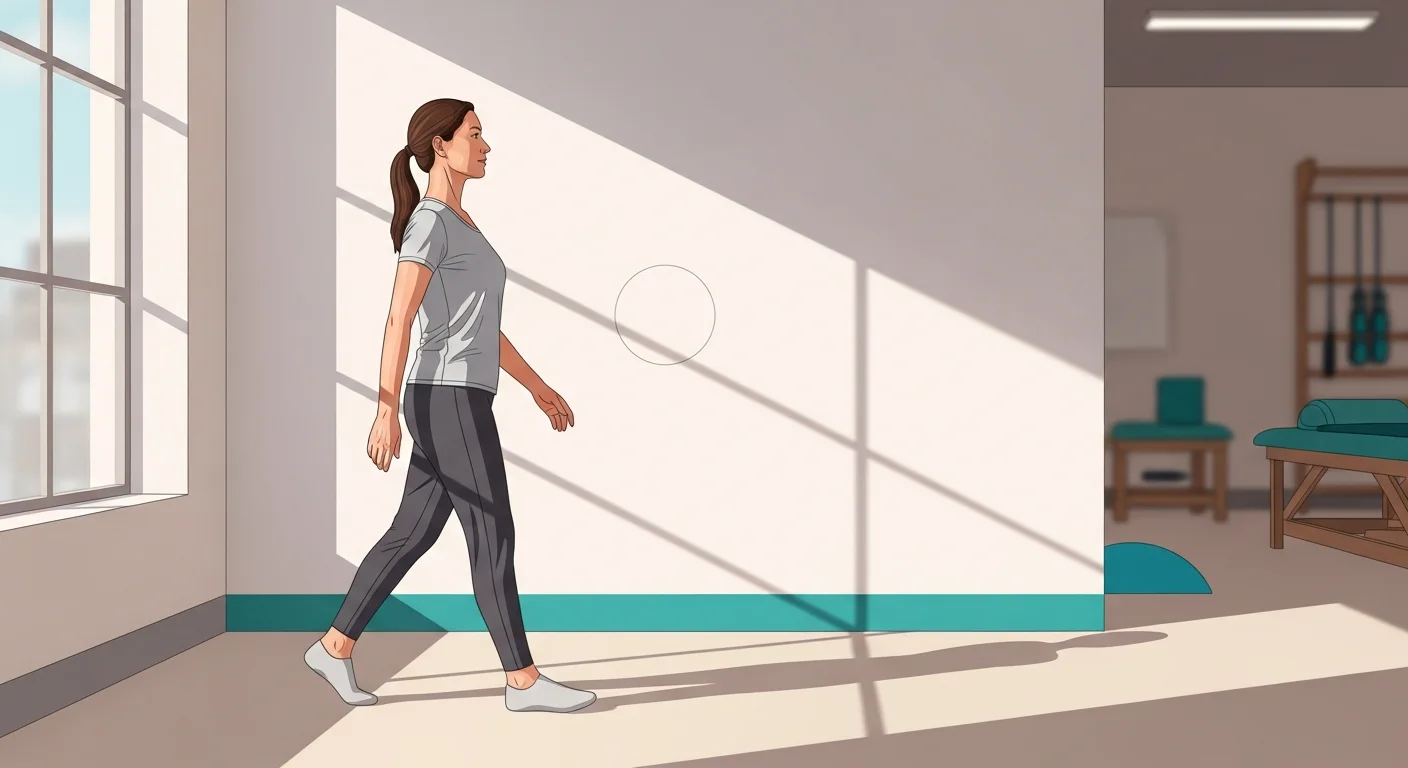
Hold a page of text at reading distance and slowly walk in a straight line while reading. Start with large print and a short walking distance. The goal is to maintain reading comprehension while your body moves. Progress to normal print, longer distances, and gentle turns. This functional exercise builds real-world tolerance for visual-vestibular challenges.
Expected Recovery Timeline
Week 1: Getting Started
Start with gentle smooth pursuits and controlled saccades in a dim, quiet room. Sessions should be very short (under 1 minute). Stop immediately if you feel a migraine aura or headache building. The goal is sub-threshold stimulation.
Weeks 2-4: Building Progress
Gradually add visual fixation during slow head movement. Increase session length to 2-3 minutes if tolerated. Begin practicing in normal lighting. Most patients notice reduced daily visual sensitivity by week 3-4.
Months 2-3: Consolidation
Introduce reading while moving and more challenging visual environments. Continue at a pace that stays below your symptom threshold. Improvement is gradual but cumulative — visual triggers that once provoked episodes become more tolerable.
Tips for Success
- Only perform gaze exercises between migraine attacks, never during an episode or prodrome
- Start in dim lighting with minimal visual clutter — vestibular migraine brains are easily overwhelmed
- Keep exercise intensity well below your symptom threshold; mild discomfort is acceptable but headache is not
- Pair gaze exercises with your prescribed migraine medication plan for best results
- Avoid screens and fluorescent lighting for at least 30 minutes after exercises to prevent trigger accumulation
When to Seek Help
- Stop exercises immediately if you feel a migraine aura or headache beginning
- Increasing frequency of migraine attacks after starting exercises may indicate the intensity is too high
- Persistent visual disturbances (flashing lights, blind spots) unrelated to your usual aura pattern
- New or unusual headache patterns that differ from your typical vestibular migraine
Frequently Asked Questions
Can gaze exercises trigger a vestibular migraine attack?
Should I do gaze exercises during a vestibular migraine episode?
How effective are gaze exercises compared to medication for vestibular migraine?
Why am I so sensitive to visual motion with vestibular migraine?
Related Exercise Guides
VOR Exercises for Vestibular Migraine
Managing migraine-related dizziness with targeted gaze stabilization
Balance Exercises for Vestibular Migraine
Improve stability and reduce vulnerability between migraine attacks
Habituation for Vestibular Migraine
Desensitize your brain to motion and visual triggers between migraine attacks
Start Your Recovery Today
Get personalized gaze stabilization with video guidance, progress tracking, and daily reminders.