Balance Exercises for Vestibular Migraine
Improve stability and reduce vulnerability between migraine attacks
Why Balance Exercises Works for Vestibular Migraine
Vestibular migraine disrupts balance processing even between attacks. The brain's ability to integrate vestibular, visual, and proprioceptive signals becomes unreliable, leaving you feeling unsteady on an ongoing basis. Balance exercises retrain these sensory integration pathways, building a stronger baseline so that when an attack does occur, your recovery is faster and the inter-attack unsteadiness is minimized.
The Science
Studies in the Journal of Neurology demonstrate that vestibular rehabilitation, including balance training, significantly reduces dizziness handicap scores in vestibular migraine patients. Research shows that consistent balance exercises can reduce inter-attack unsteadiness by up to 60% and may lower attack frequency by improving overall vestibular compensation.
Exercise Protocol
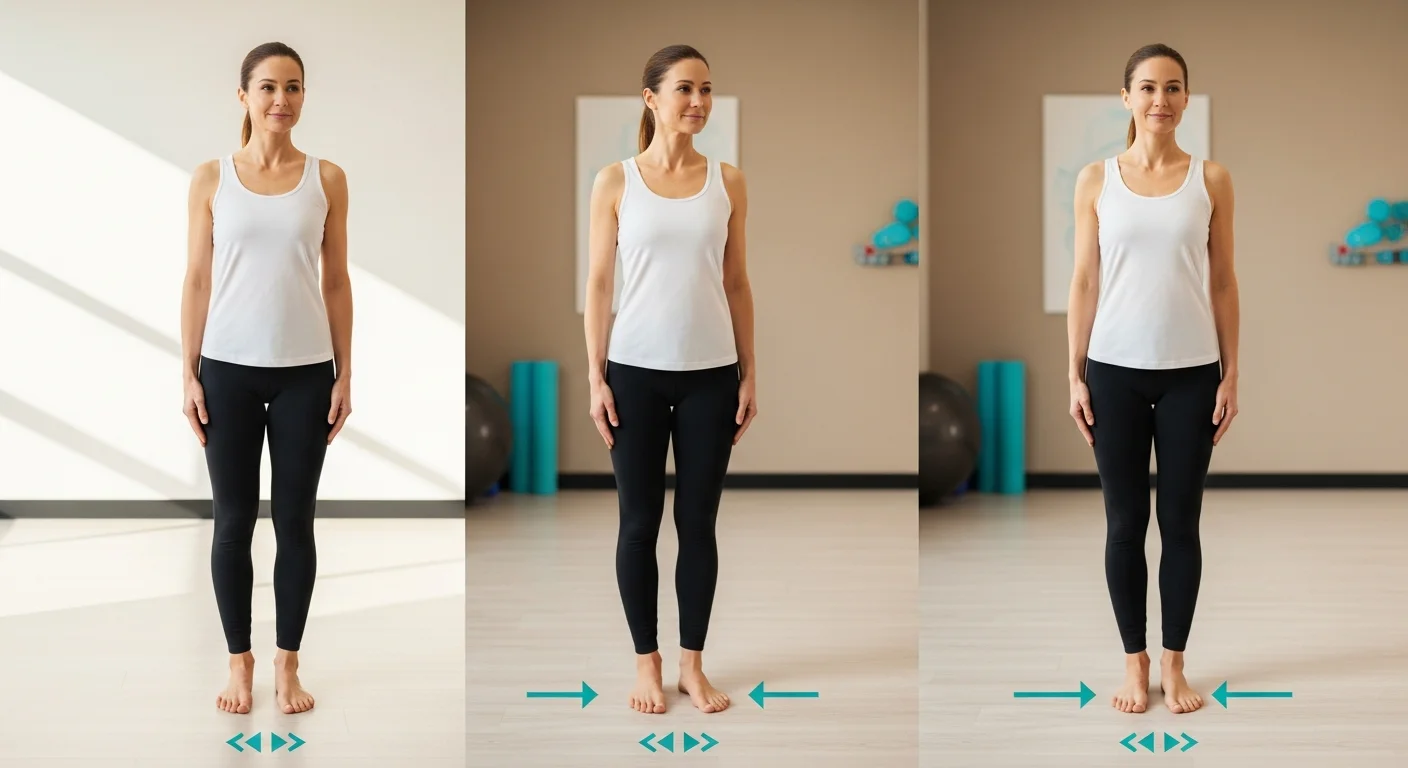
Weight Shifts
Stand with feet hip-width apart. Slowly shift your weight side to side, then forward and back. Focus on feeling the weight transfer through your feet. Keep movements controlled and rhythmic.
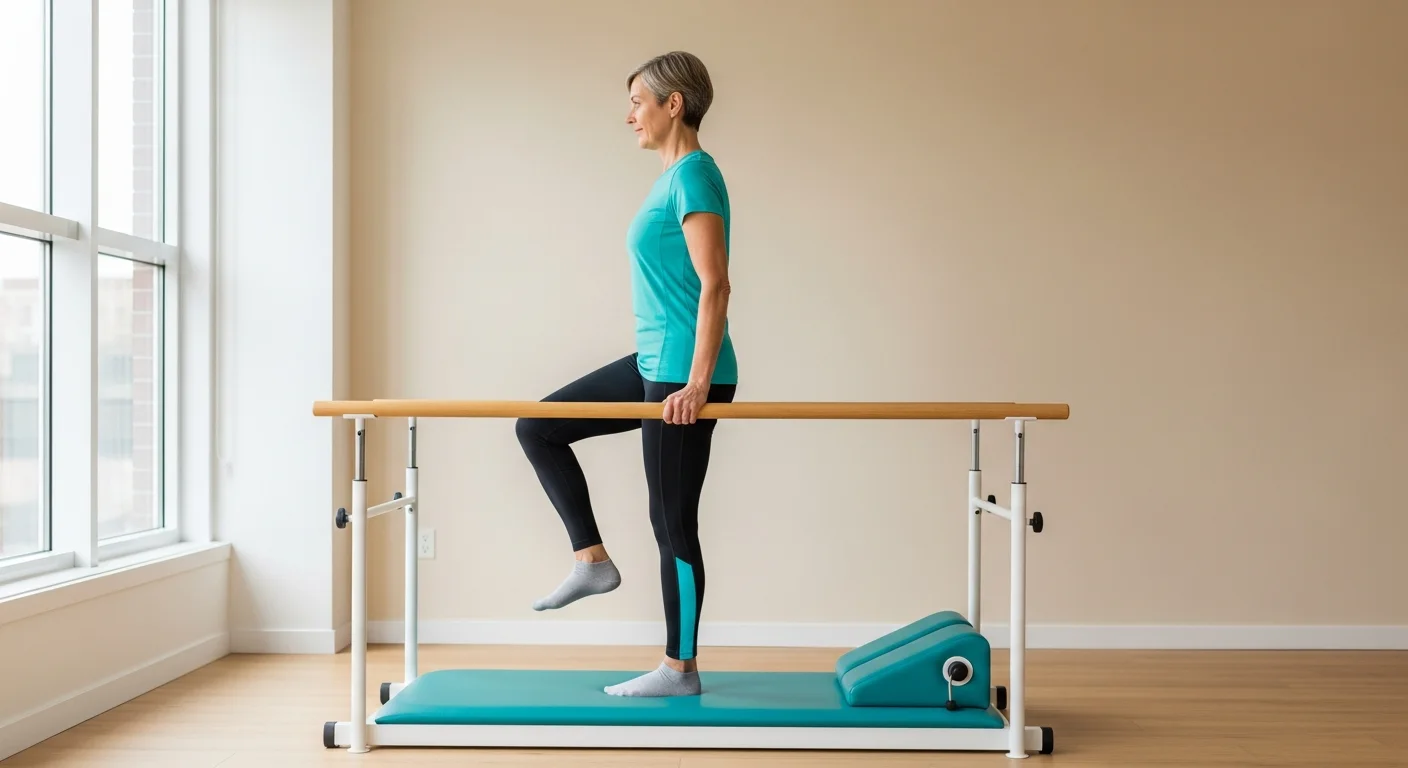
Single Leg Stance
Stand on one leg with the other foot lifted a few inches off the floor. Hold a wall for support initially, then progress to unsupported. Work up to 30 seconds per side. Keep your gaze fixed on a stationary point.
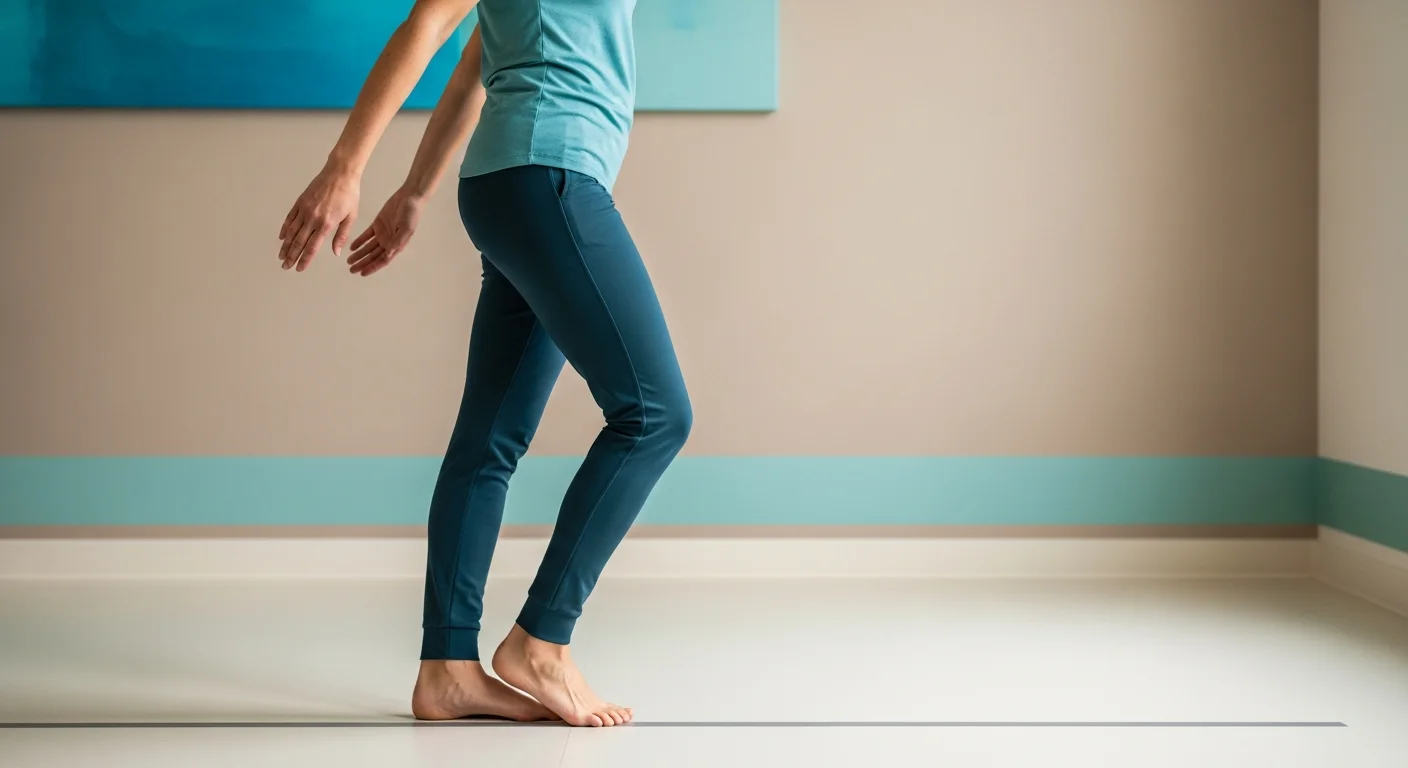
Tandem Walking
Walk heel-to-toe in a straight line along a hallway. Take 20 steps, turn around, and return. Progress from eyes open to briefly glancing side to side while walking. Stay near a wall for safety.
Dynamic Balance with Head Turns
While standing on one leg or in tandem stance, slowly turn your head left and right. This challenges the vestibular system directly. Start with small, slow movements and increase range as tolerated. Stop if it triggers migraine symptoms.
Expected Recovery Timeline
Week 1: Getting Started
Begin with gentle weight shifts and supported single leg stance during a symptom-free period. Keep sessions short (5-10 minutes) and stop if migraine symptoms are triggered. Avoid exercises during or immediately after an attack.
Weeks 2-4: Building Progress
Progress to unsupported exercises and add tandem walking. Gradually extend session duration to 15-20 minutes. Many patients notice improved inter-attack stability by week 3.
Months 2-3: Consolidation
Introduce dynamic balance with head turns. Maintain daily practice as ongoing management. Balance improvements help reduce the overall impact of vestibular migraine on daily life.
Tips for Success
- Exercise during symptom-free intervals, not during or immediately after an attack
- Keep lighting moderate and avoid visually busy environments during exercises
- Start each session gently and build intensity gradually within the session
- Track your migraine triggers and schedule exercises during your most stable times of day
- Consistency matters more than intensity—short daily sessions outperform occasional long ones
When to Seek Help
- If exercises consistently trigger migraine attacks, reduce intensity and consult your provider
- New or different types of dizziness that don't match your usual pattern
- Worsening headache during or after balance exercises
- Visual disturbances or aura symptoms triggered by exercise
Frequently Asked Questions
Can balance exercises prevent vestibular migraine attacks?
Should I exercise during a vestibular migraine attack?
Why is my balance bad even between migraine attacks?
How long before balance exercises help with vestibular migraine?
Related Exercise Guides
VOR Exercises for Vestibular Migraine
Managing migraine-related dizziness with targeted gaze stabilization
Habituation for Vestibular Migraine
Desensitize your brain to motion and visual triggers between migraine attacks
Gaze Stabilization for Vestibular Migraine
Gentle eye-tracking exercises to reduce visual vertigo and motion sensitivity between attacks
Start Your Recovery Today
Get personalized balance exercises with video guidance, progress tracking, and daily reminders.