VOR Exercises for Vestibular Neuritis
The essential exercises that speed recovery from vestibular nerve inflammation
Why VOR Exercises Works for Vestibular Neuritis
Vestibular neuritis damages the vestibular nerve, disrupting signals between your inner ear and brain. While the nerve may partially recover, your brain must learn to compensate for any permanent changes. VOR exercises are the gold standard for driving this compensation—they force your brain to recalibrate how it processes balance and vision signals, leading to faster and more complete recovery.
The Science
A landmark Cochrane review found that vestibular rehabilitation (primarily VOR exercises) is safe, effective, and significantly improves outcomes for vestibular neuritis. Patients who start exercises within the first week recover 30-50% faster than those who rely on rest alone. The exercises work by promoting central vestibular compensation through neuroplasticity.
Exercise Protocol
VOR x1 Horizontal
Focus on a stationary target while turning your head left and right. Keep the target clear throughout. Start at 1 Hz (1 turn per second) and progress to 2 Hz.

VOR x1 Vertical
Same exercise with up-and-down head movements. Essential for activities like walking on uneven surfaces and looking at shelves.
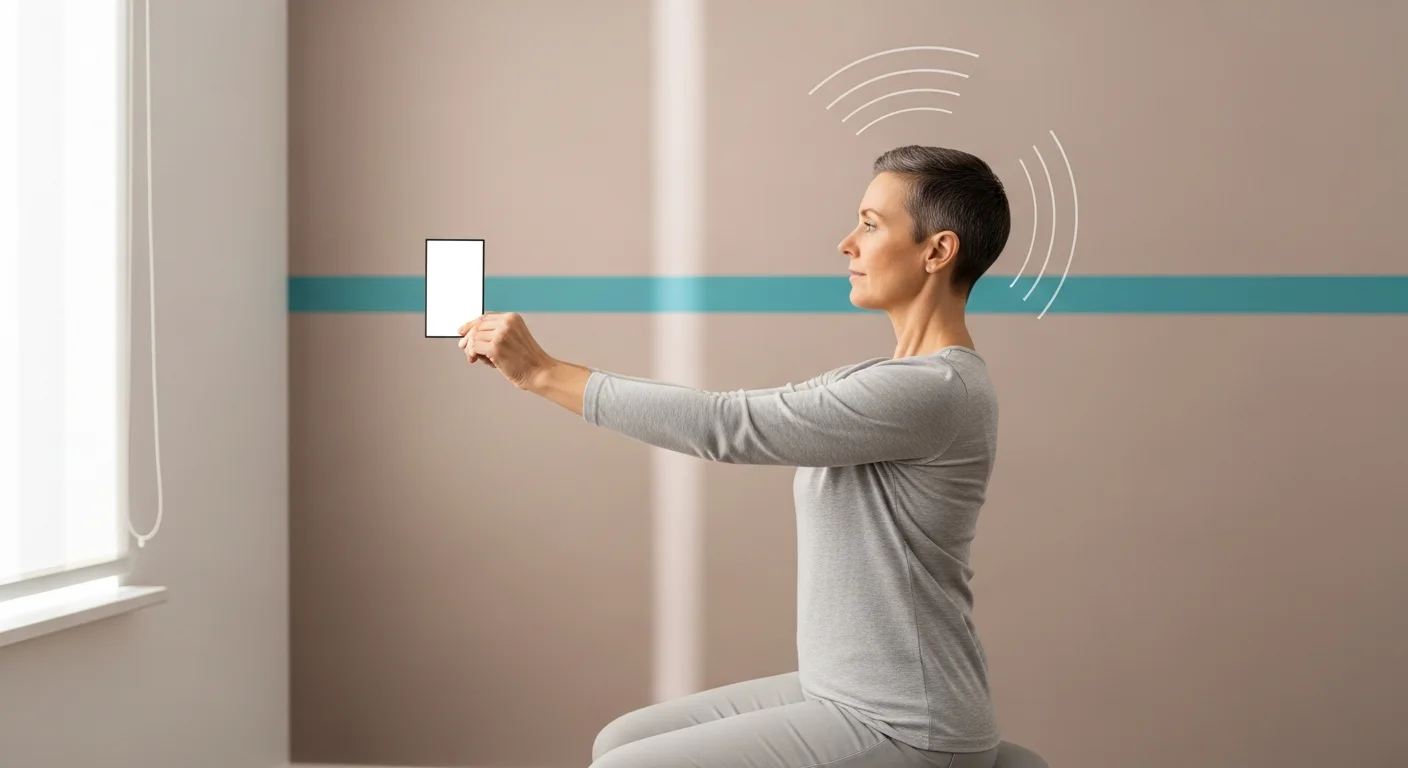
VOR x1 Diagonal
Advance to diagonal head movements once horizontal and vertical are comfortable. This prepares you for complex real-world movements.
VOR x2 Exercise
Move head and target in opposite directions while maintaining focus. This advanced exercise significantly accelerates vestibular compensation.

Expected Recovery Timeline
Week 1: Getting Started
Start within days of symptom onset (after acute phase). Begin with slow movements while seated. Expect temporary symptom increase—this is normal and means the exercises are working.
Weeks 2-4: Building Progress
Progress to faster movements and standing exercises. Add VOR x2 and diagonal movements. Most patients see dramatic improvement by week 3-4.
Months 2-3: Consolidation
Continue daily exercises even as symptoms improve. Full compensation typically takes 6-12 weeks. Maintenance exercises help prevent decompensation.
Tips for Success
- Start exercises as soon as the acute spinning phase passes (usually 2-3 days)
- Feeling dizzy during exercises means they're working—push through mild symptoms
- Use a busy visual background to increase exercise difficulty over time
- Practice in different positions: sitting → standing → walking
- Don't compensate by moving your eyes instead of your head
When to Seek Help
- If symptoms suddenly worsen instead of gradually improving
- If you develop new symptoms like hearing loss or facial weakness
- If severe nausea and vomiting return after initial improvement
- If you experience complete loss of balance that doesn't improve
Frequently Asked Questions
When should I start VOR exercises after vestibular neuritis?
Is it normal to feel worse during VOR exercises?
How long does recovery from vestibular neuritis take with VOR exercises?
Can vestibular neuritis come back?
Related Exercise Guides
Balance Exercises for Vestibular Neuritis
Essential balance training to speed recovery and prevent falls
Habituation for Vestibular Neuritis
Reduce motion sensitivity through controlled, repeated exposure
Gaze Stabilization for Vestibular Neuritis
Retrain the damaged vestibular-ocular reflex with targeted eye-tracking exercises
Start Your Recovery Today
Get personalized vor exercises with video guidance, progress tracking, and daily reminders.