Gaze Stabilization for Vestibular Neuritis
Retrain the damaged vestibular-ocular reflex with targeted eye-tracking exercises
Why Gaze Stabilization Works for Vestibular Neuritis
Vestibular neuritis inflames the vestibular nerve, disrupting the vestibular-ocular reflex (VOR) that keeps your vision stable during head movement. Gaze stabilization exercises are the frontline treatment because they directly challenge this damaged pathway, forcing the brain to recalibrate how it coordinates eye and head movements. Through repeated, controlled practice, the central nervous system builds new neural connections that compensate for the weakened vestibular input, progressively restoring clear vision during motion.
The Science
A Cochrane systematic review confirms that vestibular rehabilitation centered on gaze stabilization is safe and effective for unilateral vestibular hypofunction, the primary deficit in vestibular neuritis. Studies show that patients who begin gaze exercises within the first week recover 30-50% faster than those managed with medication and rest alone. The exercises promote central vestibular compensation through neuroplasticity, enabling the brain to reweight sensory inputs and restore functional gaze stability.
Exercise Protocol
Smooth Pursuit Tracking
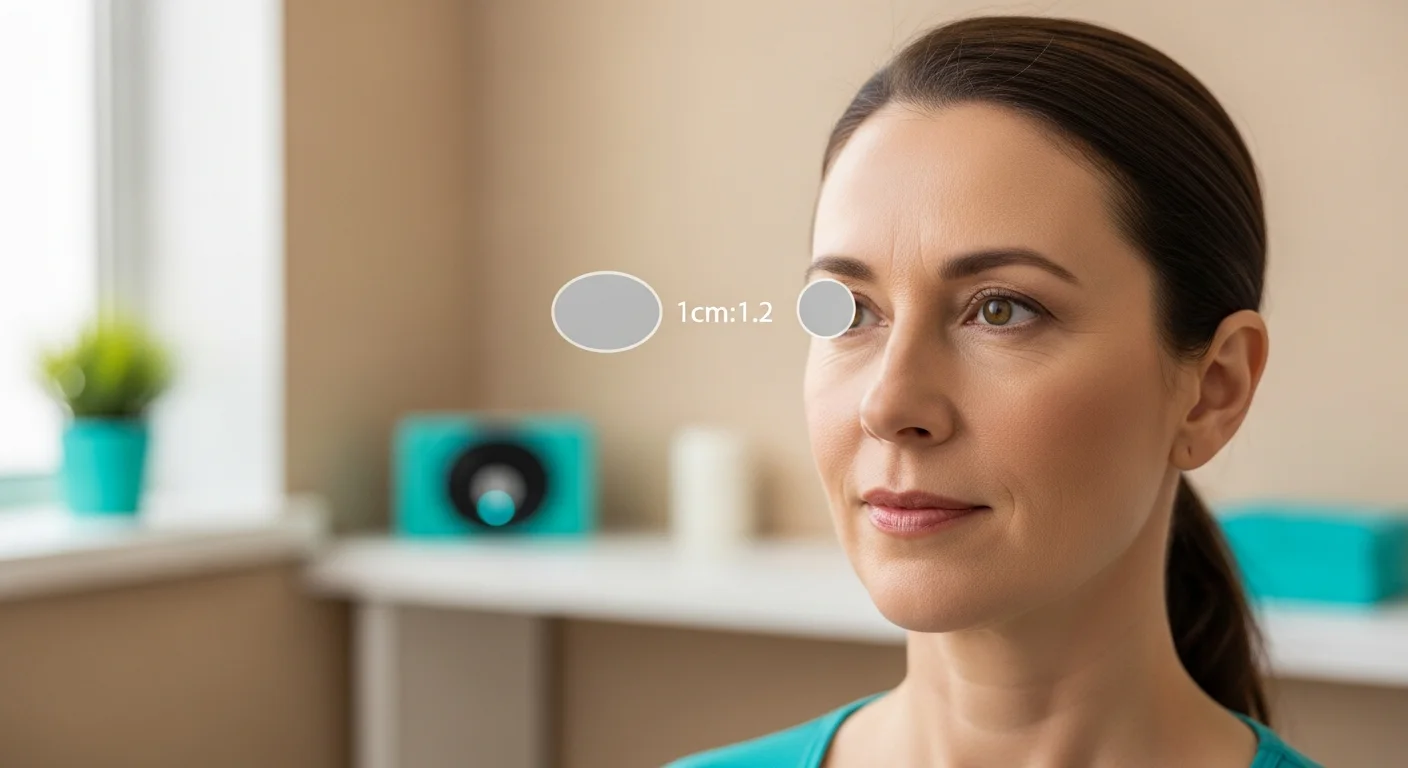
Hold a target at arm's length and move it slowly in a horizontal arc while tracking it with your eyes only. Keep your head still. Focus on maintaining a smooth, uninterrupted gaze on the target. Progress to vertical and circular tracking patterns as tolerated. On Face ID iPhones the app automatically captures gaze-tracking metrics — smoothness score, saccade count, and head-stillness flag — so you can track improvement objectively over time.
Saccadic Eye Movements
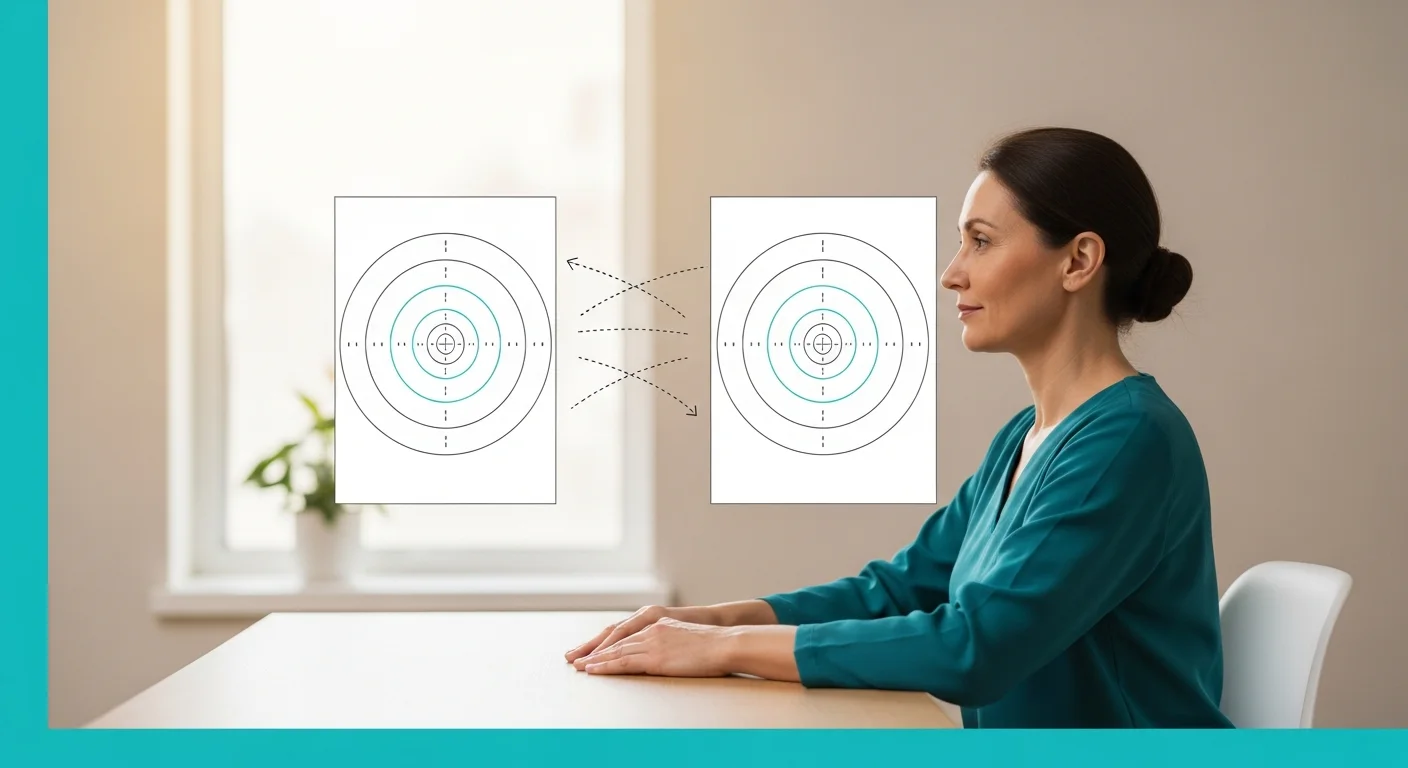
Place two targets at arm's length, about 30 cm apart. Rapidly shift your gaze between the two targets without moving your head. Ensure each fixation is sharp and accurate before jumping to the next. Practice horizontal, then vertical target placements.
Near-Far Focus Shifts
Hold a target at arm's length with a second target placed 3-4 meters away. Alternate your focus between the near and far targets every 2-3 seconds. Ensure each target is fully in focus before switching. This trains the accommodation system alongside gaze control.

Gaze Stabilization During Walking
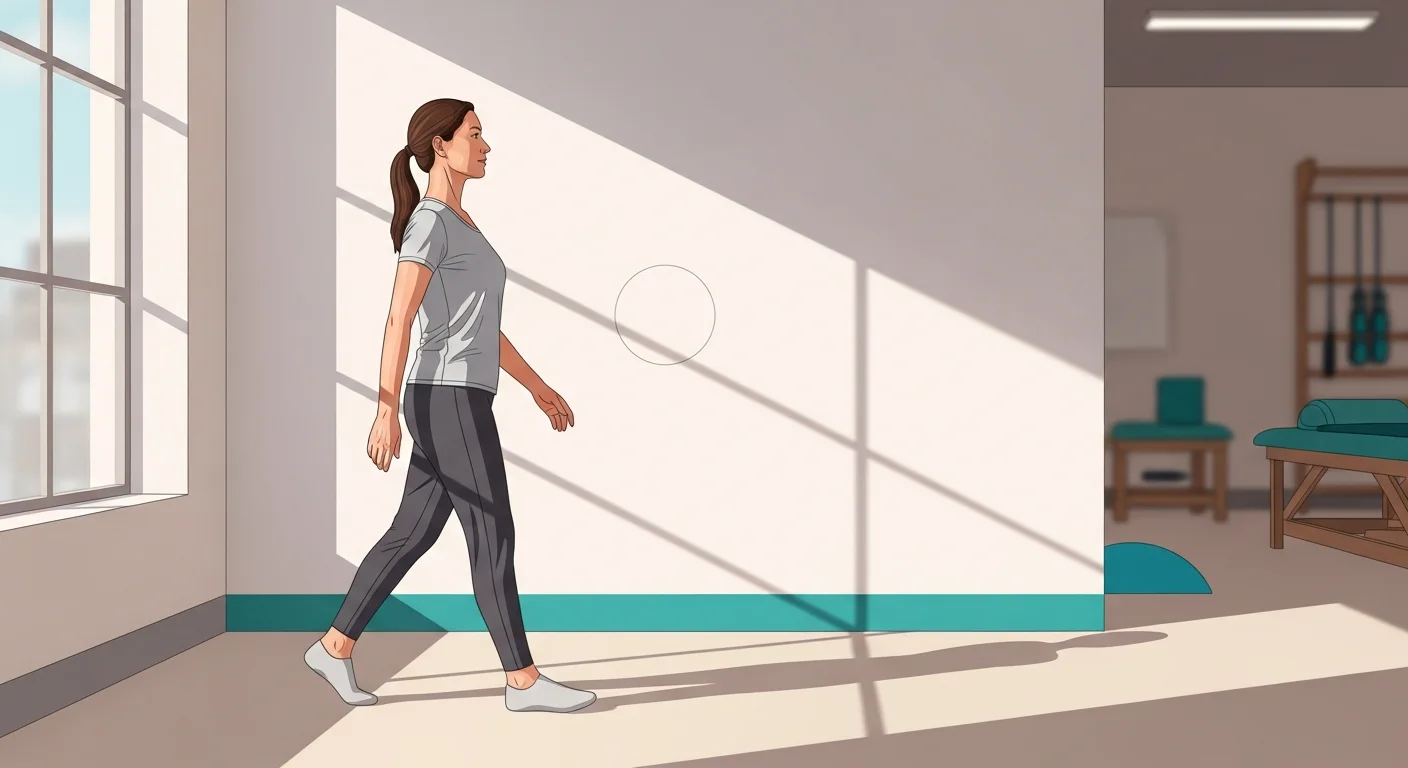
Fix your gaze on a stationary target at eye level and walk slowly toward it. Maintain clear focus on the target throughout. Progress by walking on different surfaces (carpet, tile, foam) and increasing speed. This functional exercise integrates gaze stability with whole-body balance.
Expected Recovery Timeline
Week 1: Getting Started
Begin with smooth pursuit and saccade exercises while seated. Keep sessions short (1-2 minutes) and expect temporary symptom increase. Practice 4-5 times daily for optimal neural adaptation.
Weeks 2-4: Building Progress
Add near-far focus shifts and begin standing during exercises. Increase speed and duration gradually. Most patients notice meaningful improvement in gaze clarity by weeks 2-3.
Months 2-3: Consolidation
Introduce walking-based gaze exercises and functional tasks (reading while moving, tracking objects in busy environments). Full vestibular compensation typically occurs within 8-12 weeks of consistent practice.
Tips for Success
- Start exercises as soon as the acute spinning phase subsides, usually within 2-3 days of onset
- Mild dizziness during exercises is a positive sign that the vestibular system is being challenged appropriately
- Use a target with small text or details so you can verify your focus stays sharp
- Practice in a well-lit room with a plain background initially, then progress to busier visual environments
- Keep a symptom diary to track daily progress and identify which exercises are most effective
When to Seek Help
- Sudden onset of hearing loss alongside vertigo may indicate labyrinthitis rather than neuritis — seek immediate evaluation
- Symptoms that worsen progressively over days instead of gradually improving
- Persistent double vision that does not resolve after resting from exercises
- New facial numbness, weakness, or difficulty speaking alongside vestibular symptoms
Frequently Asked Questions
How soon after vestibular neuritis should I start gaze stabilization exercises?
Will gaze exercises make my dizziness worse?
How long does it take for gaze stabilization to restore normal vision during movement?
Can I do gaze stabilization exercises alongside VOR x1/x2 exercises?
Related Exercise Guides
VOR Exercises for Vestibular Neuritis
The essential exercises that speed recovery from vestibular nerve inflammation
Balance Exercises for Vestibular Neuritis
Essential balance training to speed recovery and prevent falls
Habituation for Vestibular Neuritis
Reduce motion sensitivity through controlled, repeated exposure
Start Your Recovery Today
Get personalized gaze stabilization with video guidance, progress tracking, and daily reminders.