Balance Exercises for Vestibular Neuritis
Essential balance training to speed recovery and prevent falls
Why Balance Exercises Works for Vestibular Neuritis
Vestibular neuritis damages one vestibular nerve, creating an imbalance between your two ears. Your brain must learn to reweight sensory inputs—relying more on vision and proprioception while the damaged side recovers. Balance exercises accelerate this compensation by forcing your brain to integrate all available balance information.
The Science
Multiple high-quality studies demonstrate that balance exercises significantly improve outcomes in vestibular neuritis. A Cochrane review found moderate to strong evidence that vestibular rehabilitation (including balance training) improves both subjective symptoms and objective balance measures.
Exercise Protocol
Romberg Progressions
Stand with feet together, arms crossed. Progress: eyes open → eyes closed → foam surface → foam with eyes closed. Each challenges different balance systems.
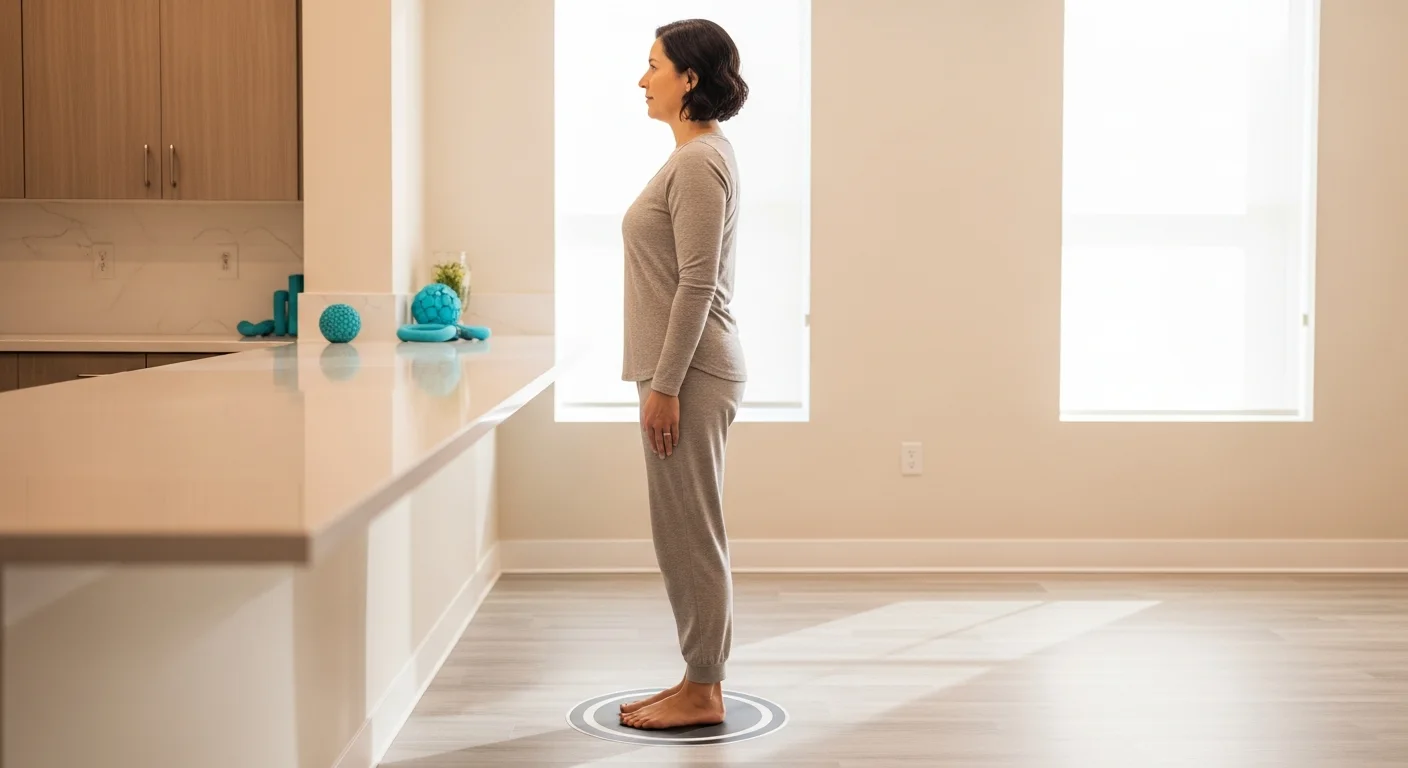
Weight Shifting
Shift weight side to side, forward and back, and in circles. Start with eyes open on firm surface, progress to eyes closed on foam.
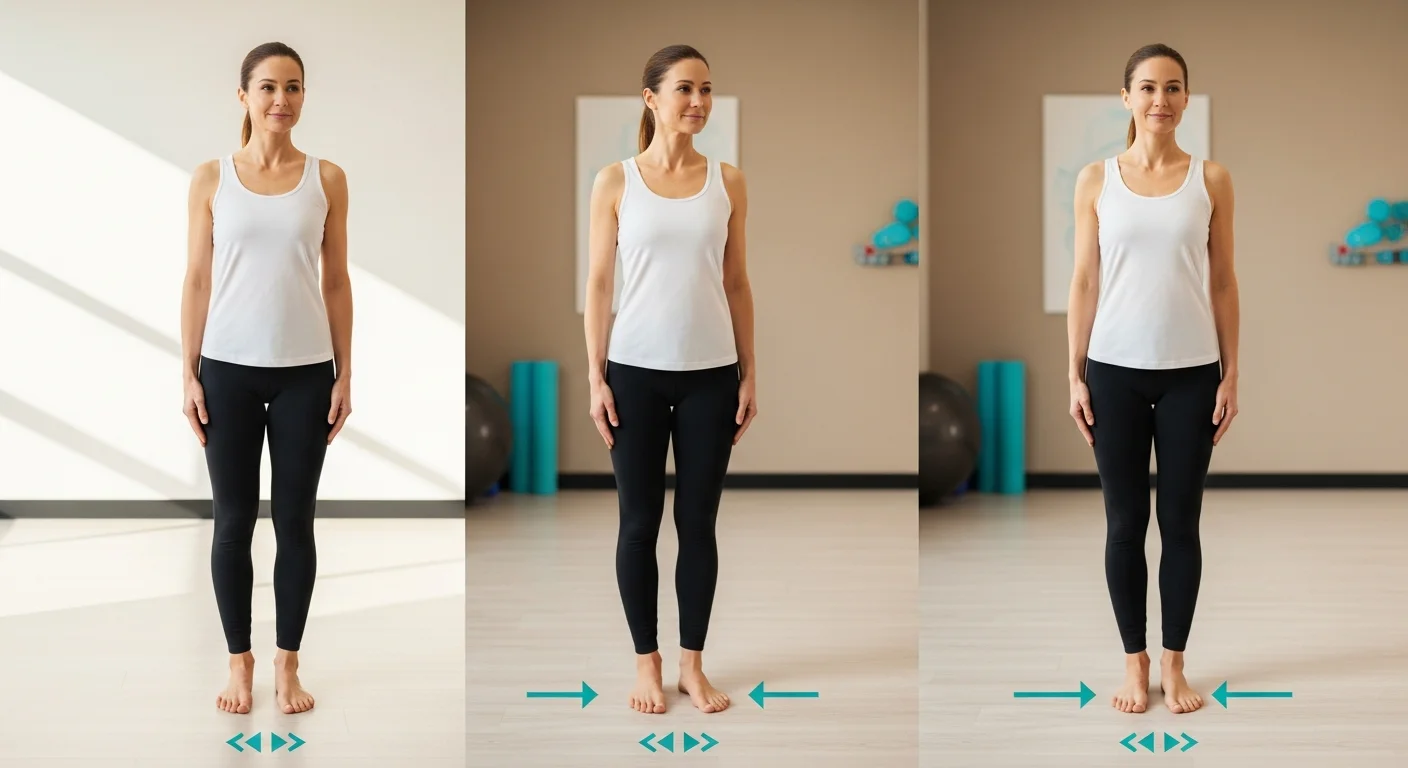
Tandem Walking
Walk heel-to-toe in a straight line. Progress: eyes open → eyes closed → turning head while walking. Critical for real-world function.
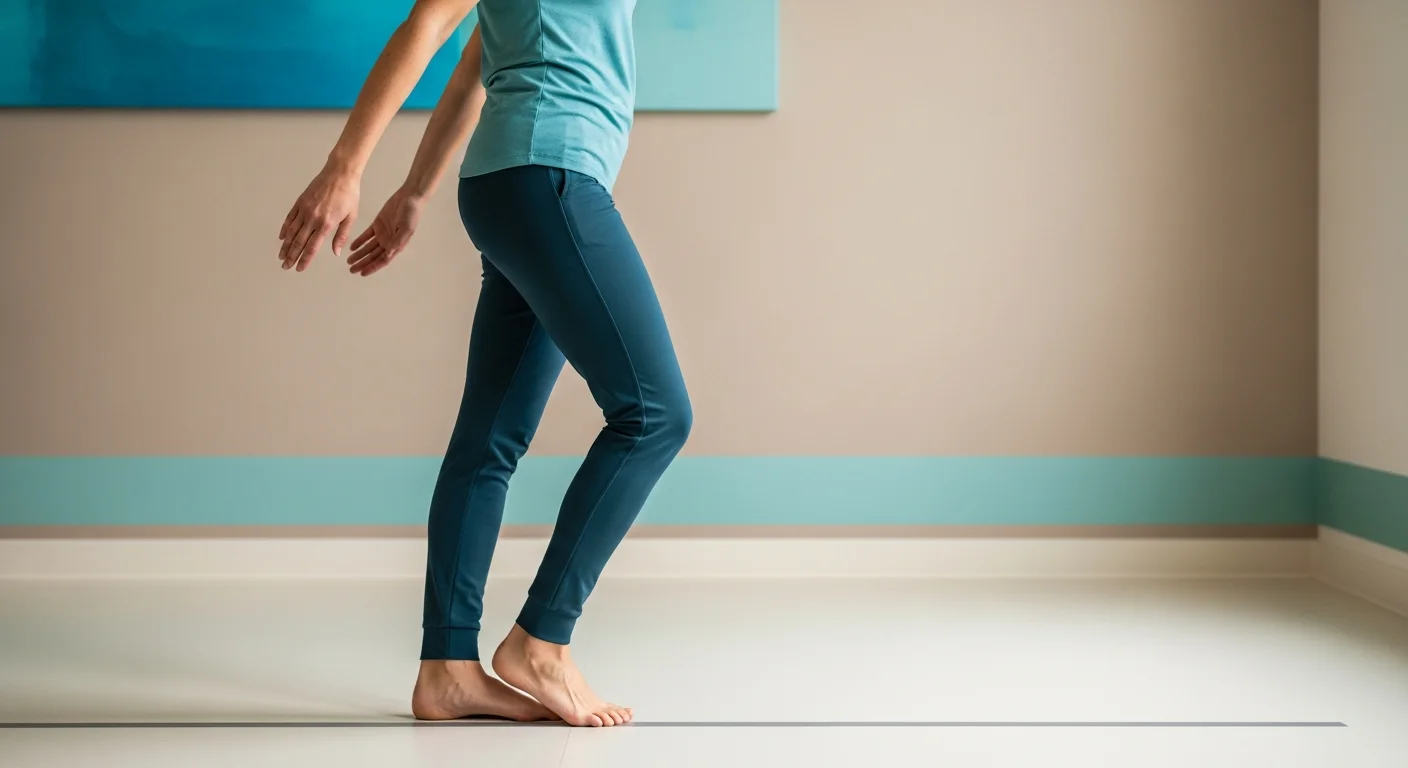
Dynamic Balance
Stand on one leg while turning head or catching a ball. Walking with head turns. These functional exercises prepare you for daily activities.
Expected Recovery Timeline
Week 1: Getting Started
Start with supported standing exercises as soon as the acute vertigo passes. Focus on safety—always have support nearby. Expect temporary symptom increase with exercises.
Weeks 2-4: Building Progress
Progress to unsupported balance challenges. Add foam surfaces and eyes-closed conditions. Begin walking exercises. Most patients see dramatic improvement.
Months 2-3: Consolidation
Add dynamic balance activities and return to normal activities. Continue maintenance exercises to prevent decompensation during illness or stress.
Tips for Success
- Start as soon as acute symptoms allow—early exercise speeds recovery
- Temporary dizziness during exercises is expected and helpful
- Progress by removing visual cues (eyes closed) and stable surfaces (foam)
- Practice in different environments (carpet, tile, grass)
- Don't rely on walls or furniture long-term—challenge yourself progressively
When to Seek Help
- Falls or near-falls that don't improve with practice
- Symptoms that worsen overall rather than temporarily during exercise
- New symptoms like hearing loss, facial weakness, or severe headache
- Balance problems that affect only one leg (could indicate other conditions)
Frequently Asked Questions
Will I ever have normal balance again after vestibular neuritis?
Why do I feel worse with eyes closed?
How long until balance returns after vestibular neuritis?
Can vestibular neuritis cause permanent balance problems?
Related Exercise Guides
VOR Exercises for Vestibular Neuritis
The essential exercises that speed recovery from vestibular nerve inflammation
Habituation for Vestibular Neuritis
Reduce motion sensitivity through controlled, repeated exposure
Gaze Stabilization for Vestibular Neuritis
Retrain the damaged vestibular-ocular reflex with targeted eye-tracking exercises
Start Your Recovery Today
Get personalized balance exercises with video guidance, progress tracking, and daily reminders.