VOR Exercises for Post-Concussion Syndrome
Proven gaze stabilization exercises for persistent post-concussion dizziness
Why VOR Exercises Works for Post-Concussion
Concussions frequently disrupt the vestibular system, causing dizziness, motion sensitivity, and difficulty focusing. VOR exercises directly target this dysfunction by retraining the connection between your inner ear and eye movements. Unlike rest alone (which can actually delay recovery), active VOR rehabilitation promotes neuroplasticity and speeds the brain's healing process.
The Science
Multiple randomized controlled trials show that vestibular rehabilitation significantly improves outcomes in post-concussion syndrome. A 2020 study in JAMA found that patients receiving vestibular therapy were 3.5 times more likely to be medically cleared at 8 weeks compared to those receiving standard care alone.
Exercise Protocol
VOR x1 Basic
Start with a business card-sized target at arm's length. Turn head slowly left-right while keeping the target clear. Begin with 30 seconds if sensitive.

VOR with Background
Same exercise but with a busy visual background (checkerboard, bookshelf). This increases the challenge and accelerates adaptation.
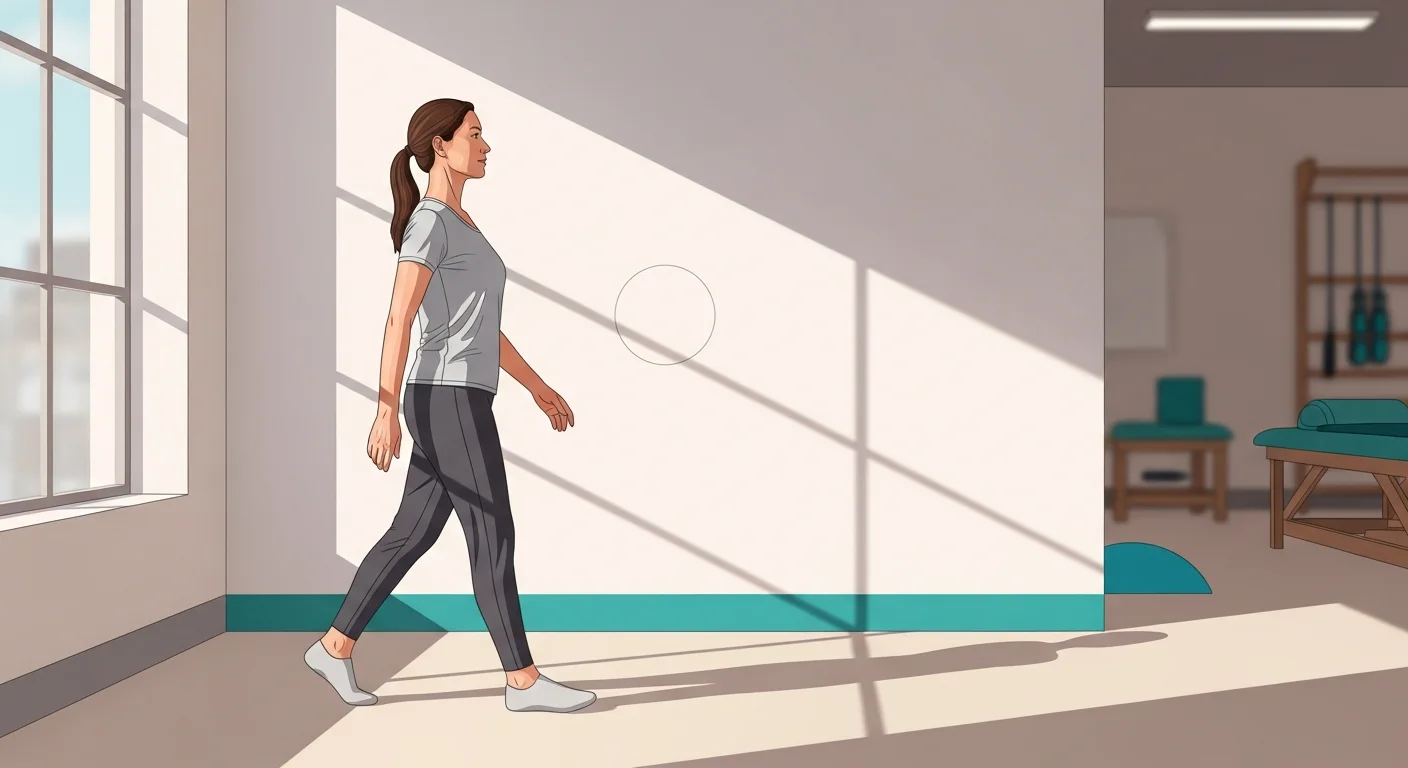
VOR While Walking
Hold target at arm's length while walking slowly. Turn head side to side while maintaining focus. Critical for return to sports/activities.
Expected Recovery Timeline
Week 1: Getting Started
Start gently with slow movements and short durations. Stop if symptoms increase significantly. Some symptom provocation is normal; severe exacerbation is not.
Weeks 2-4: Building Progress
Gradually increase speed, duration, and complexity. Add busy backgrounds and position changes. Most patients see 50%+ improvement by week 4.
Months 2-3: Consolidation
Progress to functional activities and sport-specific movements. Continue maintenance exercises even after symptoms resolve to prevent recurrence.
Tips for Success
- Start below your symptom threshold—you should feel challenged but not overwhelmed
- Track symptoms before and after exercises to optimize intensity
- Dim lights or wear sunglasses if light sensitivity is a problem
- Stay hydrated and well-rested—recovery happens during sleep
- Combine VOR exercises with gentle aerobic exercise for best results
When to Seek Help
- Symptoms that significantly worsen and don't recover within 24 hours
- New or worsening headaches, especially with exertion
- Cognitive symptoms like confusion or memory problems getting worse
- Depression, anxiety, or personality changes
Frequently Asked Questions
When can I start VOR exercises after a concussion?
Will VOR exercises make my concussion symptoms worse?
How long does post-concussion dizziness last with treatment?
Should I rest or exercise after a concussion?
Related Exercise Guides
Balance Exercises for Post-Concussion
Progressive balance training for safe return to activities
Habituation for Post-Concussion
Systematic desensitization for motion and visual sensitivities
Gaze Stabilization for Post-Concussion
Visual exercises to reduce motion sensitivity and improve focus
Start Your Recovery Today
Get personalized vor exercises with video guidance, progress tracking, and daily reminders.