Balance Exercises for Post-Concussion Syndrome
Progressive balance training for safe return to activities
Why Balance Exercises Works for Post-Concussion
Concussions disrupt the brain's ability to integrate balance inputs from the inner ear, eyes, and body. This causes unsteadiness, falls, and difficulty with sports. Balance exercises retrain these integration centers through neuroplasticity, and research shows they significantly accelerate clearance for return to activities.
The Science
A 2020 study in JAMA Pediatrics found that athletes who received vestibular-ocular rehabilitation (including balance training) were cleared for return to sport 5 days faster than those receiving standard care. Balance training is now a standard component of concussion protocols.
Exercise Protocol
Static Balance Progression
Progress through: feet together → tandem stance → single leg. Add eyes closed when stable. Add foam surface for additional challenge.
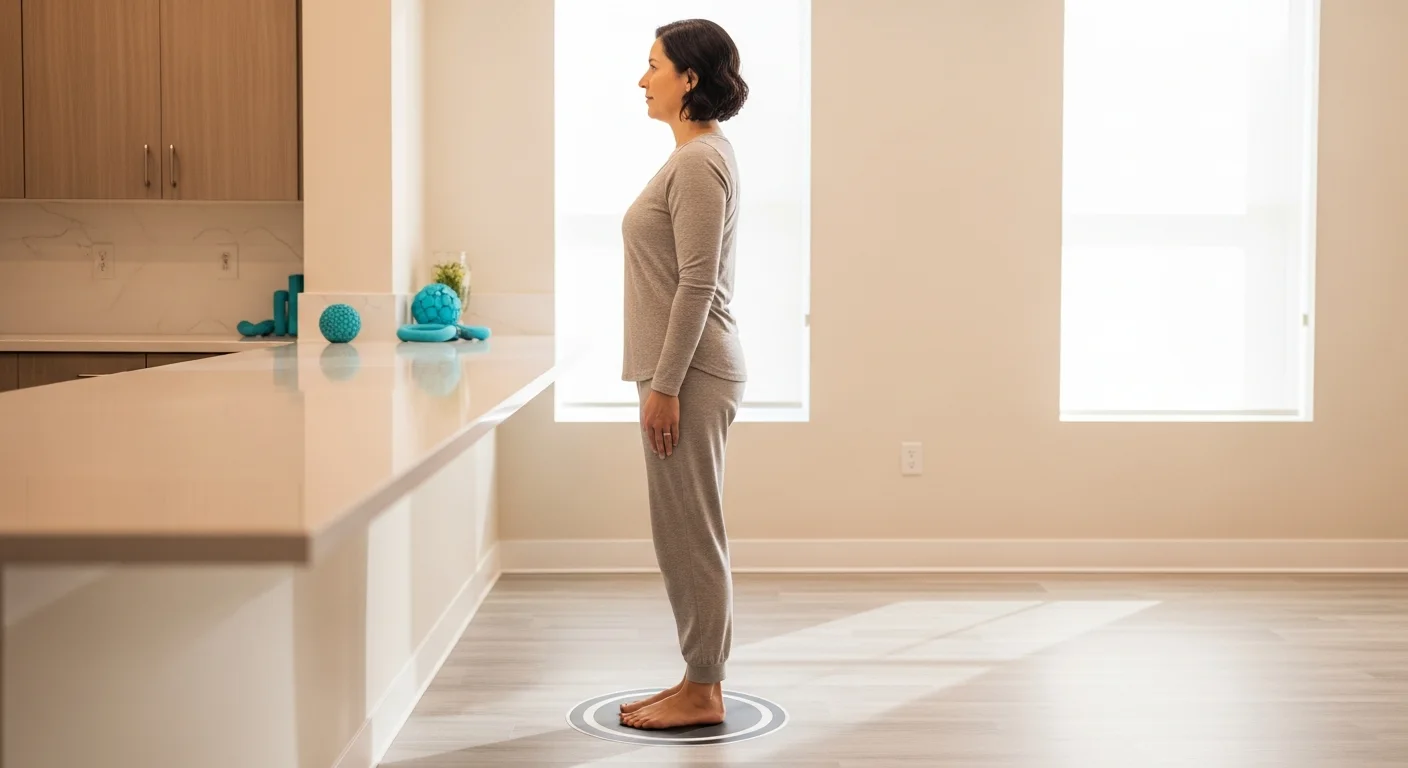
Balance with Cognitive Load
While balancing, add mental tasks: count backward by 7s, name animals, recall a list. This dual-task training is critical for sports return.
Dynamic Balance
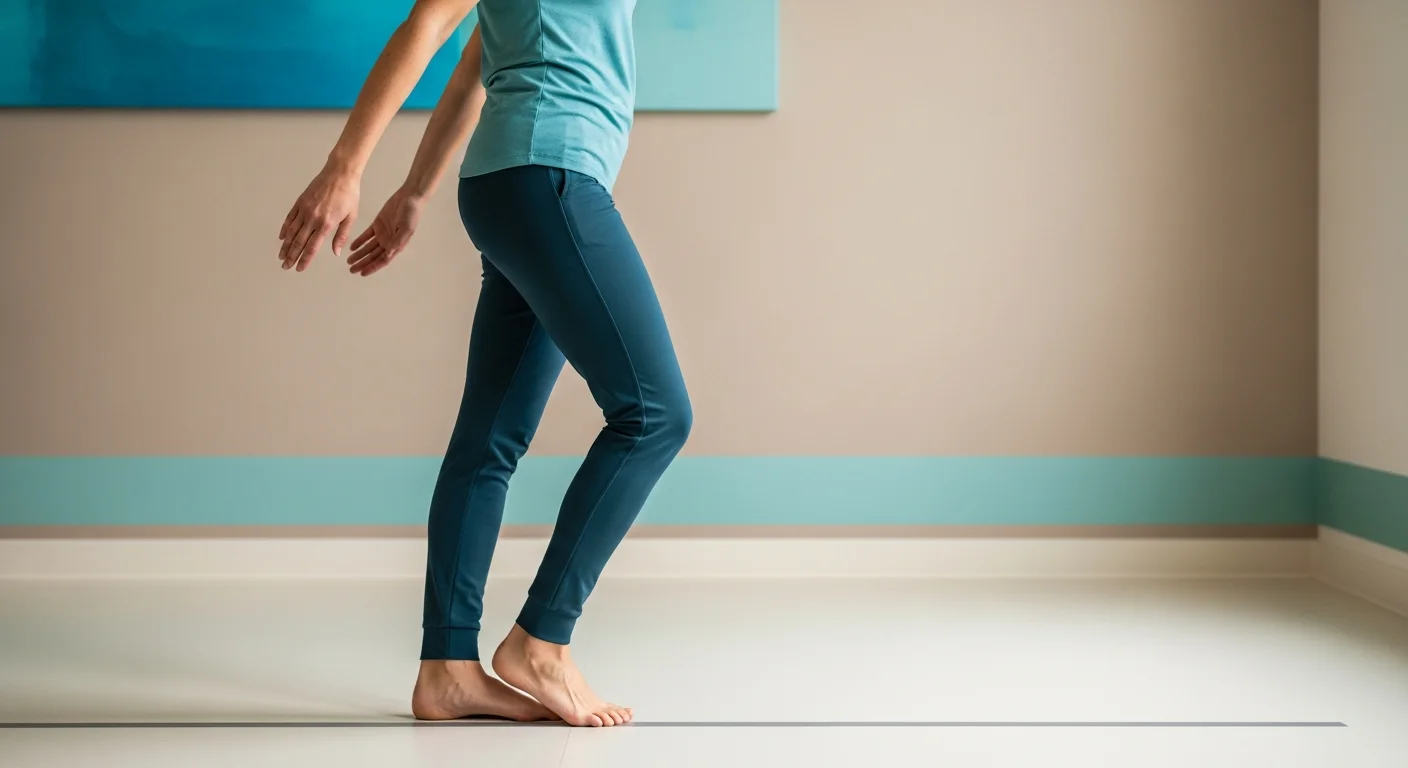
Walking with head turns, tandem walking, walking while bouncing a ball. Progress to sport-specific movements.
Expected Recovery Timeline
Week 1: Getting Started
Start gentle balance exercises once cleared by healthcare provider (usually within first week). Stop if symptoms significantly worsen. Some provocation is normal.
Weeks 2-4: Building Progress
Progress through balance hierarchy as tolerated. Add dual-task challenges. Begin sport-specific movements for athletes.
Months 2-3: Consolidation
Advanced dynamic balance and return-to-activity protocols. Continue maintenance even after clearance to reduce re-injury risk.
Tips for Success
- Start below symptom threshold—challenge without overwhelming
- Combine with aerobic exercise for best recovery outcomes
- Track symptoms before and after to optimize intensity
- Practice in safe environments with support nearby
- Be patient—pushing too hard can delay recovery
When to Seek Help
- Significant symptom worsening that doesn't resolve within 24 hours
- Falls or near-falls during exercises
- New or worsening headaches with exertion
- Feeling worse overall despite following gradual progression
Frequently Asked Questions
When can I start balance exercises after a concussion?
How do I know if I'm ready to return to sports?
Why is my balance off after a concussion?
Will balance problems after concussion go away on their own?
Related Exercise Guides
VOR Exercises for Post-Concussion
Proven gaze stabilization exercises for persistent post-concussion dizziness
Habituation for Post-Concussion
Systematic desensitization for motion and visual sensitivities
Gaze Stabilization for Post-Concussion
Visual exercises to reduce motion sensitivity and improve focus
Start Your Recovery Today
Get personalized balance exercises with video guidance, progress tracking, and daily reminders.