Vestibular Exercises for Athletes: Return to Play Safely
Learn how targeted vestibular exercises help athletes recover from concussions and safely return to sports with improved balance and visual stability.
VOR Eye Rehab Team
Published on December 28, 2025
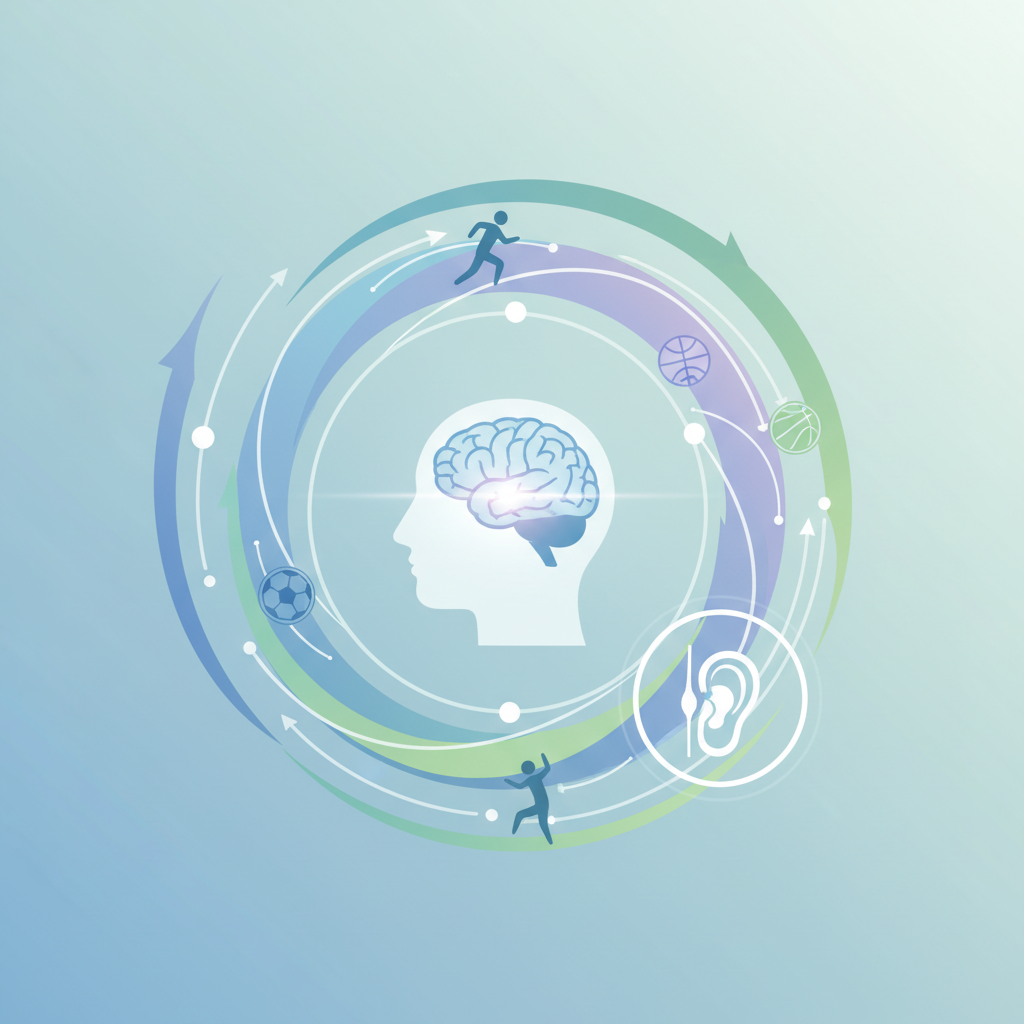
Listen to this article
Natural Language Narration · 3 min
What You’ll Learn
- How concussions impact the vestibular and visual systems
- The importance of targeted rehabilitation for athletes
- Key vestibular exercises that support safe return to sports
- Strategies for monitoring recovery and preventing re-injury
Understanding Concussion’s Impact on Athletic Performance
Concussions are more than just a temporary setback—they can significantly disrupt an athlete’s vestibular and visual systems. When the brain experiences trauma, the complex network responsible for balance, spatial orientation, and eye movement can become compromised.
Key impacts include:
- Reduced gaze stabilization
- Impaired balance and coordination
- Delayed visual processing
- Increased risk of subsequent injuries
The Science Behind Vestibular Rehabilitation
Vestibular rehabilitation is a specialized form of therapy designed to retrain the brain’s vestibular system. For athletes, these targeted exercises help:
- Restore neurological connections
- Improve balance and spatial awareness
- Enhance visual tracking and stability
- Reduce symptoms like dizziness and disorientation
Specific Exercises for Athletic Recovery
Gaze Stabilization (VOR x1 and x2)
- Helps athletes maintain visual focus during rapid head movements
- Critical for sports requiring quick directional changes
- Progressively increases difficulty to challenge the vestibular system
Saccadic Eye Movements
- Improves rapid eye movement precision
- Essential for tracking fast-moving objects in sports
- Enhances reaction time and visual processing
Balance and Proprioception Training
- Rebuilds neuromuscular coordination
- Reduces fall risk
- Supports gradual return to athletic performance
Monitoring Recovery: What Athletes Should Know
Successful rehabilitation requires:
- Consistent, structured exercise
- Gradual progression
- Regular symptom tracking
- Professional medical guidance
Red Flags to Watch
- Persistent dizziness
- Recurring headaches
- Visual disturbances
- Balance instability
Technology-Assisted Rehabilitation
Modern tools like the VOR Eye Rehab app can support athletes by:
- Providing structured, evidence-based exercises
- Tracking progress objectively
- Offering personalized difficulty progression
- Enabling remote monitoring by healthcare professionals
Key Takeaways
- Concussion recovery is a complex, individualized process
- Vestibular exercises are crucial for safe return to sports
- Patience and professional guidance are essential
- Technology can support comprehensive rehabilitation
Next Steps
Ready to start your recovery journey? Download the VOR Eye Rehab app and work with your healthcare provider to develop a personalized rehabilitation plan.
Medical Disclaimer: This content is for informational purposes only and is not a substitute for professional medical advice. Always consult a healthcare professional before starting any rehabilitation program.
Tags
Written by
VOR Eye Rehab Team
Expert insights on vestibular rehabilitation and eye health.
Related Articles
Concussion Symptoms Come Back With Exercise
Explain exercise-related concussion symptom flares, pacing rules, and when symptom return needs reassessment.
EyeRehab - VOR Training Team
July 6, 2026
Blurry Vision After Concussion: Exercises That Help
A practical guide to blurry vision after concussion, including common causes, exercise categories, and when to seek a focused exam.
EyeRehab - VOR Training Team
June 5, 2026
Brain Fog After Concussion and Visual Fatigue
Explore how visual fatigue can feed brain fog after concussion and how pacing, eye exercises, and load management can help.
EyeRehab - VOR Training Team
June 5, 2026