Vestibular Migraine: Symptoms, Treatment & Management
Discover the complex world of vestibular migraines, their neurological impact, and effective strategies for managing symptoms and improving quality of life.
VOR Eye Rehab Team
Published on December 27, 2025
Listen to this article
Natural Language Narration · 3 min
What You’ll Learn
- The complex neurological mechanisms behind vestibular migraines
- Common symptoms and triggers
- Diagnostic criteria and assessment
- Comprehensive management strategies
- Lifestyle modifications for symptom reduction
Understanding Vestibular Migraines: More Than Just a Headache
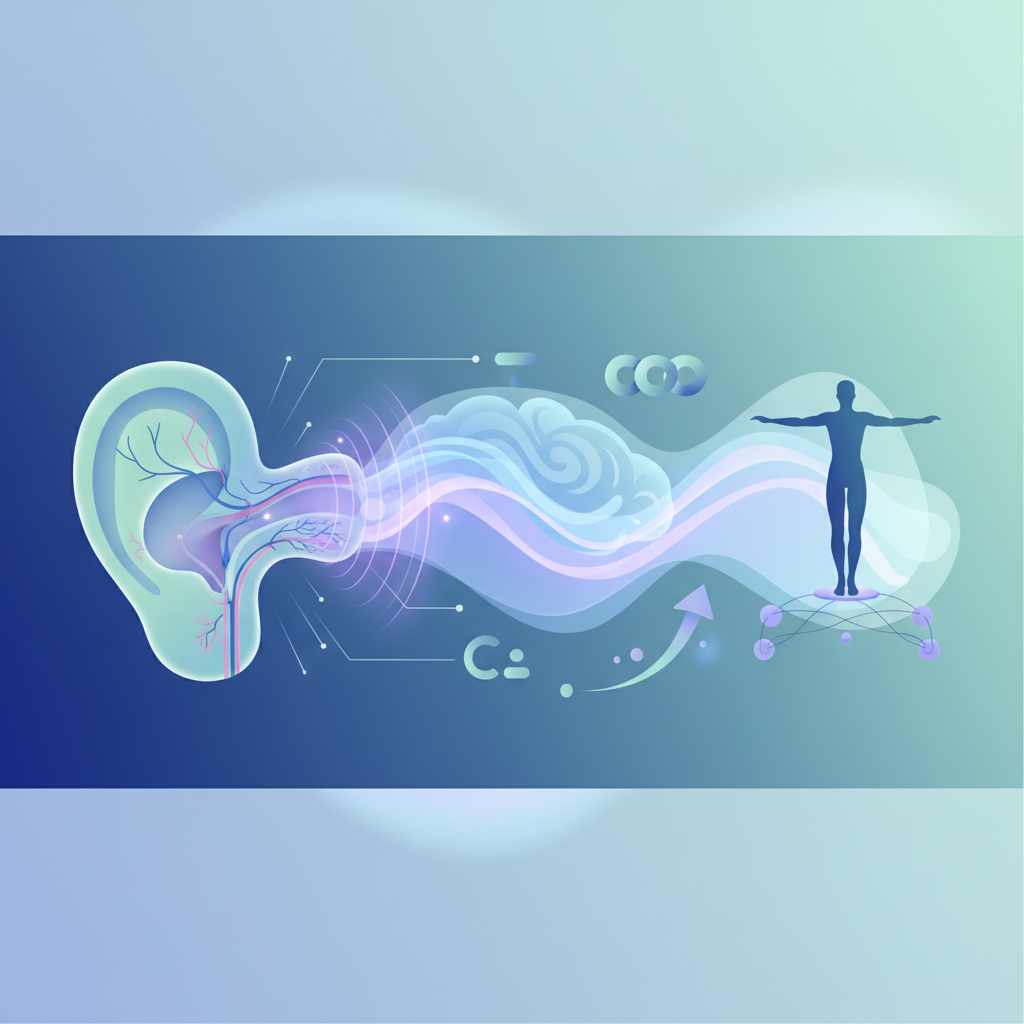
Vestibular migraines represent a unique neurological condition where traditional migraine symptoms intersect with vestibular system disruptions. Unlike typical migraines, these episodes can cause significant balance and spatial orientation challenges, making daily activities challenging for those affected.
Key Characteristics
- Typically occurs without traditional headache pain
- Involves complex neurological interactions
- Can cause severe dizziness and sensory disturbances
- Often unpredictable in onset and duration
Common Symptoms and Neurological Triggers
Vestibular migraine symptoms can be complex and vary between individuals:
Sensory Symptoms
- Vertigo and spinning sensations
- Extreme sensitivity to motion
- Visual disturbances
- Spatial disorientation
- Sudden balance instability
Potential Triggers
- Hormonal changes
- Stress and anxiety
- Sleep disruptions
- Dietary factors
- Environmental stimuli
Diagnostic Approach and Professional Assessment
Accurate diagnosis requires comprehensive neurological evaluation:
Diagnostic Criteria
- Detailed medical history review
- Neurological examination
- Potential imaging studies
- Vestibular function testing
- Ruling out alternative conditions
Comprehensive Management Strategies
Medical Interventions
- Preventative medications
- Vestibular rehabilitation
- Targeted symptom management
- Potential neurological consultations
Lifestyle and Rehabilitation Techniques
- Consistent sleep schedules
- Stress management practices
- Targeted vestibular exercises
- Dietary modifications
- Gradual sensory adaptation training
Rehabilitation and Recovery Techniques
Vestibular Rehabilitation Exercises
- Gaze stabilization protocols
- Balance training
- Visual tracking exercises
- Habituation techniques
Technology-Assisted Recovery
- Specialized rehabilitation apps
- Virtual reality training
- Guided exercise programs
- Symptom tracking tools
Key Takeaways
- Vestibular migraines are complex neurological events
- Comprehensive, personalized management is crucial
- Professional guidance enhances recovery potential
- Consistent rehabilitation can significantly improve quality of life
Start Your Recovery Journey
The VOR Eye Rehab app offers specialized vestibular rehabilitation exercises designed to support your recovery. Track symptoms, perform targeted exercises, and regain confidence in your neurological health.
[Download Now]
Medical Disclaimer
This content is for informational purposes only and is not a substitute for professional medical advice. Always consult your healthcare provider for personalized guidance.
Tags
Written by
VOR Eye Rehab Team
Expert insights on vestibular rehabilitation and eye health.
Related Articles
PPPD (Persistent Postural-Perceptual Dizziness): Symptoms, Triggers, and Rehab
What PPPD is, why chronic dizziness lingers after the trigger has healed, and how graded vestibular rehab helps you get steady again.
EyeRehab - VOR Training Team
July 1, 2026
Walking Balance Exercises After Concussion
A post-concussion walking balance guide that links gait, head movement, visual load, and safe progression.
EyeRehab - VOR Training Team
June 25, 2026
Balance Exercises With Eyes Closed: Safety and Progression
Explain how eyes-closed balance exercises change sensory demand and how to progress them safely.
EyeRehab - VOR Training Team
June 20, 2026