Visual Motion Sensitivity Exercises for Dizziness
Explain visual motion sensitivity and how graded visual exposure and optokinetic-style exercises can fit into vestibular rehab.
EyeRehab - VOR Training Team
Published on June 11, 2026
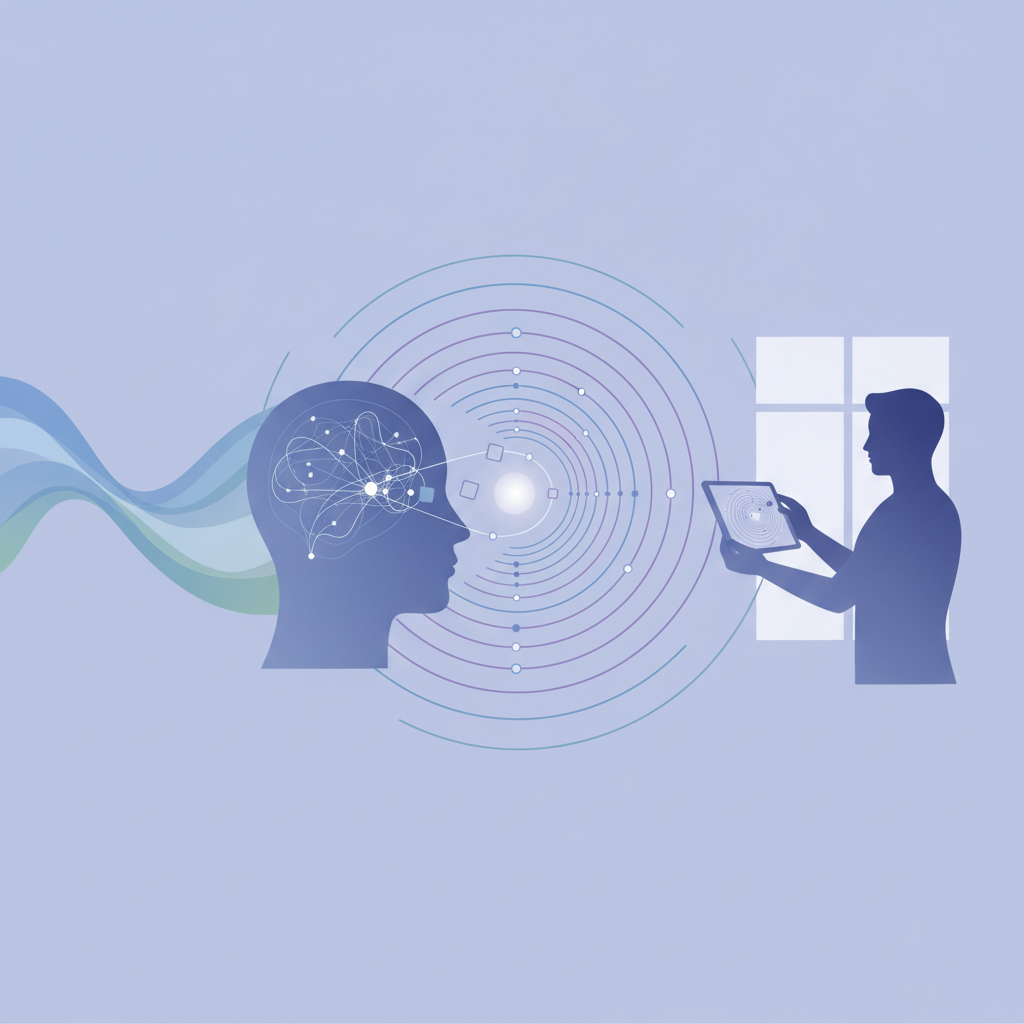
Listen to this article
Natural Language Narration · 8 min
Quick answer
What is visual motion sensitivity?
Explain visual motion sensitivity and how graded visual exposure and optokinetic-style exercises can fit into vestibular rehab.
Reviewed on June 10, 2026
Overcoming Dizziness in Busy Visual Environments
Feeling dizzy, disoriented, or off-balance in crowded spaces is a common and frustrating symptom of vestibular dysfunction and post-concussion syndrome. Incorporating targeted visual motion sensitivity exercises into your daily routine can help your brain reprocess motion and significantly reduce these feelings of instability. This guide explores evidence-based optokinetic exercises for dizziness to help you confidently navigate your recovery.
What is Visual Motion Sensitivity?
Visual motion sensitivity (VMS) is a condition where the brain becomes overly reliant on visual input to maintain balance, causing dizziness, vertigo, and imbalance when exposed to moving visual scenes or complex patterns.
Often referred to visually as visual vertigo, this condition frequently develops after a concussion, vestibular neuritis, or other vestibular disorders. When the vestibular system in the inner ear is damaged or disrupted, the brain compensates by depending more heavily on the eyes and neck to figure out where the body is in space. This sensory mismatch means that walking through a busy visual environment—like a grocery store aisle, a crowded mall, or past moving escalators—overwhelms the brain, triggering dizziness and motion sensitivity.
Which Exercises Help Visual Motion Sensitivity?
The most effective exercises for visual motion sensitivity involve gradual, controlled exposure to optokinetic stimulation, gaze stabilization training, and habituation exercises within busy visual environments.
These visual vertigo exercises work through neuroplasticity—training the brain to recalibrate how it processes visual and vestibular signals together. By repeatedly exposing the brain to the specific visual triggers that cause dizziness in a safe, controlled way, the nervous system learns to filter out the “noise” and reduce symptoms.
Step-by-Step Visual Motion Sensitivity Exercises
When starting motion sensitivity vestibular rehab, it is highly recommended to perform these exercises in a safe environment, such as standing in a corner or using a sturdy chair for support.
Exercise 1: Optokinetic Training (Virtual Grocery Store)
Optokinetic exercises for dizziness simulate the feeling of walking through a busy environment while your head is stationary. This trains your brain to tolerate visual motion without triggering a dizzy spell.
- Setup: Stand in a corner for safety. Use a mobile device or tablet opened to an optokinetic stimulation video (like moving stripes or a crowded walking video), or utilize the optokinetic training feature in the EyeRehab app.
- Steps:
- Hold the screen at a comfortable viewing distance.
- Keep your head completely still while watching the moving images on the screen.
- Allow your eyes to naturally follow the movement across the screen without fighting the motion.
- Continue for 30 to 60 seconds, or until you notice a mild to moderate increase in your dizziness.
- Progression: As your tolerance improves, progress the difficulty by increasing the speed of the video. Eventually, you can progress to performing gentle VOR x1 exercises (moving your head side to side) while watching the moving visual stimuli.
- Common Mistakes: Looking away from the screen when the dizziness starts, or holding your breath.
- Tips: Breathe deeply and evenly. It is normal to feel mildly dizzy; you are teaching your brain that this visual motion is safe.
Exercise 2: Gaze Stabilization in a Busy Visual Environment
This exercise combines head movements with visual complexity to bridge the gap between clinic-based exercises and real-world busy visual environments dizziness.
- Setup: Stand in front of a visually “busy” background. This could be a patterned rug, a bookshelf, or a screen displaying a complex image.
- Steps:
- Pick a specific, stationary target in the center of your vision.
- Turn your head slowly to the left, keeping your eyes locked on the stationary target.
- Turn your head slowly to the right, maintaining focus.
- Repeat for 30 to 60 seconds.
- Progression: Increase the speed of your head turns. Next, try walking slowly in place while doing the exercise. Finally, try walking through the busy environment (like your patterned rug) while looking around.
- Common Mistakes: Moving the head too fast before the visual system is ready, or moving the whole body instead of just the head.
- Tips: Keep your movements smooth and controlled. If the busy background makes you nauseous, slow down or take a break.
How Should Optokinetic Exposure Be Paced?
Optokinetic exposure should be paced by starting at a low intensity for short durations, stopping to rest once symptoms reach a mild-to-moderate level, and waiting for the dizziness to completely subside before repeating.
Proper pacing is the most critical component of motion sensitivity vestibular rehab. If you avoid the exercises entirely, your brain will not adapt. However, if you push through severe dizziness or nausea, you can trigger a symptom “crash” that sets your recovery back.
To pace your exercises safely:
- Find your baseline: Start with the slowest speed and shortest duration (e.g., 30 seconds).
- Use the 0-10 scale: Stop the exercise when your dizziness, headache, brain fog, or nausea increases by about 2 to 3 points on a 10-point scale.
- Rest and recover: Sit down, close your eyes, or look at a blank wall until your symptoms return to their baseline level.
- Track your progress: Use a symptom tracker to log your dizziness before, during, and after exercises.
Red Flags: When to Seek Care
While mild dizziness during these exercises is normal and expected, certain symptoms require immediate medical attention. Stop your exercises and consult a healthcare professional, physical therapist, or vestibular specialist if you experience:
- Sudden, severe, or “worst ever” vertigo
- New or worsening double vision (diplopia)
- Numbness or weakness in the face or limbs
- Slurred speech or difficulty swallowing
- A sudden change in hearing or ringing in the ears (tinnitus)
- Frequent falls or an inability to stand upright safely
Key Takeaways
- Visual motion sensitivity occurs when the brain over-relies on visual input, causing dizziness in busy visual environments.
- Visual vertigo exercises, such as optokinetic training and gaze stabilization, retrain the brain to process motion correctly.
- Pacing is essential: Expose yourself to visual triggers only to the point of mild symptom provocation, then rest. Do not push through severe dizziness.
- Consistency matters: Short, frequent daily sessions are more effective for neuroplasticity than one long, exhausting session.
Take Control of Your Recovery with EyeRehab
Mastering visual motion sensitivity exercises requires consistency, accurate pacing, and the right tools. The EyeRehab - VOR Training app is designed specifically to guide you through vestibular rehabilitation at home. With built-in optokinetic training, VOR exercises, and an integrated symptom tracker to monitor your dizziness and brain fog, you can safely progress your recovery at a pace that is right for your brain. Download EyeRehab today to take the next step toward visual stability.
Medical Disclaimer
This blog post is for informational and educational purposes only and does not constitute medical advice. It is not a substitute for professional medical diagnosis, or treatment. Always seek the advice of your physician, physical therapist, or other qualified health provider with any questions you may have regarding a medical condition or before starting any new exercise program.
Frequently Asked Questions
What is visual motion sensitivity?
Use symptom patterns, safety, and day-to-day function to decide the next step. Seek urgent care for danger signs, and ask a qualified clinician for guidance when symptoms are worsening, unsafe, unusual, or not improving.
Which exercises help visual motion sensitivity?
Use symptom patterns, safety, and day-to-day function to decide the next step. Seek urgent care for danger signs, and ask a qualified clinician for guidance when symptoms are worsening, unsafe, unusual, or not improving.
How should optokinetic exposure be paced?
Use symptom patterns, safety, and day-to-day function to decide the next step. Seek urgent care for danger signs, and ask a qualified clinician for guidance when symptoms are worsening, unsafe, unusual, or not improving.
Tags
Written by
EyeRehab - VOR Training Team
Expert insights on vestibular rehabilitation and eye health.
Related Articles
PPPD (Persistent Postural-Perceptual Dizziness): Symptoms, Triggers, and Rehab
What PPPD is, why chronic dizziness lingers after the trigger has healed, and how graded vestibular rehab helps you get steady again.
EyeRehab - VOR Training Team
July 1, 2026
Walking Balance Exercises After Concussion
A post-concussion walking balance guide that links gait, head movement, visual load, and safe progression.
EyeRehab - VOR Training Team
June 25, 2026

Balance Exercises With Eyes Closed: Safety and Progression
Explain how eyes-closed balance exercises change sensory demand and how to progress them safely.
EyeRehab - VOR Training Team
June 20, 2026