Post-Concussion Syndrome: When Symptoms Persist
Define post-concussion syndrome, why symptoms persist, and which vestibular, visual, and cognitive patterns deserve assessment.
EyeRehab - VOR Training Team
Published on June 5, 2026
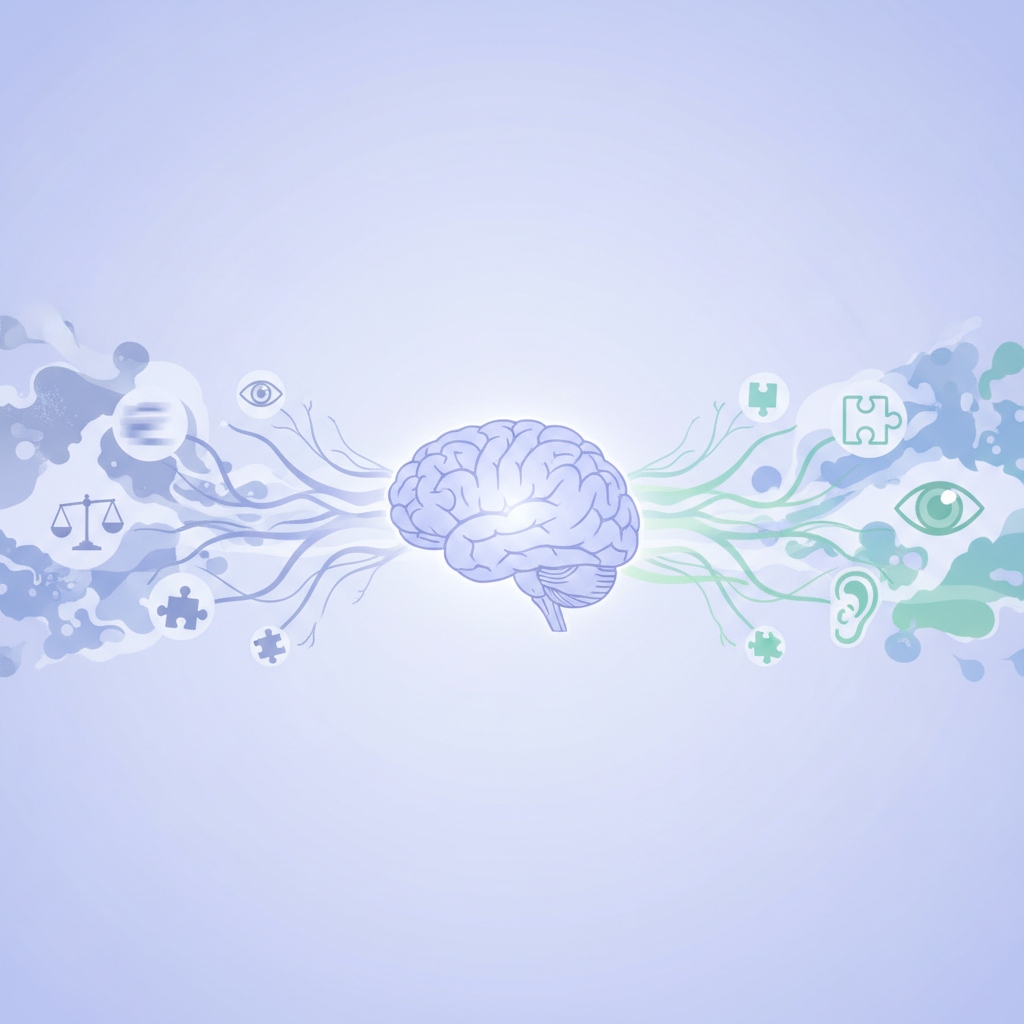
Listen to this article
Natural Language Narration · 8 min
Quick answer
What is post-concussion syndrome?
Post-concussion syndrome (PCS) occurs when concussion symptoms—such as headaches, dizziness, cognitive difficulties, and mood changes—persist beyond the typical recovery window of 10 to 14 days in adults or up to four weeks in youth. PCS is not predicted by initial injury severity; instead, prolonged recovery is often linked to vestibular or visual dysfunction, cervical spine issues, migraine conditions, and psychological factors. A comprehensive multidisciplinary assessment is recommended to identify underlying drivers and guide targeted, active rehabilitation.
Reviewed on June 5, 2026
What Is Post-Concussion Syndrome?
Dealing with a concussion is challenging enough, but facing lingering symptoms for weeks or months can feel incredibly frustrating and isolating. Post-concussion syndrome (PCS) occurs when the physical, cognitive, and emotional symptoms of a concussion persist beyond the expected recovery window. Clinicians often refer to this condition as having persistent post-concussive symptoms.
Understanding post-concussion syndrome is the first step toward finding the right care. While most people recover from a concussion within a few weeks, a notable percentage of individuals find that their symptoms linger, requiring a targeted and multidisciplinary approach to rehabilitation.
When Do Concussion Symptoms Become Persistent?
Concussion symptoms typically resolve within 10 to 14 days for adults and up to four weeks for children and adolescents. When concussion symptoms last for months or continue beyond these expected recovery timelines, they are generally classified as persistent post-concussive symptoms.
The transition from an acute concussion to post-concussion syndrome does not necessarily mean that the initial brain injury was severe. In fact, the severity of the initial impact is not a reliable predictor of who will develop PCS. Instead, prolonged concussion recovery is often driven by a complex mix of factors, including:
- Vestibular and visual dysfunction: Issues with the inner ear or the eyes tracking objects.
- Cervical spine issues: Neck pain or whiplash sustained during the head injury.
- Psychological factors: Pre-existing or new stress, anxiety, and mood changes.
- Migraine and headache conditions.
Common PCS Symptoms to Monitor
PCS symptoms generally fall into physical, cognitive, and emotional categories, often overlapping in ways that disrupt daily life. The most commonly reported persistent post-concussive symptoms include:
- Physical Symptoms: Persistent headaches, dizziness, balance problems, nausea, and heightened sensitivity to light and noise.
- Vestibular and Visual Symptoms: Difficulty focusing the eyes, eye strain, blurred vision, and a feeling of unsteadiness or vertigo, especially in busy environments like grocery stores or crowded rooms.
- Cognitive Symptoms: Brain fog, difficulty concentrating, memory issues, and trouble multitasking.
- Sleep and Mood Disturbances: Disrupted sleep patterns, insomnia, fatigue, irritability, and increased anxiety or depression.
When to Seek Immediate Care: While PCS involves lingering symptoms, a sudden worsening of symptoms requires emergency medical evaluation. Seek immediate care if you experience severe or worsening headaches, repeated vomiting, slurred speech, worsening confusion, or numbness in the arms or legs.
What Should Be Assessed When Symptoms Persist?
A comprehensive, multidisciplinary evaluation is essential to identify the specific underlying drivers of prolonged concussion recovery. Because post-concussion syndrome is highly individualized, a one-size-fits-all approach does not work. When symptoms persist, healthcare providers should thoroughly assess the following systems:
1. Vestibular System Assessment
The vestibular system, located in the inner ear, controls balance and spatial orientation. An assessment should check for vestibular disorders like benign paroxysmal positional vertigo (BPPV), vestibular neuritis, and visual-vestibular mismatches, all of which can sustain feelings of dizziness and instability.
2. Visual and Oculomotor Function
Vision is deeply interconnected with brain function. Specialists should evaluate how well the eyes track, focus, and work together. This includes testing the vestibulo-ocular reflex (VOR), saccades (rapid eye movements), smooth pursuits (tracking moving objects), and convergence (the ability of the eyes to turn inward to focus on a near object).
3. Cervical Spine Evaluation
The neck is highly vulnerable during a head injury. Cervical spine dysfunction can cause headaches, dizziness, and balance issues that mimic or exacerbate concussion symptoms. A physical exam of the neck can determine if cervical pain or stiffness is contributing to the problem.
4. Cognitive and Psychological Health
A comprehensive assessment should also evaluate mood, stress levels, and sleep quality. Psychological factors can amplify physical symptoms, making it crucial to address the whole person—mind and body—during prolonged concussion recovery.
Treatment Options for Post-Concussion Syndrome
Effective treatment for post-concussion syndrome relies on targeted, active therapies rather than prolonged rest. While strict rest in a dark room was once the standard advice, clinical guidelines now emphasize a gradual, symptom-limited return to activity.
Once the specific drivers of your PCS symptoms are identified, your healthcare team may recommend:
- Vestibular Rehabilitation Therapy (VRT): Specialized exercises to improve gaze stabilization, reduce dizziness, and retrain balance.
- Vision Therapy: Targeted oculomotor exercises (like VOR x1/x2 and smooth pursuit training) to improve visual focus and reduce eye strain.
- Physical Therapy: Manual therapy and exercises to address neck pain, stiffness, and cervical instability.
- Graded Exercise Therapy: A carefully monitored aerobic exercise program to help restore normal cardiovascular function without triggering symptom flare-ups.
- Symptom Tracking: Using tools like a symptom diary or app to monitor triggers and progress, allowing for gradual difficulty progression in daily tasks and exercises.
Key Takeaways
- Definition: Post-concussion syndrome (PCS) is a condition where physical, cognitive, and emotional symptoms persist beyond the typical recovery period.
- Timelines: Concussion symptoms lasting months or beyond the 10-to-14-day expected recovery window are considered persistent.
- Assessment: A thorough evaluation is vital when symptoms persist. You should be assessed for vestibular, visual, cervical, and psychological dysfunctions.
- Treatment: Prolonged rest is rarely the answer. Targeted, active rehabilitation (such as vestibular and vision therapy) is the gold standard for managing PCS symptoms.
Managing Your Recovery with EyeRehab - VOR Training
Navigating prolonged concussion recovery takes time, patience, and the right tools. If you are dealing with persistent dizziness, eye strain, or balance issues, vestibular rehabilitation can be life-changing.
The EyeRehab - VOR Training app is designed to support your recovery journey by providing targeted, evidence-based exercises right from your mobile device. With features like VOR x1 and x2 gaze stabilization, saccades, smooth pursuit training, and balance exercises, EyeRehab empowers you to actively manage your vestibular health. Our built-in symptom and progress tracking allows you to monitor your daily symptoms and safely progress your exercise difficulty.
Always consult your neurologist, physical therapist, or vestibular specialist before beginning a new exercise regimen, and download EyeRehab - VOR Training today to take the next step in your recovery.
Medical Disclaimer
This content is for informational and educational purposes only and does not constitute medical advice. It is not intended to diagnose, treat, cure, or prevent any disease or health condition. Always seek the guidance of your doctor, physical therapist, or other qualified health professional with any questions you may have regarding a medical condition, concussion, or vestibular disorder.
Frequently Asked Questions
When do concussion symptoms become persistent?
Concussion symptoms are generally considered persistent when they last beyond 10 to 14 days in adults or beyond four weeks in children and adolescents. Symptoms continuing months past the expected recovery timeline warrant a comprehensive clinical evaluation to identify contributing factors.
What should be assessed when concussion symptoms persist?
A multidisciplinary evaluation should assess the vestibular system (balance and dizziness), visual and oculomotor function (tracking, focusing, eye coordination), the cervical spine (neck pain and stiffness), and cognitive and psychological health (mood, stress, sleep). Identifying specific drivers is essential for targeted treatment.
When should you seek emergency care during concussion recovery?
Seek immediate medical care if you experience severe or worsening headaches, repeated vomiting, slurred speech, worsening confusion, or numbness in the arms or legs. These signs may indicate a more serious condition requiring urgent evaluation.
Tags
Written by
EyeRehab - VOR Training Team
Expert insights on vestibular rehabilitation and eye health.
Related Articles
Concussion Symptoms Come Back With Exercise
Explain exercise-related concussion symptom flares, pacing rules, and when symptom return needs reassessment.
EyeRehab - VOR Training Team
July 6, 2026
Blurry Vision After Concussion: Exercises That Help
A practical guide to blurry vision after concussion, including common causes, exercise categories, and when to seek a focused exam.
EyeRehab - VOR Training Team
June 5, 2026
Brain Fog After Concussion and Visual Fatigue
Explore how visual fatigue can feed brain fog after concussion and how pacing, eye exercises, and load management can help.
EyeRehab - VOR Training Team
June 5, 2026