Inner Ear Health: Neck Posture's Hidden Impact
Discover how neck alignment affects balance, dizziness, and vestibular function. Learn strategies to improve posture and reduce vestibular symptoms.
VOR Eye Rehab Team
Published on January 21, 2026
Listen to this article
Natural Language Narration · 3 min
What You’ll Learn
- How neck alignment impacts vestibular function
- The connection between poor posture and balance issues
- Strategies to improve neck posture and reduce dizziness
- Exercises to support vestibular health
- When to seek professional help
The Surprising Link Between Neck Posture and Vestibular Function
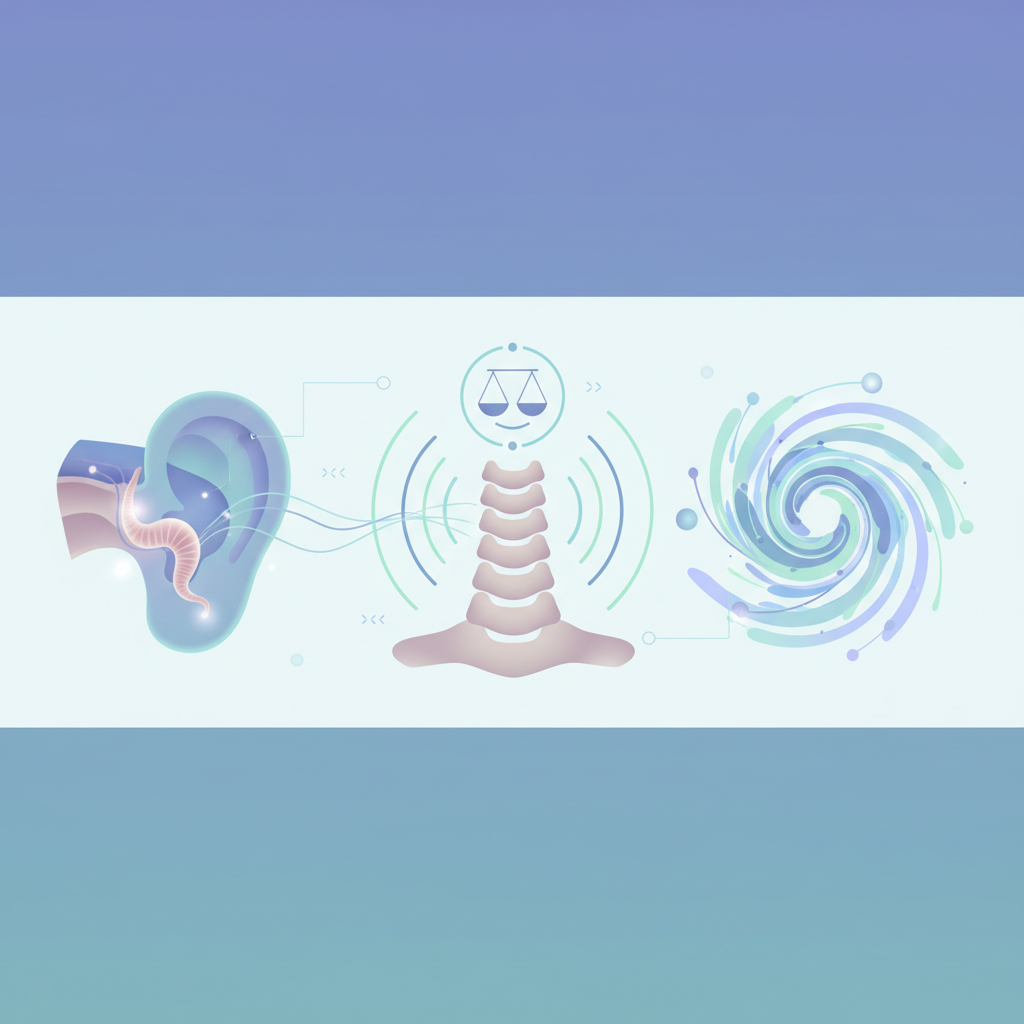
Your neck does more than support your head—it plays a crucial role in maintaining balance and preventing dizziness. The complex network of muscles, nerves, and joints in the cervical spine directly communicates with your vestibular system, influencing how your body perceives movement and maintains equilibrium.
How Poor Neck Alignment Disrupts Vestibular Health
When your neck is misaligned, it can:
- Interfere with proprioceptive signals
- Compress nerve pathways
- Reduce blood flow to the inner ear
- Create muscle tension that triggers vestibular symptoms
Common Neck Posture Problems That Affect Balance
Text Neck and Digital Strain
Prolonged device use can lead to:
- Forward head posture
- Increased cervical spine stress
- Reduced vestibular system efficiency
Muscle Imbalances and Compensation Patterns
Chronic poor posture can create:
- Weakened neck stabilizer muscles
- Overactive compensatory muscle groups
- Reduced range of motion
- Increased risk of vestibular dysfunction
Practical Strategies for Neck Alignment and Vestibular Health
Posture Correction Techniques
- Practice chin tucks
- Use ergonomic workstations
- Take frequent movement breaks
- Strengthen neck and shoulder muscles
Vestibular-Specific Neck Exercises
Gentle exercises to support neck and vestibular health:
- Controlled neck rotations
- Gaze stabilization movements
- Gentle stretching
- Isometric neck strengthening
When to Seek Professional Help
Consider consulting a healthcare professional if you experience:
- Persistent dizziness
- Chronic neck pain
- Balance difficulties
- Recurring vestibular symptoms
Key Takeaways
- Neck posture significantly impacts vestibular function
- Poor alignment can contribute to balance and dizziness issues
- Regular exercises and posture awareness can help
- Professional guidance is crucial for comprehensive recovery
Restore Your Balance with VOR Eye Rehab
Our app offers targeted exercises to support vestibular rehabilitation, helping you improve balance, reduce symptoms, and regain confidence in your body’s movement.
[Download VOR Eye Rehab and start your recovery journey today]
Medical Disclaimer
This content is for informational purposes only and is not a substitute for professional medical advice. Always consult with a healthcare provider before starting any new exercise or rehabilitation program.
Tags
Written by
VOR Eye Rehab Team
Expert insights on vestibular rehabilitation and eye health.
Related Articles
PPPD (Persistent Postural-Perceptual Dizziness): Symptoms, Triggers, and Rehab
What PPPD is, why chronic dizziness lingers after the trigger has healed, and how graded vestibular rehab helps you get steady again.
EyeRehab - VOR Training Team
July 1, 2026
Walking Balance Exercises After Concussion
A post-concussion walking balance guide that links gait, head movement, visual load, and safe progression.
EyeRehab - VOR Training Team
June 25, 2026

Balance Exercises With Eyes Closed: Safety and Progression
Explain how eyes-closed balance exercises change sensory demand and how to progress them safely.
EyeRehab - VOR Training Team
June 20, 2026