Light Sensitivity After Concussion: Screen Rehab Guide
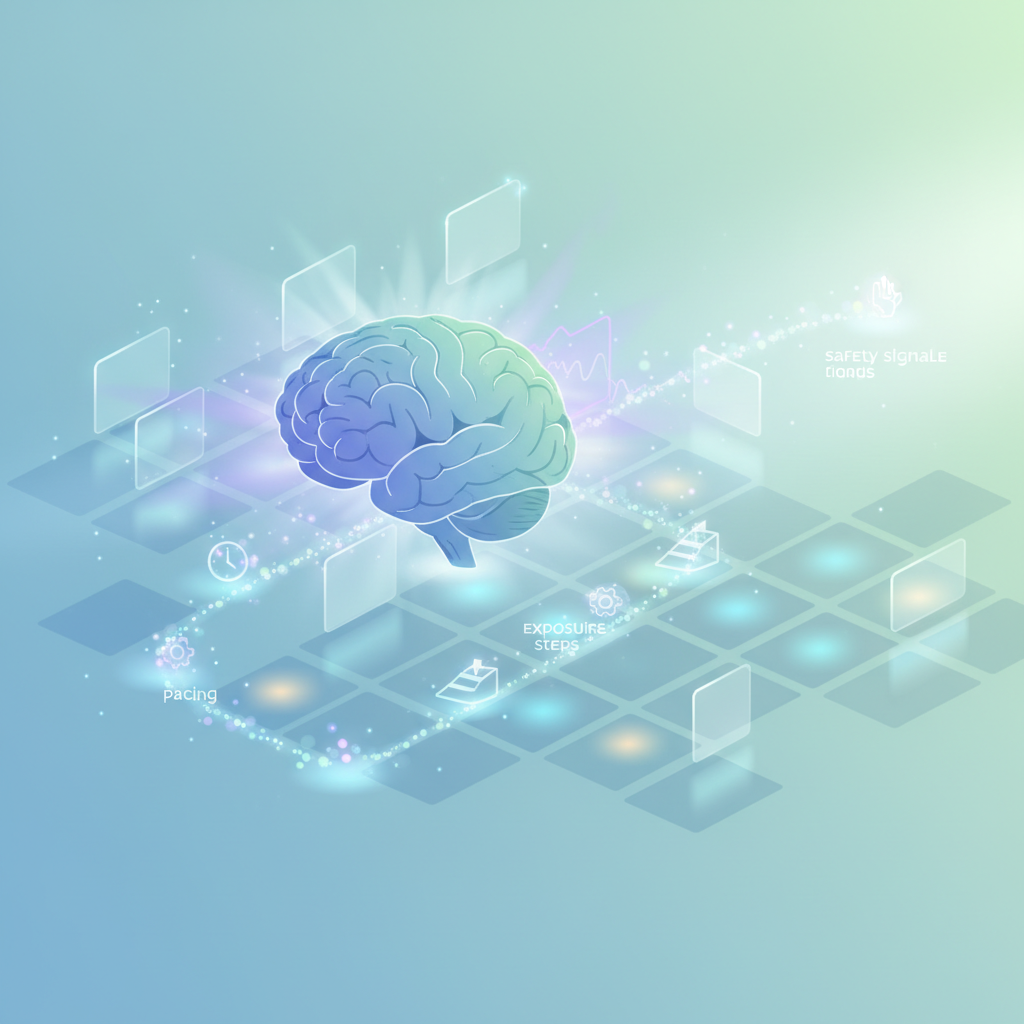
A screen rehab guide for light sensitivity after concussion, with pacing, settings, exposure steps, and safety signals.
EyeRehab - VOR Training Team
Published on June 5, 2026
Listen to this article
Natural Language Narration · 10 min
Quick answer
Why does light sensitivity happen after concussion, and how should screen exposure be rebuilt?
Light sensitivity (photophobia) after concussion occurs because the brain's visual processing pathways are disrupted, creating a metabolic energy crisis that makes it hyper-reactive to visual stimuli. Impairment of the vestibular-ocular reflex further increases cognitive load. Screen exposure should be rebuilt gradually using symptom-limited intervals, environmental modifications like bias lighting and Dark Mode, and structured pacing such as the 20-20-20 rule. Clinical guidelines favor early, targeted visual activity over prolonged rest. Sudden worsening of light sensitivity or new visual symptoms requires emergency medical evaluation, per CDC guidance.
Reviewed on June 5, 2026
Understanding Light Sensitivity After Concussion
Experiencing light sensitivity after concussion is one of the most common and frustrating parts of the recovery process. Medically known as photophobia, this condition can make everyday environments feel overwhelming and force you to retreat into dark rooms. Whether you are an athlete navigating return-to-play protocols or an office worker trying to get back to your routine, understanding why your eyes hurt in bright light after a head injury is the first step toward reclaiming your daily life.
Why Does Light Sensitivity Happen After Concussion?
Light sensitivity happens after a concussion because the trauma disrupts the complex network of nerves and brain pathways responsible for processing visual information.
When you experience a head injury, the brain undergoes a metabolic energy crisis. It loses its ability to efficiently process sensory inputs. The eyes are essentially an extension of the brain, and the visual system requires a massive amount of brain energy to function properly. After a concussion, the brain becomes hyper-reactive to visual stimuli.
Furthermore, a concussion frequently affects the vestibular system—the inner ear and brain structures that control balance and spatial orientation. Your brain relies on seamless communication between your vestibular (balance) system and your ocular (vision) system. When the vestibular-ocular reflex (VOR) is impaired, your brain has to work overtime to keep your vision stable. This immense cognitive effort quickly exhausts the brain’s processing capacity, causing normal levels of light to feel agonizing and triggering symptoms like dizziness, headaches, and eye strain.
When Is Light Sensitivity a Red Flag?
While mild to moderate photophobia is a standard symptom of a concussion, a sudden, severe worsening of light sensitivity—or the onset of new visual symptoms—can be a red flag requiring immediate medical evaluation.
According to the CDC’s concussion recovery guidance, while most symptoms resolve over time, certain developments indicate a more serious injury that needs urgent attention. You should seek emergency medical care if your light sensitivity is accompanied by any of the following red flags:
- Worsening, severe headache that does not respond to over-the-counter pain relief
- Repeated vomiting or increasing nausea
- Slurred speech or profound confusion
- Inability to wake up or extreme drowsiness
- Weakness or numbness in the arms or legs
- Loss of consciousness
- Pupils that are unequal in size
If you are recovering at home and notice that your eyes hurt in bright light after head injury to a degree that is steadily worsening rather than gradually improving, it is essential to consult your healthcare provider for a comprehensive evaluation.
Post Concussion Light Sensitivity Treatment: Rebuilding Screen Exposure
Rebuilding screen exposure after a concussion requires a gradual, systematic approach known as visual pacing and progressive loading. Attempting to abruptly return to a full day of computer work will often trigger a symptom flare-up and set your recovery back.
According to clinical guidelines, including those from the Ontario Neurotrauma Foundation, early introduction of targeted, symptom-limited aerobic and visual activities is preferred over prolonged complete rest. Here is a step-by-step guide to safely reintroducing screens:
Step 1: Optimize Your Environment
Before turning on a screen, control your lighting. Do not work in a pitch-black room, as the high contrast between a bright screen and a dark room will strain your eyes. Instead, use ambient lighting behind or around the screen. Bias lighting (a soft light placed behind the monitor) reduces eye fatigue. Turn down the brightness on your devices, use blue-light-blocking filters, and switch your devices to “Dark Mode.”
Step 2: Implement the 20-20-20 Rule
When you begin using screens, strict time management is essential. Practice the 20-20-20 rule: Every 20 minutes, look at something 20 feet away for 20 seconds. This simple habit allows the focusing muscles in your eyes to relax. If 20 minutes is too long, start with 10-minute intervals.
Step 3: Use Symptom-Limited Intervals
Post concussion light sensitivity treatment relies on pushing your visual system just enough to promote healing, but not so much that it triggers severe symptoms. Use a symptom tracking tool to monitor your headache, dizziness, and brain fog. If your symptoms increase by more than 2 points on a 10-point scale during screen use, it is time to stop and rest your eyes.
Step 4: Gradually Increase Visual Load
As your tolerance improves, slowly increase your screen time. You can also introduce printed visual exercises, like scanning exercises or convergence training, to strengthen the eye muscles before demanding heavy digital screen time.
Rehabilitating Your Visual-Vestibular System
Treating light sensitivity often requires addressing underlying vestibular and visual dysfunctions through targeted exercises. Because the visual and vestibular systems are so deeply connected, rehabilitating one helps the other.
If your brain is struggling to process light and movement, vestibular rehabilitation is often prescribed. This includes specific exercises to retrain the brain:
- Gaze Stabilization (VOR x1 and x2 exercises): These exercises train your eyes to stay focused on a target while your head is moving. Strengthening the vestibular-ocular reflex reduces the visual motion sensitivity that often accompanies photophobia.
- Smooth Pursuits and Saccades: These are the foundational eye movements. Saccades (jumping the eyes from target to target) and smooth pursuits (tracking a moving target) help restore the mechanical efficiency of the eyes, reducing the cognitive load required to process visual data.
- Optokinetic Training: Gradually exposing the brain to moving visual patterns (like scrolling on a screen or moving through a busy environment) helps desensitize the visual system to motion and light.
- Convergence Exercises: Concussions often cause convergence insufficiency, where the eyes struggle to work together to focus on near objects. This makes reading and screen use incredibly difficult. Retraining this skill is vital for screen tolerance.
- Balance Training: Incorporating static and dynamic balance exercises while focusing on a visual target forces the brain to integrate visual and vestibular signals efficiently, promoting overall neurological recovery.
Practical Tips for Managing Photophobia and Concussion
While you are actively rehabilitating your visual system, modifying your daily habits can significantly reduce the burden of a photophobia concussion:
- Choose the Right Eyewear: Consider wearing FL-41 tinted glasses (often rose or FL-41 colored), which are specifically designed to block the wavelengths of light that most commonly trigger visual stress. Standard sunglasses are helpful outdoors, but avoid wearing dark sunglasses indoors, as this can keep your brain overly sensitive to normal indoor lighting.
- Audit Your Diet and Hydration: Dehydration and poor nutrition can exacerbate concussion symptoms, including headaches and eye strain. Maintain consistent hydration throughout the day.
- Prioritize Sleep: The brain heals during sleep. Sleep disturbances are highly common after a concussion and can drastically lower your threshold for light tolerance.
- Modify Your Workstation: Ensure your monitor is at arm’s length and the top of the screen is at or slightly below eye level. Increase the font size on your screens so your eyes don’t have to work as hard to focus.
Key Takeaways
- Light sensitivity after concussion occurs because the brain’s visual processing centers and vestibular pathways are overstimulated and fatigued.
- Severe, sudden worsening of photophobia, especially when paired with unequal pupils, slurred speech, or extreme confusion, is a medical red flag requiring immediate emergency care.
- Recovering from screens after concussion requires a graded approach: optimize your lighting, limit screen time with the 20-20-20 rule, and stop before your symptoms spike.
- Treating underlying vestibular and visual dysfunctions through VOR training, saccades, and convergence exercises is a highly effective, evidence-based way to improve visual endurance.
Start Your Recovery with EyeRehab - VOR Training
Navigating post concussion light sensitivity treatment can be complex, but you don’t have to do it alone. The EyeRehab - VOR Training app is designed specifically to guide you through vestibular and concussion recovery right from your mobile device.
With targeted exercises for VOR x1 and x2, smooth pursuits, saccades, and convergence, the app provides the exact visual and vestibular rehabilitation protocols recommended by healthcare professionals. You can safely rebuild your screen tolerance using our built-in symptom tracking features, ensuring you stay within a safe therapeutic range while challenging your brain to heal.
If you are struggling with dizziness, visual instability, or light sensitivity, let EyeRehab help you take control of your recovery journey.
Medical Disclaimer: This content is for informational purposes only and does not constitute medical advice, diagnosis, or treatment. Always seek the advice of your physician or other qualified healthcare provider with any questions you may have regarding a medical condition. If you think you may have a medical emergency, immediately call your doctor or dial emergency services.
Frequently Asked Questions
Why does light sensitivity happen after concussion?
Concussion disrupts the brain's visual processing pathways and triggers a metabolic energy crisis, making the brain hyper-reactive to light. The vestibular-ocular reflex is often impaired, forcing the brain to work harder to stabilize vision. This increased cognitive load causes normal light levels to trigger headaches, dizziness, and eye strain.
How should screen exposure be rebuilt after concussion?
Rebuild screen exposure gradually using environmental controls like ambient bias lighting and reduced brightness, then introduce symptom-limited intervals. Follow the 20-20-20 rule and stop if symptoms increase by more than 2 points on a 10-point scale. Slowly increase duration as tolerance improves. Clinical guidelines recommend targeted, symptom-limited activity over prolonged complete rest.
When is light sensitivity a red flag after concussion?
Seek emergency medical care if light sensitivity is accompanied by worsening severe headache, repeated vomiting, slurred speech, extreme drowsiness, weakness or numbness, loss of consciousness, or unequal pupil size. A steady worsening of photophobia rather than gradual improvement also warrants prompt evaluation by a healthcare provider, per CDC concussion guidance.
Tags
Written by
EyeRehab - VOR Training Team
Expert insights on vestibular rehabilitation and eye health.
Related Articles
Concussion Symptoms Come Back With Exercise
Explain exercise-related concussion symptom flares, pacing rules, and when symptom return needs reassessment.
EyeRehab - VOR Training Team
July 6, 2026
Blurry Vision After Concussion: Exercises That Help
A practical guide to blurry vision after concussion, including common causes, exercise categories, and when to seek a focused exam.
EyeRehab - VOR Training Team
June 5, 2026
Brain Fog After Concussion and Visual Fatigue
Explore how visual fatigue can feed brain fog after concussion and how pacing, eye exercises, and load management can help.
EyeRehab - VOR Training Team
June 5, 2026