Vertige cervical vs vertige vestibulaire
Comparer les étourdissements d'origine cervicale et les étourdissements vestibulaires afin que les tableaux symptomatiques puissent guider des choix d'évaluation et de rééducation plus sûrs.
EyeRehab - VOR Training Team
Publié le 5 juin 2026
Écouter cet article
Narration Kokoro-MLX · 7 min
Réponse courte
Can neck problems cause dizziness?
Compare neck-related dizziness and vestibular dizziness so symptom patterns can guide safer assessment and rehab choices.
Révisé le 5 juin 2026
Can Neck Problems Cause Dizziness?
Experiencing dizziness can be disorienting, especially when the root cause is not immediately clear. If you are recovering from a concussion or dealing with persistent neck pain, you might be surprised to learn that your cervical spine could be the culprit.
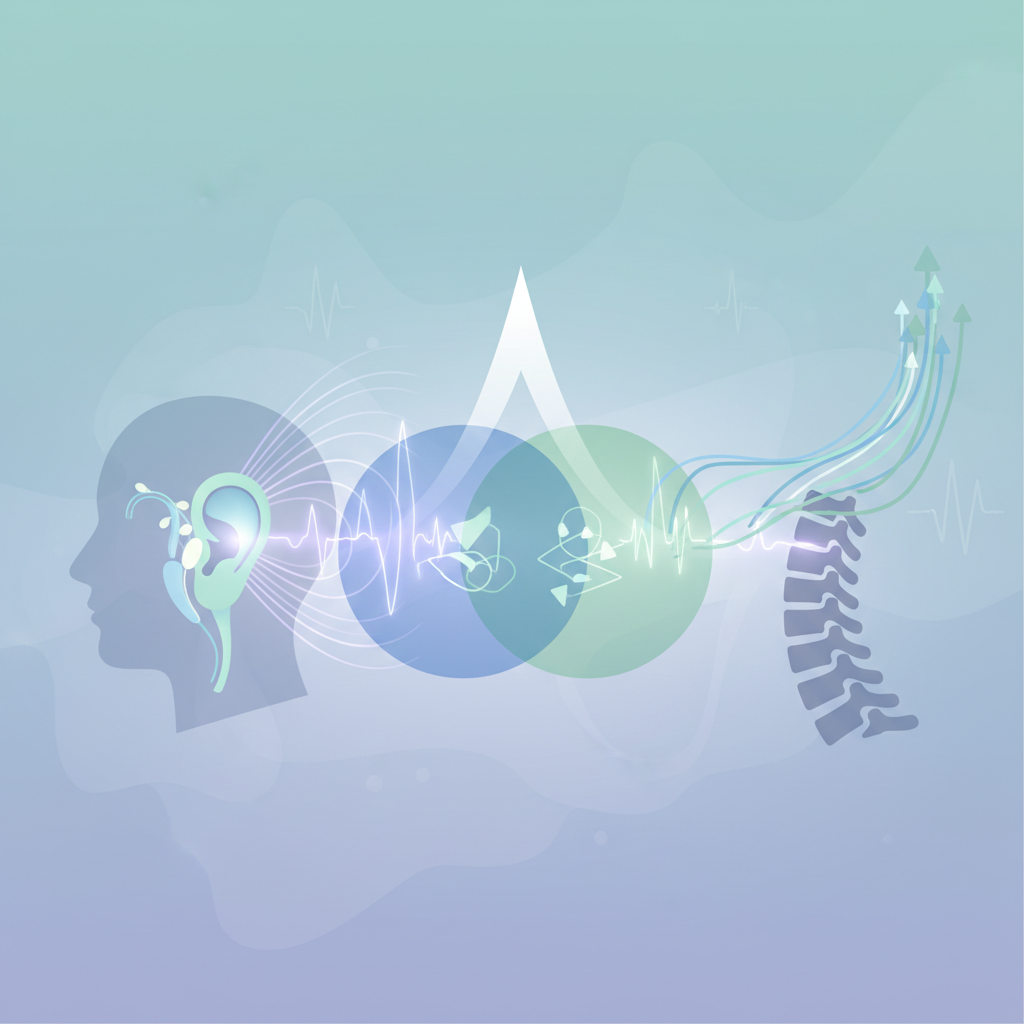
Yes, neck problems can directly cause dizziness. This condition is medically recognized as cervicogenic dizziness. It occurs when there is a dysfunction in the joints, muscles, or nerves of the upper cervical spine (the neck). These structures contain sensory receptors that send vital information about head position and movement to the brain. When these signals are disrupted or altered due to neck injury or tension, the brain receives conflicting information, resulting in a sensation of unsteadiness or dizziness.
Historically referred to as cervical vertigo, cervicogenic dizziness is a common, yet often overlooked, consequence of whiplash, neck trauma, and sports-related concussions.
How is Cervicogenic Dizziness Different From Vestibular Dizziness?
Cervicogenic dizziness differs from vestibular dizziness primarily in its root cause and the specific type of symptoms experienced. Vestibular dizziness originates from a dysfunction in the inner ear or the vestibular nerve, frequently causing a strong, false sensation of spinning (vertigo). In contrast, dizziness from neck problems typically causes a sense of imbalance, floating, or general unsteadiness without the true spinning sensation.
Understanding the distinction between the two is essential for proper treatment:
- Vestibular Dizziness: Often caused by inner ear disorders like BPPV (Benign Paroxysmal Positional Vertigo), vestibular neuritis, or Meniere’s disease. Symptoms are triggered by changes in head position or visual movement, and often include violent spinning, severe nausea, and involuntary rapid eye movements (nystagmus).
- Cervicogenic Dizziness: Usually follows neck trauma, stiffness, or degenerative joint issues. The dizziness is closely tied to neck movements or sustained neck postures. People often describe feeling “disoriented” or “off-balance” rather than spinning. Nystagmus is typically absent, but neck pain and restricted range of motion are prominent.
What Signs Suggest a Mixed Pattern of Dizziness?
A mixed pattern of dizziness is suggested when a patient experiences symptoms of both inner ear dysfunction and cervical spine dysfunction simultaneously. This overlapping presentation is highly common following traumatic injuries, such as a concussion or severe whiplash.
Because the brain relies on a delicate balance of signals from the vestibular system (inner ear), the visual system (eyes), and the proprioceptive system (neck and body) to maintain equilibrium, an injury to the head and neck can disrupt multiple systems at once. You might be experiencing a mixed pattern if you notice the following signs:
- You experience true spinning vertigo (vestibular) alongside a persistent background feeling of unsteadiness that worsens when your neck is tight or painful (cervical).
- Your dizziness is triggered by both moving your head quickly (vestibular) and staying in a single posture, like looking down at a computer screen, for too long (cervical).
- You have visual disturbances, such as difficulty focusing your eyes when moving your head, paired with tension headaches radiating from the base of your skull.
Because of this overlap, healthcare professionals often recommend a comprehensive approach that addresses both the cervical spine and the vestibular system to ensure a full recovery.
Causes and Symptoms of Cervicogenic Dizziness
Cervicogenic dizziness is caused by altered or abnormal sensory input from the proprioceptors (sensory receptors) in the upper cervical spine to the brain. When the neck’s ability to accurately track where the head is in space is compromised, dizziness ensues.
Common causes include:
- Whiplash and Trauma: Rapid back-and-forth movement of the neck, commonly seen in car accidents or contact sports.
- Concussions: A traumatic brain injury often involves concurrent strain to the cervical spine and the vestibular system.
- Postural Dysfunction: Chronic forward head posture or “tech neck” that places excessive strain on the upper cervical joints.
- Degenerative Changes: Conditions like cervical spondylosis (osteoarthritis of the neck) or degenerative disc disease.
The symptoms of cervicogenic dizziness are often vague but closely linked to neck discomfort. They include:
- A sensation of floating, swimming, or heavy-headedness
- Unsteadiness or imbalance when walking or standing
- Dizziness that intensifies with specific neck movements or prolonged static postures
- Associated neck pain, stiffness, or muscle spasms
- Headaches originating from the base of the skull
Treatment Options and Neck Exercises for Dizziness
Treatment for cervicogenic dizziness requires a multifaceted approach that addresses both the cervical spine and the resulting balance deficits. Evidence-based clinical practice guidelines emphasize vestibular rehabilitation and physical therapy as primary interventions.
Effective treatment strategies include:
- Cervical Physical Therapy: A physical therapist will guide you through targeted neck exercises for dizziness, including gentle mobilization, stretching, and deep neck flexor strengthening to restore normal range of motion and reduce pain.
- Postural Retraining: Correcting forward head posture to alleviate chronic stress on the cervical joints and muscles.
- Vestibular-Ocular Reflex (VOR) Training: When dizziness from neck problems affects your visual stability, VOR exercises (gaze stabilization) are crucial. They help retrain the brain to coordinate head and eye movements smoothly, compensating for faulty neck signals.
- Balance and Habituation Exercises: Gradual exposure to movements and visual environments that trigger dizziness, alongside static and dynamic balance training, helps the brain adapt and desensitize.
Note: Always consult with a healthcare professional before beginning any new exercise regimen. A proper evaluation is necessary to rule out red flags, such as vertebral artery dissection or severe inner ear conditions.
Key Takeaways
- Yes, neck problems can cause dizziness. This condition is known as cervicogenic dizziness and stems from altered sensory signals in the upper neck.
- Cervical vs. Vestibular: Vestibular dizziness usually presents as true spinning (vertigo) and stems from the inner ear. Cervicogenic dizziness feels more like general unsteadiness, imbalance, or floating, and is accompanied by neck pain or stiffness.
- Mixed Patterns are Common: Following a concussion or whiplash, it is common to experience a mix of both cervical and vestibular dizziness, requiring a comprehensive treatment plan.
- Targeted Rehab Works: A combination of manual neck therapy, posture correction, VOR training, and balance exercises is the standard approach for relieving symptoms.
Start Your Recovery with EyeRehab
Navigating recovery from cervicogenic dizziness or a concussion requires consistent, targeted rehabilitation. The EyeRehab - VOR Training app is designed to guide you through evidence-based exercises that improve visual stability, retrain the vestibular system, and help alleviate dizziness. With features like gaze stabilization (VOR x1 and x2), smooth pursuit training, and built-in symptom tracking, you can safely progress your recovery at home. Download the EyeRehab app today to take control of your balance and start feeling steady again.
Medical Disclaimer
This content is for informational and educational purposes only and does not constitute medical advice. It is not intended to diagnose, treat, cure, or prevent any disease or health condition. Always seek the guidance of your doctor, physical therapist, or other qualified health professional with any questions you may have regarding your health or a medical condition. If you experience sudden, severe dizziness, double vision, difficulty speaking, or numbness, seek emergency medical care immediately.
Questions fréquentes
Can neck problems cause dizziness?
Use symptom patterns, safety, and day-to-day function to decide the next step. Seek urgent care for danger signs, and ask a qualified clinician for guidance when symptoms are worsening, unsafe, unusual, or not improving.
How is cervicogenic dizziness different from vestibular dizziness?
Use symptom patterns, safety, and day-to-day function to decide the next step. Seek urgent care for danger signs, and ask a qualified clinician for guidance when symptoms are worsening, unsafe, unusual, or not improving.
What signs suggest a mixed pattern?
Use symptom patterns, safety, and day-to-day function to decide the next step. Seek urgent care for danger signs, and ask a qualified clinician for guidance when symptoms are worsening, unsafe, unusual, or not improving.
Étiquettes
Écrit par
EyeRehab - VOR Training Team
Expert insights on vestibular rehabilitation and eye health.
Articles similaires
PPPD (étourdissement postural-perceptuel persistant) : symptômes, déclencheurs et rééducation
Ce qu'est le PPPD, pourquoi l'étourdissement chronique persiste après la guérison du déclencheur, et comment une rééducation vestibulaire progressive aide à retrouver la stabilité.
EyeRehab - VOR Training Team
1 juillet 2026
Exercices d'équilibre à la marche après une commotion cérébrale
Un guide d'équilibre à la marche post-commotion cérébrale qui associe la démarche, les mouvements de la tête, la charge visuelle et une progression sécurisée.
EyeRehab - VOR Training Team
25 juin 2026
Exercices d'équilibre les yeux fermés : sécurité et progression
Expliquez comment les exercices d'équilibre les yeux fermés modifient la demande sensorielle et comment les faire évoluer en toute sécurité.
EyeRehab - VOR Training Team
20 juin 2026