How Concussions Impact Visual Processing & Recovery
Discover how concussions affect visual processing, learn key rehabilitation strategies, and understand the path to cognitive and visual recovery.
VOR Eye Rehab Team
Published on December 27, 2025

Listen to this article
Natural Language Narration · 3 min
What You’ll Learn in This Guide
In this comprehensive guide, you’ll discover:
- How concussions disrupt visual processing and brain function
- Common visual symptoms after a head injury
- Effective rehabilitation strategies for visual recovery
- Exercises that can help restore vestibular-ocular function
- Practical tips for managing concussion-related challenges
Understanding Concussion’s Impact on Visual Processing
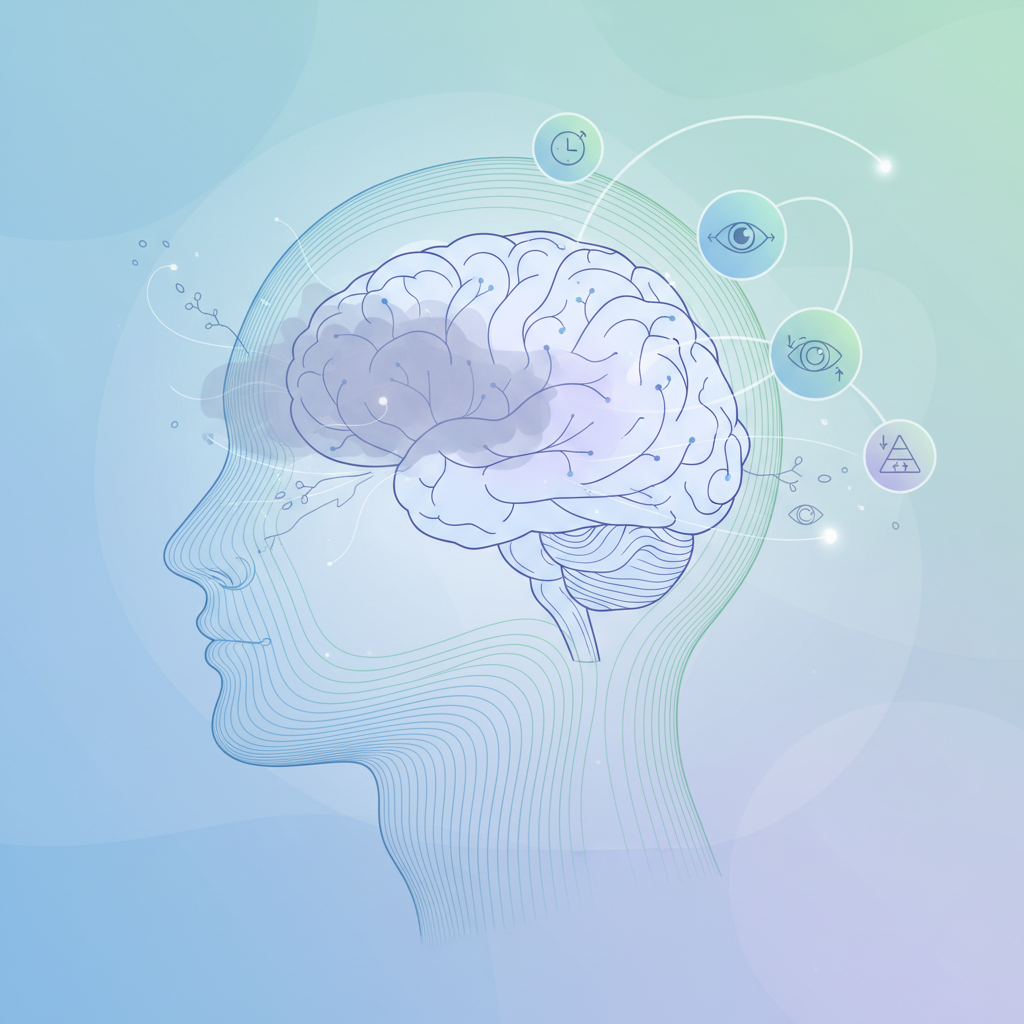
A concussion is more than just a temporary bump on the head—it’s a complex neurological event that can significantly disrupt your brain’s visual processing systems. When you experience a concussion, the delicate neural pathways responsible for eye movement, focus, and visual integration can become compromised.
Key visual processing areas affected include:
- Vestibular-ocular reflex (VOR)
- Smooth pursuit eye movements
- Saccadic eye tracking
- Visual-spatial perception
- Balance and coordination systems
Common Visual Symptoms After a Concussion
Patients often experience a range of visual disruptions, including:
- Blurred or fluctuating vision
- Difficulty focusing
- Increased eye strain
- Sensitivity to light
- Reduced depth perception
- Dizziness and balance problems
- Headaches triggered by visual stimuli
Rehabilitation Strategies for Visual Recovery
Vestibular-Ocular Reflex (VOR) Training
VOR exercises are crucial for retraining your brain’s ability to stabilize vision during head movement. These targeted exercises help:
- Improve gaze stability
- Reduce dizziness
- Restore eye-head coordination
- Enhance overall visual processing
Recommended Rehabilitation Approaches
- Gradual, progressive exercise protocols
- Personalized training based on individual symptoms
- Combination of in-clinic and at-home exercises
- Regular symptom and progress tracking
The Role of Specialized Rehabilitation Technology
Modern rehabilitation approaches leverage technology to provide precise, measurable recovery strategies. Digital platforms like VOR Eye Rehab offer:
- Customized exercise programs
- Real-time performance tracking
- Difficulty progression
- Symptom monitoring
Recovery Timeline and Expectations
Recovery from a concussion-related visual processing disorder varies by individual. Typical considerations include:
- Most patients see improvements within 4-12 weeks
- Consistent, targeted exercises are key
- Professional guidance is essential
- Patience and persistence are critical
Key Takeaways
- Concussions can significantly disrupt visual processing
- Targeted rehabilitation can help restore function
- Technology provides innovative recovery tools
- Professional medical guidance is crucial
Take the Next Step in Your Recovery
Ready to start your visual rehabilitation journey? VOR Eye Rehab offers personalized, evidence-based exercises designed to support your recovery. Download the app and begin your path to improved visual health.
Medical Disclaimer: This content is for informational purposes only and is not a substitute for professional medical advice. Always consult a healthcare provider for personalized guidance.
Tags
Written by
VOR Eye Rehab Team
Expert insights on vestibular rehabilitation and eye health.
Related Articles

Concussion Symptoms Come Back With Exercise
Explain exercise-related concussion symptom flares, pacing rules, and when symptom return needs reassessment.
EyeRehab - VOR Training Team
July 6, 2026

Blurry Vision After Concussion: Exercises That Help
A practical guide to blurry vision after concussion, including common causes, exercise categories, and when to seek a focused exam.
EyeRehab - VOR Training Team
June 5, 2026
Brain Fog After Concussion and Visual Fatigue
Explore how visual fatigue can feed brain fog after concussion and how pacing, eye exercises, and load management can help.
EyeRehab - VOR Training Team
June 5, 2026