Concussion Treatment Options Compared: Match Therapy to Symptoms
Compare concussion treatment options by symptom pattern: vestibular rehab, vision therapy, cervical physiotherapy, aerobic exercise, cognitive support, and when to seek urgent care.
EyeRehab - VOR Training Team
Published on June 4, 2026
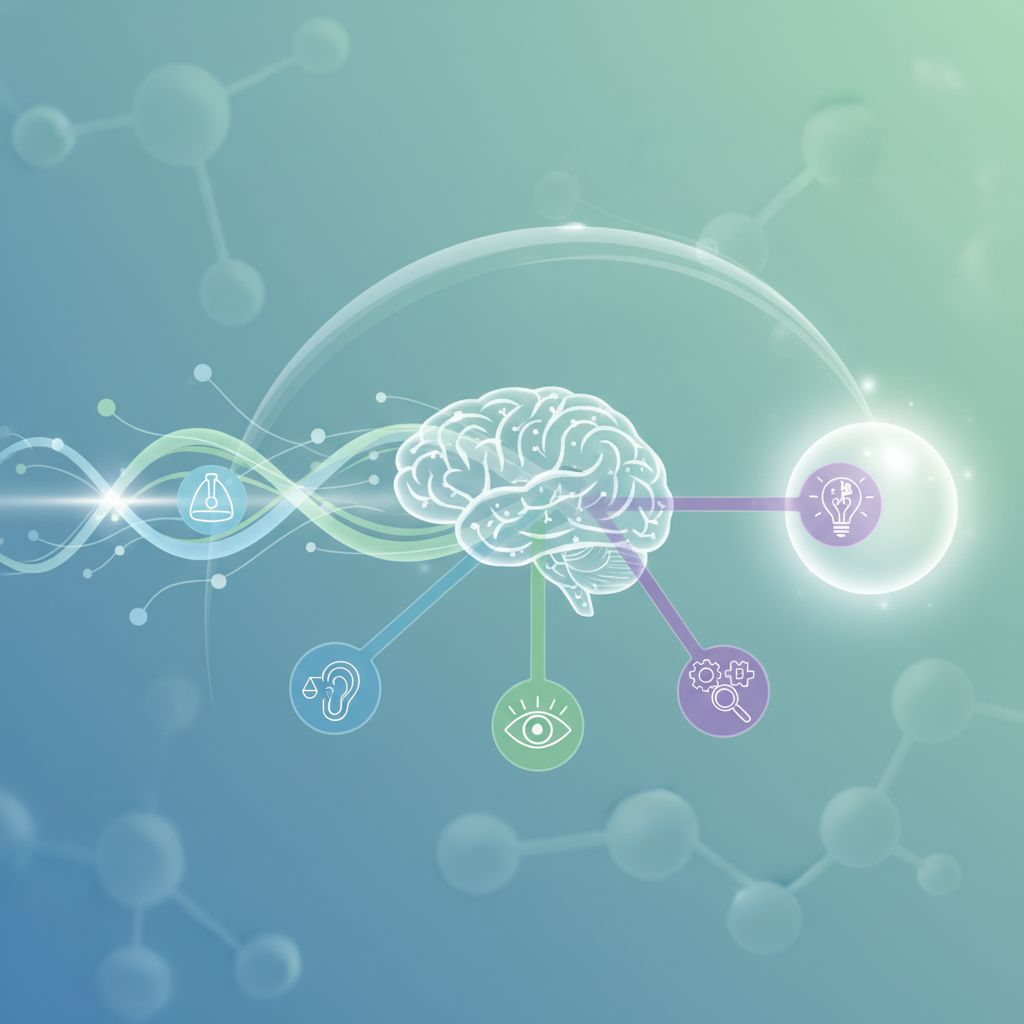
Listen to this article
Natural Language Narration · 13 min
Quick answer
What treatments are available for post concussion syndrome?
There is no single best concussion treatment. The useful choice depends on the symptom driver: dizziness and balance problems may need vestibular rehab, reading or double-vision symptoms may need vision care, neck-linked headache may need cervical physiotherapy, exercise intolerance may need subsymptom aerobic work, and prolonged mixed symptoms may need coordinated care.
Reviewed on June 4, 2026
Most concussion treatment comparisons start in the wrong place. They ask, “Which therapy works best?” as if dizziness, headache, reading intolerance, poor sleep, anxiety, neck pain, and exercise intolerance are all the same problem.
A more useful question is: Which system is still limiting recovery, and what treatment matches that pattern?
This guide compares common concussion treatment options by the job they are meant to do. It is not a diagnosis tool. Use it to make the next clinical conversation more specific.
First: The Treatment Decision Has a Safety Gate
Before comparing therapies, rule out the situations where self-management is the wrong frame. Seek emergency medical care after a head injury if symptoms include a worsening headache that does not go away, repeated vomiting, weakness, numbness, decreased coordination, seizures, slurred speech, unusual behavior, one pupil larger than the other, loss of consciousness, extreme drowsiness, or inability to wake.
That safety gate matters because a vestibular drill, vision exercise, walking program, or tracking app is not the answer to a worsening neurological picture.
What Treatments Are Available for Post Concussion Syndrome?
Post concussion syndrome treatment is usually symptom-based. The treatment is chosen after a clinician identifies what is still driving the problem: vestibular, visual, cervical, headache, sleep, mood, cognitive, autonomic, medication-related, or mixed.
Common options include:
- Education and monitoring: understanding the expected recovery pattern, tracking symptoms, and knowing when to escalate care.
- Relative rest followed by graded activity: reducing load early, then easing back into normal activity instead of staying inactive for weeks.
- Subsymptom aerobic exercise: walking, cycling, or other cardiovascular work prescribed below the threshold that causes a large or prolonged flare.
- Vestibular rehabilitation: gaze-stabilization, habituation, balance, and visual-motion exercises for dizziness, imbalance, motion sensitivity, or blurry vision with head movement.
- Vision rehabilitation: assessment and exercises for convergence, accommodation, saccades, pursuits, double vision, reading difficulty, eye strain, or photosensitivity.
- Cervical physiotherapy: assessment and treatment when neck pain, whiplash, cervicogenic headache, or neck-position symptoms are part of the picture.
- Headache, sleep, and medication management: targeted medical care when migraine-like headache, insomnia, medication side effects, or pain cycles block progress.
- Mental health support: treatment for anxiety, depression, irritability, avoidance, or fear of symptom flares that can amplify disability.
- Cognitive or occupational therapy: support for attention, memory, school, work, screen tolerance, scheduling, pacing, and return-to-role planning.
The important detail: these treatments are not interchangeable. A person with brief spinning when rolling in bed needs a different next step than a person who gets eye strain after two minutes of reading.
Concussion Treatment Options Compared
| Symptom pattern | Treatment to ask about | Why it may help | Common failure mode |
|---|---|---|---|
| Brief room-spinning with rolling, looking up, or bending | BPPV screening and canalith repositioning | Post-traumatic BPPV can cause short positional vertigo | Treating it like generic dizziness and only doing balance drills |
| Dizziness, nausea, imbalance, or blurry vision with head turns | Vestibular rehabilitation | Trains gaze stability, motion tolerance, and balance | Doing exercises too fast or too long, then flaring symptoms for the rest of the day |
| Eye strain, double vision, reading problems, screen intolerance | Vision assessment and vision rehabilitation | Targets eye teaming, focusing, tracking, and visual tolerance | Assuming 20/20 visual acuity means the visual system is fine |
| Headache or dizziness linked to neck pain or head position | Cervical physiotherapy, often combined with vestibular work | Treats neck contribution after the same impact that caused the concussion | Working only on the eyes or inner ear while the neck keeps feeding bad position signals |
| Symptoms spike with exertion, stairs, walking, or heart rate | Subsymptom aerobic exercise plan | Rebuilds activity tolerance without repeated crashes | ”Pushing through” until symptoms last into the next day |
| Brain fog, sleep disruption, anxiety, low mood, avoidance | Coordinated medical, mental health, cognitive, or occupational support | Reduces barriers that prevent participation in rehab | Treating physical exercises as the only lever |
This is the core comparison: vestibular therapy, vision therapy, aerobic exercise, and cognitive support each solve a different problem. The best plan may combine several, but the sequence matters.
Does Vestibular Therapy Help Concussion Recovery?
Yes, vestibular therapy can help concussion recovery when the remaining problem is vestibular or vestibular-ocular. The strongest clues are dizziness, imbalance, vertigo, nausea with movement, blurry vision when the head moves, difficulty walking in busy places, or symptoms provoked by visual motion such as traffic, crowds, scrolling, or patterned floors.
Vestibular rehabilitation usually includes three kinds of work:
- Adaptation exercises: for example, VOR x1 or VOR x2 gaze-stabilization drills that train the eyes to stay fixed while the head moves.
- Habituation exercises: repeated, controlled exposure to movements or visual scenes that provoke symptoms, with the goal of reducing sensitivity.
- Substitution and balance exercises: using visual, body-position, and balance strategies while gradually making stance, surface, head movement, or environment more difficult.
Useful principle: the exercise should usually provoke mild, short-lived symptoms, not a major crash. If a drill takes dizziness from 2/10 to 8/10 and the flare lasts all afternoon, the speed, duration, target distance, background, posture, or total daily load probably needs to be adjusted.
Risky shortcut: choosing vestibular therapy just because symptoms have lasted a long time. Persistent symptoms still need pattern matching. A person whose main issue is insomnia and migraine-like headache may not improve by adding more VOR drills.
Vision Therapy vs Vestibular Therapy
Vision therapy and vestibular therapy overlap because the eyes and inner ear work together during movement. They are still not the same treatment.
Vision therapy is more likely to be relevant when:
- reading brings on headache, eye strain, nausea, or fatigue
- double vision or blurred near vision appears
- screens are harder than conversation or walking
- words seem to move, jump, or lose place on the page
- convergence, accommodation, saccades, or pursuits are abnormal on assessment
Vestibular therapy is more likely to be relevant when:
- head movement brings on dizziness or visual blur
- walking, turning, stairs, or busy environments are difficult
- balance feels unreliable
- symptoms include positional spinning, motion sensitivity, or visual-motion sensitivity
- VOR, balance, or vestibular-ocular screening is abnormal
Correct framing: “My symptoms are worse when I read and when I turn my head quickly. Do I need both vision and vestibular screening?”
Less useful framing: “Should I pick vision therapy or vestibular therapy?” Many post-concussion cases are mixed. The better question is which system should be assessed first, which treatment should be started now, and which symptom change would prove the plan is working.
What Is the Best Treatment for Prolonged Concussion Symptoms?
The best treatment for prolonged concussion symptoms is usually a coordinated, symptom-based plan. The Living Concussion Guidelines emphasize monitoring people who do not follow the expected recovery pattern and identifying potentially treatable symptoms. They also recommend referral to interdisciplinary concussion services when symptoms persist beyond one month.
In practice, that means the “best” treatment is not necessarily the most advanced one. It is the one that removes the current bottleneck.
Examples:
- If dizziness is brief and positional, the bottleneck may be BPPV assessment and repositioning.
- If headache, neck pain, and dizziness persist together, the bottleneck may be cervicovestibular rehabilitation.
- If the person can read only a few lines before symptoms spike, the bottleneck may be visual function and screen pacing.
- If walking or light exercise causes prolonged crashes, the bottleneck may be aerobic threshold, sleep, autonomic symptoms, or medication review.
- If fear of relapse has made life very small, the bottleneck may be graded exposure with mental health support.
For prolonged symptoms, “try harder” is a poor plan. “Find the limiting system and dose the exposure carefully” is more actionable.
A Practical Sequence for Recovery Decisions
Use this sequence as a conversation guide with a healthcare professional.
- Check safety first. Red flags or worsening neurological symptoms need urgent care.
- Name the top two symptoms. Dizziness, headache, neck pain, visual strain, sleep, mood, memory, and exercise intolerance point to different pathways.
- Name the trigger. Symptoms during reading are different from symptoms while rolling in bed, walking through a store, turning the head, or raising heart rate.
- Measure the dose. Record intensity from 0 to 10, how long symptoms last, and what helps them settle.
- Ask for a targeted screen. Vestibular/Ocular Motor Screening, vision assessment, cervical assessment, exertion testing, medication review, and sleep or mood screening answer different questions.
- Choose one or two interventions at a time. Starting five new therapies at once makes it hard to know what is helping or hurting.
- Progress only when recovery is expanding. The useful sign is not zero symptoms every day; it is more tolerance, faster settling, and fewer next-day setbacks.
Concussion Recovery Strategies You Can Use at Home
Home strategy should support the clinical plan, not replace assessment when symptoms are severe, unusual, worsening, or unsafe.
Track triggers, not just symptoms. “Dizzy today” is vague. “Dizziness 4/10 after 90 seconds of horizontal head turns, settled in 10 minutes” is useful.
Respect the 24- to 48-hour rest window without cocooning. CDC guidance supports rest early, often no more than one or two days away from work or school, followed by gradual return to regular activities as tolerated.
Use mild symptom increase as information. A small, brief increase can be part of graded rehab. A large or prolonged flare means the dose was too high.
Separate screen load from physical load. A person may tolerate walking but not spreadsheets, or conversation but not scrolling. Treat them as different exposures.
Keep the clinician’s plan as the source of truth. At-home VOR, saccades, smooth pursuits, convergence, optokinetic, balance, or aerobic work should match the symptoms being treated.
How EyeRehab Fits Into a Treatment Plan
EyeRehab is most useful when a clinician has identified that home vestibular or eye-movement practice belongs in the plan. The app can structure VOR x1, VOR x2, saccades, smooth pursuits, convergence, optokinetic, and balance work while tracking symptoms such as dizziness, brain fog, headache, eye strain, and nausea.
Its role is not to diagnose a concussion, rule out red flags, or replace a vestibular therapist, neuro-optometrist, physician, or concussion clinic. Its role is to make the between-visit work more consistent and easier to measure.
That distinction matters. Concussion recovery often improves through repeated, measured exposure. The exposure has to be specific enough to train the right system and conservative enough that symptoms settle instead of snowballing.
Key Takeaways
- The best concussion treatment depends on the symptom pattern, not the name of the injury.
- Vestibular therapy can help when dizziness, imbalance, gaze instability, or visual motion sensitivity are part of the problem.
- Vision therapy is different from vestibular therapy and is more relevant when reading, focusing, eye teaming, or screen tolerance is the limiting issue.
- Prolonged symptoms often need coordinated care across vestibular, visual, cervical, aerobic, headache, sleep, mood, cognitive, and occupational domains.
- A good recovery plan measures triggers, dose, symptom duration, and functional tolerance instead of relying on generic “rest more” or “push through it” advice.
Medical Disclaimer
This blog post is for informational purposes only and does not constitute medical advice, diagnosis, or treatment. Always seek the advice of your physician or another qualified health provider with questions about a medical condition. Seek urgent care after a head injury if symptoms are severe, worsening, unsafe, or include neurological danger signs.
Frequently Asked Questions
What treatments are available for post concussion syndrome?
Common options include education and monitoring, graded return to activity, subsymptom aerobic exercise, vestibular rehabilitation for dizziness or balance problems, vision rehabilitation for eye-movement or reading symptoms, cervical physiotherapy for neck-linked symptoms, headache and sleep management, mental health support, and cognitive or occupational therapy when work or school function is affected.
Does vestibular therapy help concussion recovery?
Vestibular therapy can help when concussion symptoms include dizziness, imbalance, gaze instability, visual motion sensitivity, or vertigo. It is not the right first answer for every concussion symptom, and it should be matched to the clinical pattern rather than chosen just because symptoms have lasted a long time.
What is the best treatment for prolonged concussion symptoms?
The best approach is usually symptom-based and coordinated. A clinician should identify the main drivers, such as vestibular, vision, cervical, headache, sleep, mood, cognitive, autonomic, or medication factors, then treat the most limiting and most treatable problems first.
Tags
Written by
EyeRehab - VOR Training Team
Expert insights on vestibular rehabilitation and eye health.
Related Articles
Concussion Symptoms Come Back With Exercise
Explain exercise-related concussion symptom flares, pacing rules, and when symptom return needs reassessment.
EyeRehab - VOR Training Team
July 6, 2026
Blurry Vision After Concussion: Exercises That Help
A practical guide to blurry vision after concussion, including common causes, exercise categories, and when to seek a focused exam.
EyeRehab - VOR Training Team
June 5, 2026
Brain Fog After Concussion and Visual Fatigue
Explore how visual fatigue can feed brain fog after concussion and how pacing, eye exercises, and load management can help.
EyeRehab - VOR Training Team
June 5, 2026