Anxiety After Concussion: FAQs on Causes & Coping
Can a concussion cause anxiety? Learn why post concussion anxiety happens, how long it lasts, and evidence-based strategies to manage it during recovery.
EyeRehab - VOR Training Team
Published on May 23, 2026
Listen to this article
Natural Language Narration · 8 min
Quick answer
Can a concussion cause anxiety?
Can a concussion cause anxiety? Learn why post concussion anxiety happens, how long it lasts, and evidence-based strategies to manage it during recovery.
Reviewed on May 23, 2026
Understanding Anxiety After Concussion
Experiencing anxiety after concussion is a common yet frequently overlooked part of the recovery process. While most people expect physical symptoms like headaches or dizziness, changes in mood and mental health are equally prevalent. Understanding why this happens—and knowing that your emotional responses are valid—can help you navigate your healing journey with greater confidence and control.
Can a concussion cause anxiety?
Yes, a concussion can directly cause anxiety. A concussion is a mild traumatic brain injury (mTBI) that temporarily alters how your brain cells function. According to the CDC, emotional changes—including heightened anxiety, sadness, and irritability—are standard clinical symptoms following a head injury. The physical trauma initiates a complex neurobiological response that can leave you feeling constantly on edge, even if you have never experienced anxiety before.
Why do I feel anxious after my head injury?
Feeling anxious after a head injury occurs due to a combination of neurological, physiological, and psychological factors.
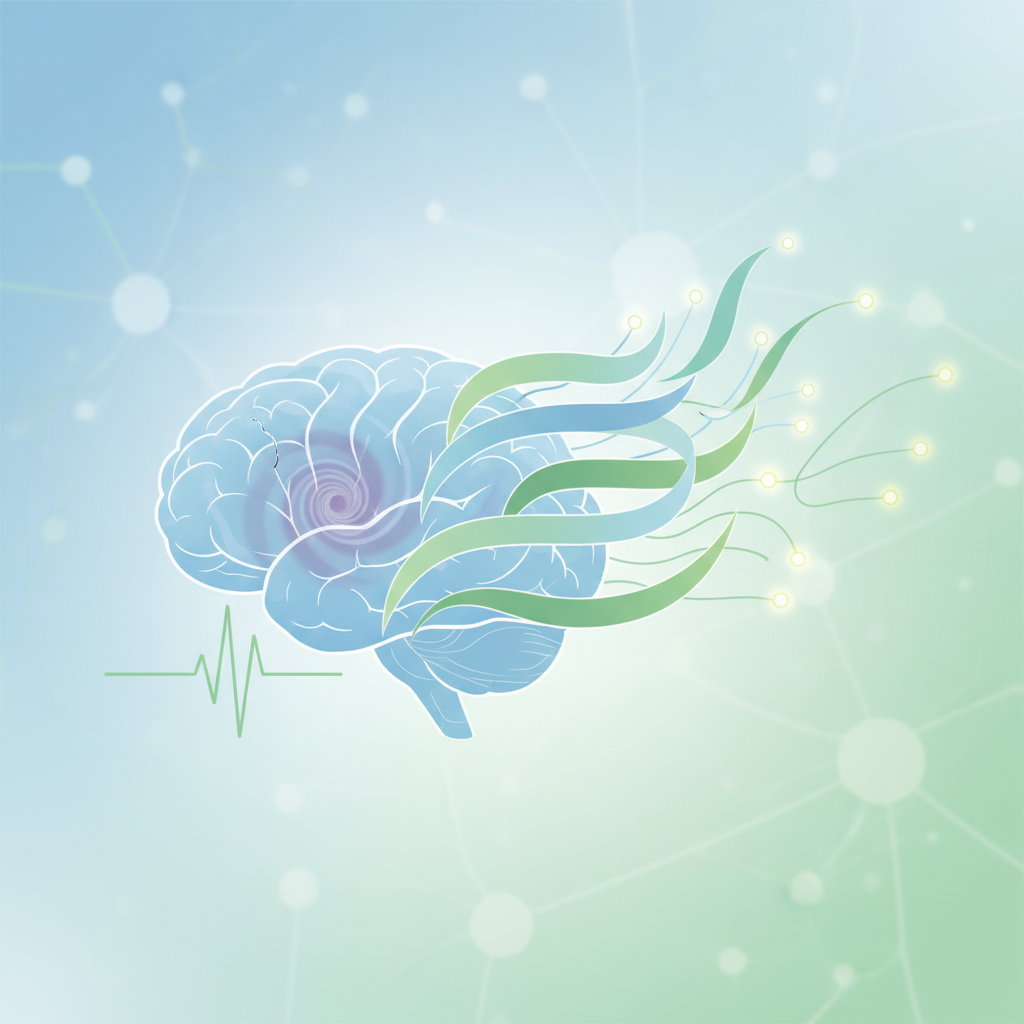
When the brain is injured, it triggers a sudden surge of stress hormones as it attempts to protect itself and heal. Additionally, if your concussion affects your vestibular system (your inner ear and balance center) or your visual system, your brain receives conflicting sensory signals. When your eyes and inner ear tell your brain two different things about your position in space, your brain interprets this sensory mismatch as a threat, triggering a fight-or-flight response.
Other reasons you may feel anxious include:
- Autonomic nervous system dysfunction: The brain’s ability to regulate automatic functions like heart rate and breathing can be temporarily disrupted.
- Psychological impact: The fear of reinjury, the stress of pausing your daily life, and the frustration of lingering symptoms can all contribute to post concussion anxiety.
- Energy depletion: Concentrating through brain fog or visual noise takes immense cognitive effort, leaving your nervous system exhausted and reactive.
Is anxiety a normal part of concussion recovery?
Yes, anxiety is a completely normal and expected part of concussion recovery. Developing concussion mental health symptoms does not mean you are weak, nor does it mean your injury is permanently worsening. It is simply your brain’s natural response to trauma, inflammation, and the stress of healing. Recognizing that this emotional shift is a temporary physiological response can help reduce the secondary stress of worrying about the anxiety itself.
How long does anxiety last after a concussion?
For most people, anxiety after concussion gradually improves within the first few weeks as the brain naturally heals. However, if the anxiety is tied to untreated vestibular or visual dysfunctions, it may persist for months. Because everyone’s brain heals at a different pace, timelines can vary. If your anxiety persists beyond the initial few weeks, targeted rehabilitation (such as vestibular therapy) and mental health support are highly effective in resolving these lingering symptoms.
Can vestibular issues cause panic attacks after head injury?
Yes, untreated vestibular issues are a common trigger for sudden panic attacks after head injury. Your vestibular system controls your balance and spatial orientation. When a concussion disrupts this system, normal environments—like a busy grocery store, scrolling on a smartphone, or sitting in a moving car—can cause intense dizziness or visual vertigo.
Because your brain cannot make sense of these dizzy spells, it misinterprets the physical distress as imminent danger. This sudden spike in adrenaline leads to a panic attack. Retraining the brain through vestibular and balance exercises is often key to breaking this cycle.
How do you manage anxiety with post concussion syndrome?
Managing post concussion anxiety requires a whole-body approach that addresses both the mind and the physical root causes of the stress. Effective management strategies include:
- Vestibular and Visual Rehabilitation: Using targeted exercises to correct the sensory mismatch between your eyes and inner ear helps stop physical dizzy spells at their source, naturally calming the nervous system.
- Symptom Tracking: Monitoring your daily symptoms helps you identify specific triggers and pace yourself appropriately.
- Stress Management Techniques: Deep diaphragmatic breathing, mindfulness, and progressive muscle relaxation help shift your nervous system out of fight-or-flight mode.
- Gradual Return to Activity: Under the guidance of a healthcare professional, slowly reintroducing physical and cognitive activities helps build your brain’s tolerance without overwhelming it.
What role does vestibular therapy play in concussion mental health?
Vestibular therapy plays a crucial role in improving concussion mental health by directly resolving the physical triggers of anxiety. When your balance and visual systems are impaired, your brain operates in a constant state of high alert.
Structured exercises—such as VOR (vestibular-ocular reflex) x1 and x2 training, smooth pursuits, and saccades—help stabilize your gaze and restore balance. As your visual stability improves and the sensory mismatch disappears, your brain no longer needs to rely on its alarm system. Vestibular therapy effectively tells your brain, “We are safe,” which drastically reduces daily anxiety.
When should I seek help for post concussion anxiety?
You should seek professional help for post concussion anxiety if your symptoms begin to interfere with your daily life, worsen over time, or if you experience severe panic attacks.
Red flags that indicate it is time to consult a healthcare provider include:
- Anxiety that prevents you from returning to work, school, or social activities.
- A persistent feeling of dread or hopelessness.
- The development of new, severe, or worsening symptoms.
- Feeling completely overwhelmed by your recovery journey.
A multidisciplinary team—including a physical therapist, a vestibular specialist, and a mental health counselor—can work together to create a personalized, evidence-based recovery plan.
Key Takeaways
- Anxiety is a recognized symptom: It is a standard neurological and physiological response to a brain injury, not a personal failing.
- The vestibular-anxiety connection: Inner ear and visual dysfunction after a concussion can cause sensory mismatch, which your brain misinterprets as danger, triggering anxiety and panic.
- Recovery timelines vary: While acute anxiety often improves within weeks, persistent anxiety requires targeted treatment to resolve.
- Targeted rehab helps: Gaze stabilization, balance training, and VOR exercises help recalibrate the brain, reducing the physical triggers that cause anxiety.
- Seek professional guidance: If anxiety is disrupting your life, reaching out to a vestibular specialist or mental health professional is a critical step forward.
Take the Next Step in Your Recovery with EyeRehab
Calming your nervous system starts with healing your physical symptoms. The EyeRehab - VOR Training app is designed to guide you through clinically-backed vestibular-ocular reflex exercises, balance training, and gaze stabilization routines right from your phone. By safely retraining your brain’s visual and vestibular connections, you can reduce dizzy spells, overcome sensory overload, and take control of your recovery. Download EyeRehab today and start tracking your progress toward better balance and peace of mind.
Medical Disclaimer
This content is for informational and educational purposes only and does not constitute medical advice, diagnosis, or treatment. Always seek the advice of your physician, physical therapist, or other qualified healthcare provider with any questions you may have regarding a medical condition or concussion recovery. Never disregard professional medical advice or delay in seeking it because of something you have read in this blog.
Frequently Asked Questions
Can a concussion cause anxiety?
Use symptom patterns, safety, and day-to-day function to decide the next step. Seek urgent care for danger signs, and ask a qualified clinician for guidance when symptoms are worsening, unsafe, unusual, or not improving.
Why do I feel anxious after my head injury?
Use symptom patterns, safety, and day-to-day function to decide the next step. Seek urgent care for danger signs, and ask a qualified clinician for guidance when symptoms are worsening, unsafe, unusual, or not improving.
How do you manage anxiety with post concussion syndrome?
Use symptom patterns, safety, and day-to-day function to decide the next step. Seek urgent care for danger signs, and ask a qualified clinician for guidance when symptoms are worsening, unsafe, unusual, or not improving.
Tags
Written by
EyeRehab - VOR Training Team
Expert insights on vestibular rehabilitation and eye health.
Related Articles
Concussion Symptoms Come Back With Exercise
Explain exercise-related concussion symptom flares, pacing rules, and when symptom return needs reassessment.
EyeRehab - VOR Training Team
July 6, 2026
Blurry Vision After Concussion: Exercises That Help
A practical guide to blurry vision after concussion, including common causes, exercise categories, and when to seek a focused exam.
EyeRehab - VOR Training Team
June 5, 2026
Brain Fog After Concussion and Visual Fatigue
Explore how visual fatigue can feed brain fog after concussion and how pacing, eye exercises, and load management can help.
EyeRehab - VOR Training Team
June 5, 2026