Vestibular Therapy for Post-Traumatic Stress & Dizziness
Explore the connection between PTSD, vestibular disorders, and how targeted rehabilitation can help manage neurological symptoms and balance issues.
VOR Eye Rehab Team
Published on January 14, 2026
Listen to this article
Natural Language Narration · 4 min
What You’ll Learn
- The complex relationship between PTSD and vestibular symptoms
- How trauma impacts neurological processing and balance
- Rehabilitation strategies for managing vestibular and neurological challenges
- Evidence-based approaches to recovery and symptom management
Understanding the PTSD-Vestibular Connection
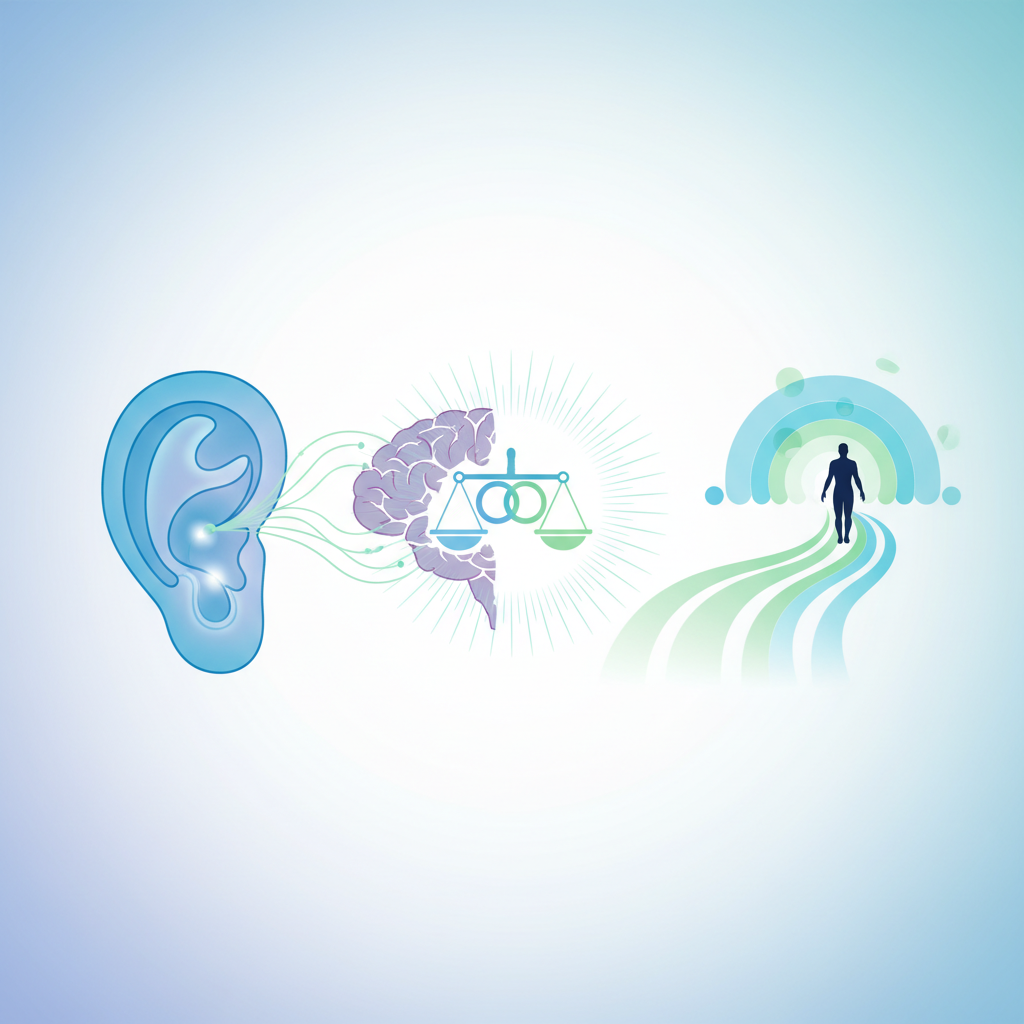
Post-traumatic stress disorder (PTSD) is more than an emotional condition—it profoundly affects the entire nervous system, including vestibular and balance functions. Trauma can trigger significant neurological changes that disrupt:
- Sensory processing
- Spatial orientation
- Neuromotor coordination
- Stress response systems
The brain’s heightened state of alertness during PTSD can create persistent physiological stress, which directly impacts vestibular system functioning. This means individuals may experience:
- Chronic dizziness
- Balance instability
- Heightened sensitivity to movement
- Increased risk of falls
- Cognitive processing challenges
Neurological Mechanisms of Trauma and Vestibular Dysfunction
When trauma occurs, the brain’s intricate neural networks can become dysregulated. This disruption affects multiple interconnected systems:
- Autonomic Nervous System
- Heightened sympathetic response
- Increased cortisol and stress hormone production
- Reduced ability to self-regulate
- Vestibular-Ocular Reflex
- Impaired gaze stabilization
- Reduced eye movement precision
- Compromised spatial awareness
- Proprioceptive Processing
- Decreased body position awareness
- Reduced balance control
- Increased risk of spatial disorientation
Targeted Rehabilitation Strategies
Effective rehabilitation requires a holistic, multisystem approach that addresses both neurological and vestibular components:
Vestibular Exercises
- Gaze stabilization training
- Saccadic eye movement exercises
- Smooth pursuit tracking
- Balance challenge progressions
Neurological Regulation Techniques
- Controlled breathing exercises
- Mindfulness-based stress reduction
- Gradual exposure therapy
- Cognitive reframing strategies
Integrated Approach Benefits
- Improved neural plasticity
- Enhanced sensory integration
- Reduced symptom intensity
- Increased functional independence
Practical Recovery Recommendations
For individuals experiencing PTSD-related vestibular challenges:
- Consult multidisciplinary professionals
- Start with gentle, supervised rehabilitation
- Practice consistent, progressive exercises
- Monitor and track symptom changes
- Prioritize holistic wellness
Key Takeaways
- PTSD significantly impacts vestibular and neurological functioning
- Targeted rehabilitation can help manage complex symptoms
- A comprehensive, patient-centered approach is essential
- Recovery is possible with consistent, professional guidance
Get Started with Targeted Rehabilitation
The VOR Eye Rehab app offers specialized exercises designed to support vestibular recovery and neurological retraining. Our evidence-based approach helps you regain confidence and functional stability.
[Download Now and Begin Your Recovery Journey]
Medical Disclaimer
This content is for informational purposes only and is not a substitute for professional medical advice. Always consult healthcare providers for personalized treatment recommendations.
Tags
Written by
VOR Eye Rehab Team
Expert insights on vestibular rehabilitation and eye health.
Related Articles
PPPD (Persistent Postural-Perceptual Dizziness): Symptoms, Triggers, and Rehab
What PPPD is, why chronic dizziness lingers after the trigger has healed, and how graded vestibular rehab helps you get steady again.
EyeRehab - VOR Training Team
July 1, 2026
Walking Balance Exercises After Concussion
A post-concussion walking balance guide that links gait, head movement, visual load, and safe progression.
EyeRehab - VOR Training Team
June 25, 2026
Balance Exercises With Eyes Closed: Safety and Progression
Explain how eyes-closed balance exercises change sensory demand and how to progress them safely.
EyeRehab - VOR Training Team
June 20, 2026