Vestibular Symptoms in Aging: Prevention & Management
Learn how aging impacts vestibular function, key symptoms to watch, and effective strategies for maintaining balance and preventing falls.
VOR Eye Rehab Team
Published on December 30, 2025
Listen to this article
Natural Language Narration · 3 min
What You’ll Learn
- How aging affects vestibular function
- Common vestibular symptoms in older adults
- Risk factors for balance disorders
- Practical strategies for maintaining vestibular health
- Exercises to improve balance and reduce fall risk
Understanding Vestibular Changes with Age
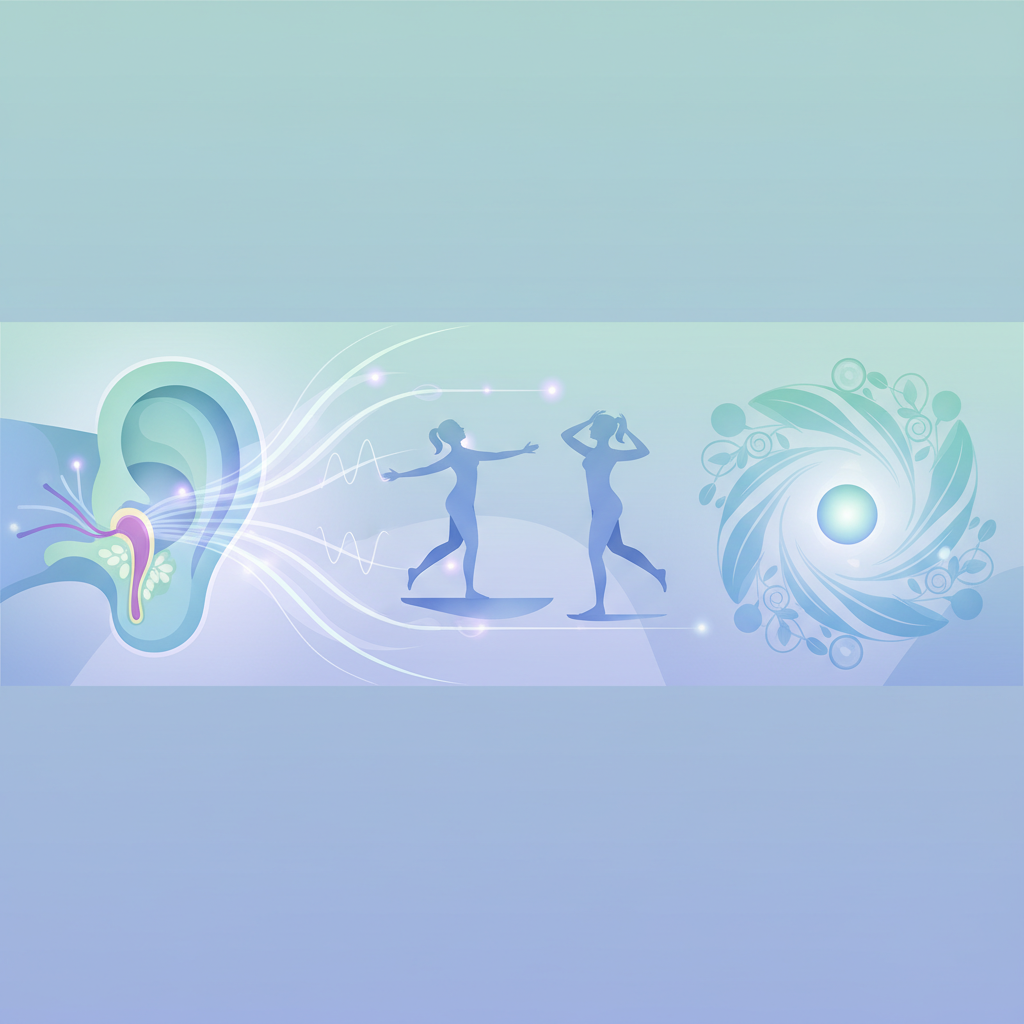
As we get older, our vestibular system naturally experiences significant changes that can impact balance, spatial orientation, and overall mobility. The inner ear’s sensory structures gradually lose sensitivity, which means:
- Reduced hair cell function in the vestibular system
- Decreased nerve signal transmission
- Slower processing of balance and movement information
- Increased vulnerability to dizziness and disorientation
These physiological changes don’t mean losing independence—they simply require proactive management and targeted rehabilitation.
Common Vestibular Symptoms in Older Adults
Recognizing early warning signs is crucial for preventing potential complications. Watch for:
- Frequent dizziness or vertigo
- Unexplained balance problems
- Increased fall risk
- Spatial disorientation
- Reduced confidence during movement
- Visual instability during head movements
Key Risk Factors for Balance Disorders
Several interconnected factors can accelerate vestibular decline:
- Chronic medical conditions (diabetes, hypertension)
- Medication side effects
- Neurological disorders
- Previous head injuries
- Sedentary lifestyle
- Muscle weakness
- Vision changes
Effective Strategies for Vestibular Health
Exercise and Rehabilitation
- Targeted vestibular rehabilitation exercises
- Balance training programs
- Strength and flexibility work
- Regular cardiovascular activity
Lifestyle Modifications
- Maintain consistent sleep schedule
- Stay hydrated
- Manage stress levels
- Regular vision and hearing checks
- Minimize fall hazards at home
Recommended Exercises for Balance Improvement
- Gaze stabilization exercises
- Single-leg standing
- Heel-to-toe walking
- Gentle head movement sequences
- Controlled eye tracking activities
When to Seek Professional Help
Consult a healthcare provider if you experience:
- Persistent dizziness
- Frequent falls
- Sudden balance changes
- Unexplained vertigo
- Vision or hearing disruptions
Key Takeaways
- Vestibular changes are normal with aging
- Proactive management can significantly improve quality of life
- Regular exercise and rehabilitation are essential
- Professional guidance is crucial for personalized care
Take Control of Your Vestibular Health
The VOR Eye Rehab app offers personalized vestibular and balance training designed to support your recovery and maintain independence. Download now to start your journey toward better balance and confidence.
Medical Disclaimer
This information is for educational purposes and is not a substitute for professional medical advice. Always consult your healthcare provider for personalized recommendations.
Tags
Written by
VOR Eye Rehab Team
Expert insights on vestibular rehabilitation and eye health.
Related Articles
PPPD (Persistent Postural-Perceptual Dizziness): Symptoms, Triggers, and Rehab
What PPPD is, why chronic dizziness lingers after the trigger has healed, and how graded vestibular rehab helps you get steady again.
EyeRehab - VOR Training Team
July 1, 2026
Walking Balance Exercises After Concussion
A post-concussion walking balance guide that links gait, head movement, visual load, and safe progression.
EyeRehab - VOR Training Team
June 25, 2026
Balance Exercises With Eyes Closed: Safety and Progression
Explain how eyes-closed balance exercises change sensory demand and how to progress them safely.
EyeRehab - VOR Training Team
June 20, 2026