Vestibular Rehabilitation for Post-Concussion Dizziness
Learn how targeted vestibular rehabilitation can effectively reduce dizziness and improve balance after a concussion, supporting faster recovery.
VOR Eye Rehab Team
Published on December 29, 2025
Listen to this article
Natural Language Narration · 4 min
What You’ll Learn About Vestibular Rehabilitation After a Concussion
By the end of this article, you’ll understand:
- How concussions impact your vestibular system
- Why dizziness and balance problems occur after head injuries
- The role of targeted rehabilitation exercises
- Strategies for effective recovery
- How specialized training can help restore visual and balance function
Understanding Post-Concussion Vestibular Challenges
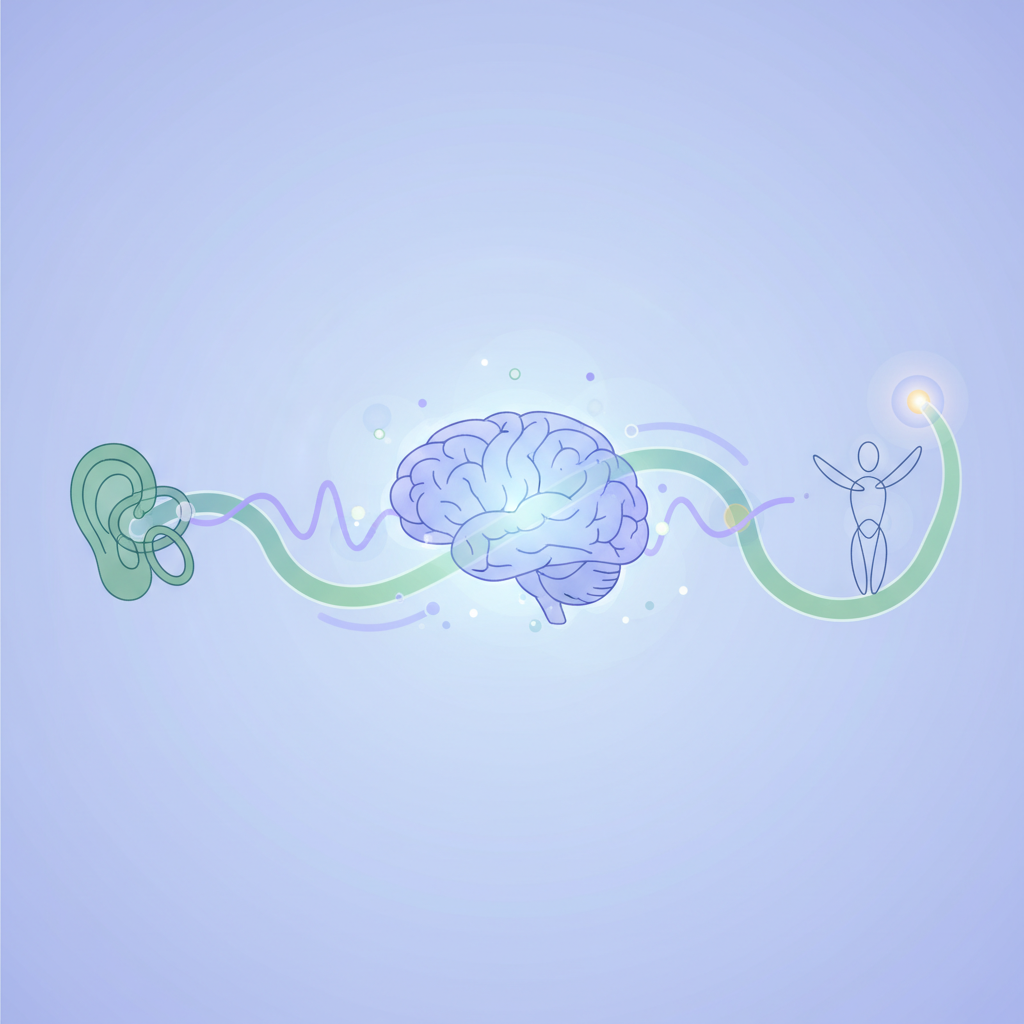
A concussion isn’t just a temporary headache—it’s a complex brain injury that can significantly disrupt your vestibular system. This intricate network coordinates balance, spatial orientation, and eye movement, helping you navigate the world smoothly and confidently.
When a concussion occurs, the delicate communication between your brain, inner ear, and visual system becomes compromised. This disruption can lead to:
- Persistent dizziness
- Visual instability
- Reduced balance and coordination
- Difficulty concentrating
- Increased risk of falls
How Vestibular Rehabilitation Supports Recovery
Vestibular rehabilitation is a specialized, targeted approach designed to retrain your brain and restore optimal function. Unlike generic rest-and-recover strategies, these exercises actively help your nervous system adapt and heal.
Key rehabilitation techniques include:
- Gaze stabilization exercises
- Visual tracking training
- Balance retraining
- Sensory integration techniques
Gaze Stabilization: Restoring Visual Clarity
Gaze stabilization exercises help your eyes maintain focus during head movement, a critical skill often impaired after a concussion. By practicing controlled eye and head movements, you can:
- Reduce visual motion sensitivity
- Improve visual tracking
- Decrease dizziness and disorientation
- Enhance overall spatial awareness
The Science Behind Vestibular Rehabilitation
Research consistently demonstrates the effectiveness of targeted rehabilitation. Patients who engage in structured vestibular training often experience:
- Faster symptom resolution
- Improved neurological recovery
- Reduced risk of long-term complications
- Enhanced quality of life
Personalized Progression: The Key to Effective Recovery
Every concussion is unique, which means rehabilitation should be equally personalized. A progressive approach allows you to:
- Start with gentle, low-intensity exercises
- Gradually increase difficulty as you improve
- Track your symptoms and progress
- Adapt training to your specific challenges
Key Takeaways
- Concussions disrupt your vestibular system’s delicate balance
- Targeted rehabilitation can significantly improve recovery
- Personalized, progressive exercises are most effective
- Professional guidance is crucial for safe, optimal recovery
Take the Next Step in Your Recovery
The VOR Eye Rehab app offers scientifically designed, personalized vestibular rehabilitation exercises. Track your progress, manage symptoms, and support your recovery journey—all from your mobile device.
Medical Disclaimer: This content is for informational purposes only and is not a substitute for professional medical advice. Always consult a healthcare provider for personalized guidance.
Tags
Written by
VOR Eye Rehab Team
Expert insights on vestibular rehabilitation and eye health.
Related Articles
Concussion Symptoms Come Back With Exercise
Explain exercise-related concussion symptom flares, pacing rules, and when symptom return needs reassessment.
EyeRehab - VOR Training Team
July 6, 2026
Blurry Vision After Concussion: Exercises That Help
A practical guide to blurry vision after concussion, including common causes, exercise categories, and when to seek a focused exam.
EyeRehab - VOR Training Team
June 5, 2026
Brain Fog After Concussion and Visual Fatigue
Explore how visual fatigue can feed brain fog after concussion and how pacing, eye exercises, and load management can help.
EyeRehab - VOR Training Team
June 5, 2026