Vestibular Disorders in Women: Hormonal Connections
Explore how hormonal changes affect vestibular health, symptoms, and rehabilitation strategies for women experiencing balance and dizziness issues.
VOR Eye Rehab Team
Published on December 28, 2025
Listen to this article
Natural Language Narration · 3 min
What You’ll Learn
- How hormonal fluctuations impact vestibular function
- Common vestibular symptoms related to hormonal changes
- Strategies for managing balance and dizziness
- Rehabilitation approaches for women experiencing vestibular challenges
- The importance of personalized treatment
The Hormonal Landscape of Vestibular Health
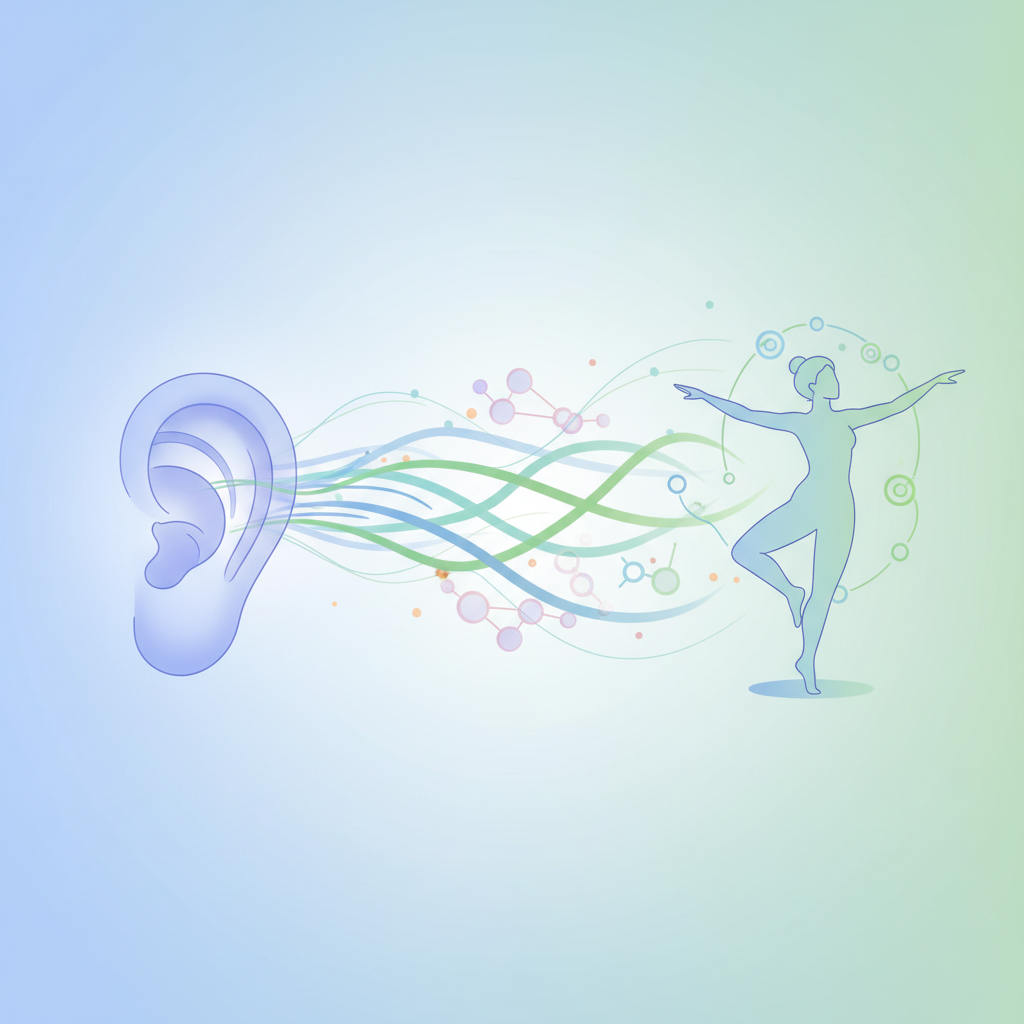
Hormonal changes can significantly influence a woman’s vestibular system, creating a complex interplay between reproductive hormones and balance regulation. Estrogen and progesterone, in particular, play crucial roles in neurological function and inner ear health.
Key Hormonal Phases Affecting Vestibular Function
- Menstrual Cycle
- Hormone fluctuations can trigger vestibular symptoms
- Increased likelihood of dizziness and balance disruptions
- Potential heightened sensitivity to vestibular triggers
- Pregnancy
- Dramatic hormonal shifts impact vestibular system
- Increased risk of:
- Benign paroxysmal positional vertigo (BPPV)
- Balance instability
- Spatial orientation changes
- Perimenopause and Menopause
- Declining estrogen levels affect inner ear function
- Higher prevalence of:
- Vestibular disorders
- Increased susceptibility to dizziness
- Reduced vestibular compensation mechanisms
Common Vestibular Symptoms in Women
Women may experience a range of vestibular symptoms related to hormonal changes:
- Intermittent dizziness
- Vertigo episodes
- Spatial disorientation
- Increased motion sensitivity
- Balance instability
- Cognitive disruptions (brain fog)
Rehabilitation and Management Strategies
Personalized Vestibular Rehabilitation Approaches
- Targeted Exercise Protocols
- Gaze stabilization exercises
- Saccadic eye movement training
- Balance retraining
- Habituation techniques
- Lifestyle and Holistic Management
- Stress reduction techniques
- Consistent sleep patterns
- Nutrition optimization
- Hormonal balance support
Technology-Assisted Rehabilitation
Modern rehabilitation tools like the VOR Eye Rehab app offer:
- Customized exercise progressions
- Symptom tracking
- Evidence-based training protocols
- Convenient at-home rehabilitation
Empowering Women’s Vestibular Health
Recommended Action Steps
- Consult healthcare professionals
- Track symptoms systematically
- Implement consistent rehabilitation
- Use supportive technologies
- Maintain open communication with providers
Key Takeaways
- Hormonal changes significantly impact vestibular function
- Personalized rehabilitation is crucial
- Technology can support recovery and management
- Professional guidance is essential
Ready to Take Control of Your Vestibular Health?
The VOR Eye Rehab app provides comprehensive, personalized vestibular rehabilitation exercises designed to support your unique journey.
Medical Disclaimer
This content is for informational purposes only and is not a substitute for professional medical advice, diagnosis, or treatment. Always consult your healthcare provider for personalized guidance.
Tags
Written by
VOR Eye Rehab Team
Expert insights on vestibular rehabilitation and eye health.
Related Articles
PPPD (Persistent Postural-Perceptual Dizziness): Symptoms, Triggers, and Rehab
What PPPD is, why chronic dizziness lingers after the trigger has healed, and how graded vestibular rehab helps you get steady again.
EyeRehab - VOR Training Team
July 1, 2026
Walking Balance Exercises After Concussion
A post-concussion walking balance guide that links gait, head movement, visual load, and safe progression.
EyeRehab - VOR Training Team
June 25, 2026
Balance Exercises With Eyes Closed: Safety and Progression
Explain how eyes-closed balance exercises change sensory demand and how to progress them safely.
EyeRehab - VOR Training Team
June 20, 2026