Sleep Deprivation's Impact on Vestibular Function
Discover how lack of sleep affects balance, dizziness, and vestibular system performance, and learn strategies for better recovery.
VOR Eye Rehab Team
Published on January 9, 2026
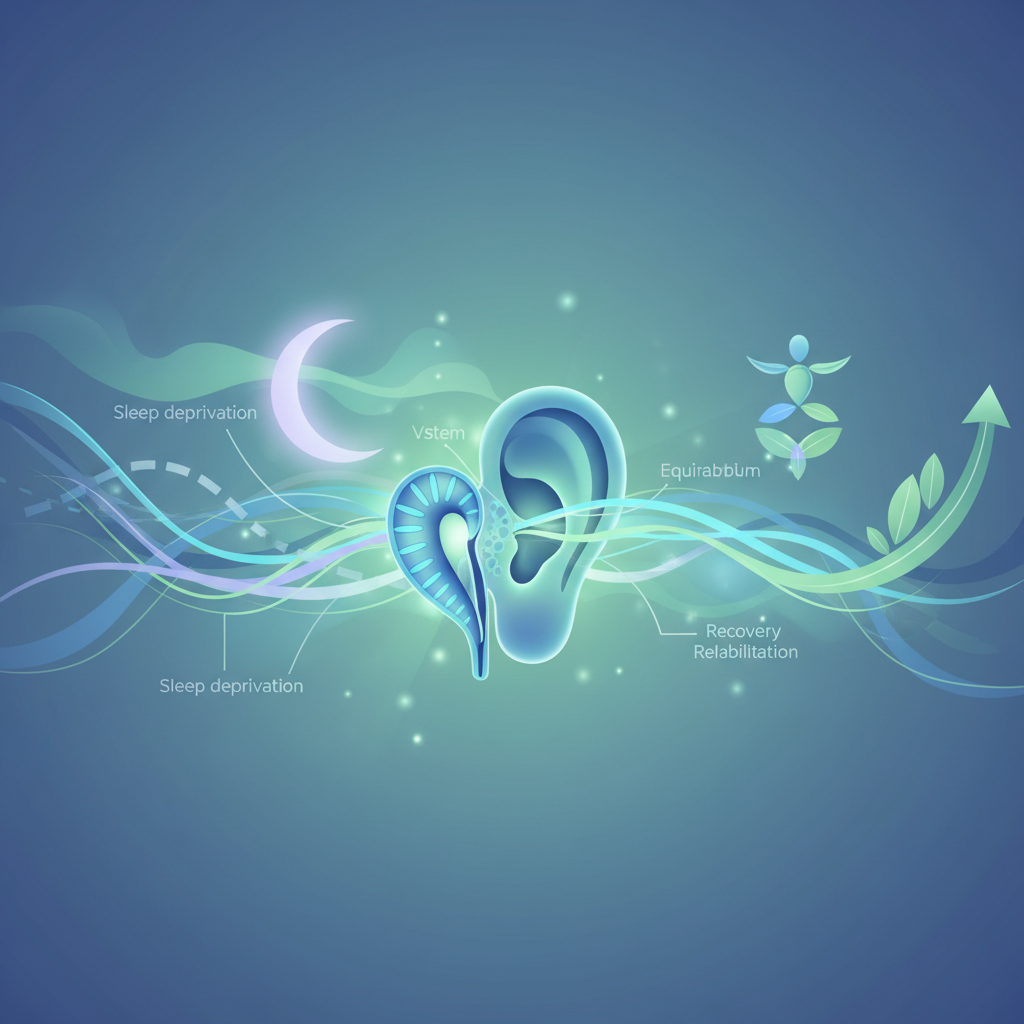
Listen to this article
Natural Language Narration · 3 min
What You’ll Learn
In this comprehensive guide, you’ll discover:
- How sleep deprivation directly impacts vestibular system performance
- The connection between poor sleep and balance disorders
- Strategies to improve sleep quality for better vestibular recovery
- Practical tips for managing dizziness and balance issues
The Vestibular System and Sleep: A Critical Connection
Sleep is not just a time of rest—it’s a crucial period of neurological repair and recalibration, especially for your vestibular system. When you’re sleep-deprived, your brain’s ability to process sensory information and maintain balance becomes significantly compromised.
How Sleep Deprivation Disrupts Vestibular Function
Your vestibular system relies on precise neurological communication between:
- Inner ear sensors
- Brain processing centers
- Visual and proprioceptive systems
Lack of sleep interrupts these delicate communication pathways, leading to:
- Reduced sensory integration
- Slower reaction times
- Decreased spatial awareness
- Increased risk of dizziness and falls
Neurological Impact of Sleep Deficiency
Cognitive and Sensory Processing Challenges
Sleep deprivation creates multiple neurological disruptions:
- Reduced neural plasticity
- Impaired neurotransmitter regulation
- Decreased brain cell regeneration
- Compromised sensory signal processing
These changes directly affect your vestibular system’s ability to:
- Maintain balance
- Process spatial orientation
- Respond quickly to environmental changes
Common Symptoms of Sleep-Related Vestibular Dysfunction
People experiencing sleep-related vestibular issues might notice:
- Persistent dizziness
- Increased vertigo episodes
- Difficulty maintaining balance
- Heightened sensitivity to motion
- Increased brain fog
- Slower reaction times
Strategies for Improving Sleep and Vestibular Recovery
Sleep Hygiene Recommendations
Implement these evidence-based strategies:
- Maintain a consistent sleep schedule
- Create a dark, quiet sleep environment
- Limit screen time before bed
- Practice relaxation techniques
- Avoid caffeine and alcohol close to bedtime
- Engage in regular, moderate exercise
Vestibular-Specific Recovery Techniques
- Practice gentle VOR exercises
- Use guided meditation for stress reduction
- Consider cognitive behavioral therapy
- Implement gradual sleep routine adjustments
Key Takeaways
- Sleep is crucial for vestibular system recovery
- Chronic sleep deprivation significantly impacts balance and spatial awareness
- Targeted strategies can help improve sleep quality and vestibular function
- Consistent, gentle rehabilitation is key to recovery
Recover Smarter with VOR Eye Rehab
Our app provides personalized vestibular rehabilitation exercises designed to support your recovery journey. Track your progress, manage symptoms, and regain confidence in your balance and visual stability.
[Download VOR Eye Rehab and start your recovery today]
Medical Disclaimer
This content is for informational purposes only and is not a substitute for professional medical advice. Always consult with a healthcare provider before starting any new rehabilitation program.
Tags
Written by
VOR Eye Rehab Team
Expert insights on vestibular rehabilitation and eye health.
Related Articles
PPPD (Persistent Postural-Perceptual Dizziness): Symptoms, Triggers, and Rehab
What PPPD is, why chronic dizziness lingers after the trigger has healed, and how graded vestibular rehab helps you get steady again.
EyeRehab - VOR Training Team
July 1, 2026
Walking Balance Exercises After Concussion
A post-concussion walking balance guide that links gait, head movement, visual load, and safe progression.
EyeRehab - VOR Training Team
June 25, 2026

Balance Exercises With Eyes Closed: Safety and Progression
Explain how eyes-closed balance exercises change sensory demand and how to progress them safely.
EyeRehab - VOR Training Team
June 20, 2026