Optokinetic Exercises for Dizziness: What to Know
Explain optokinetic exercises for dizziness, who they may help, and why graded dosing matters for visual motion sensitivity.
EyeRehab - VOR Training Team
Published on June 20, 2026
Listen to this article
Natural Language Narration · 8 min
Quick answer
What are optokinetic exercises for dizziness?
Optokinetic exercises are a vestibular rehabilitation technique that uses controlled, moving visual stimuli—such as scrolling stripes or moving targets—to retrain the brain's ability to process complex visual motion. They are primarily used for individuals whose dizziness is triggered by visually busy environments like grocery stores or scrolling screens. Exercises should be dosed progressively, provoking only mild to moderate symptoms—around a 3 or 4 out of 10—to promote neural adaptation without overstimulation. If dizziness worsens, persists, or is accompanied by red-flag neurological symptoms, consult a qualified clinician before continuing.
Reviewed on June 20, 2026
Finding Relief Through Visual Stimulation
Dizziness triggered by moving visual environments—like scrolling on a phone or walking through a busy grocery store—can make daily life exhausting. Optokinetic exercises for dizziness offer a structured, evidence-based way to retrain your brain and safely reduce motion sensitivity. By using controlled visual stimulation, these exercises help you regain visual stability and confidently return to your daily activities.
What Are Optokinetic Exercises for Dizziness?
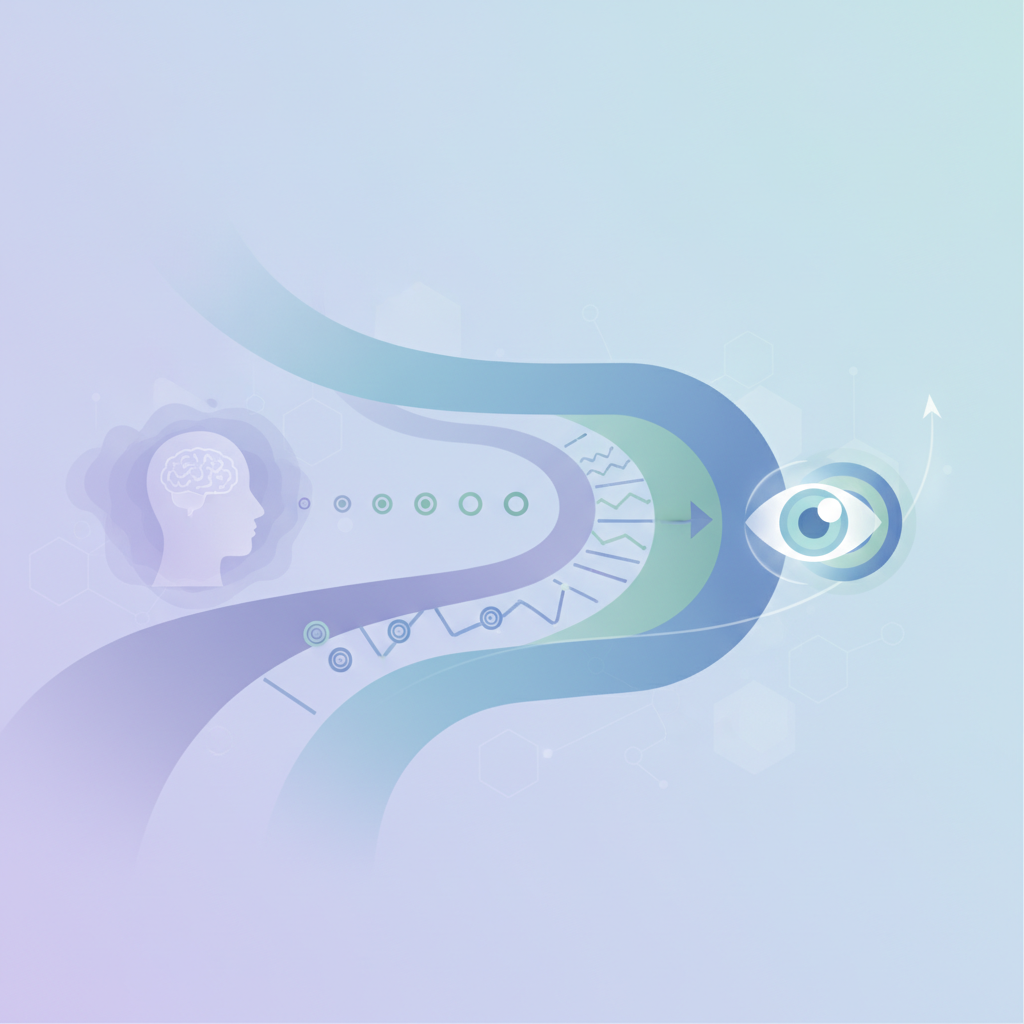
Optokinetic exercises are a form of vestibular rehabilitation that use continuous, moving visual stimuli—such as scrolling stripes or moving targets—to retrain the brain’s ability to process motion. This type of exercise leverages the optokinetic reflex, a natural eye movement response that allows your eyes to follow a moving object and then quickly reset to track a new target.
When your inner ear (vestibular system) and your visual system are out of sync—often due to a concussion or vestibular disorder—your brain becomes overwhelmed by visual motion, leading to dizziness and visual vertigo. Optokinetic stimulation in vestibular rehab exposes you to this visual motion in a controlled way. Over time, this repeated exposure helps your brain adapt, filtering out unnecessary visual information so you can move through complex environments without triggering dizziness.
Who Might Benefit from Optokinetic Exposure?
Individuals experiencing visual vertigo, motion sensitivity, or dizziness triggered by complex visual environments are the primary candidates for optokinetic exposure. This includes:
- Concussion Patients: People recovering from head injuries who experience dizziness, brain fog, or eye strain in visually busy environments like grocery stores or while scrolling on screens.
- Vestibular Disorder Patients: Those managing conditions like vestibular neuritis, Meniere’s disease, or lingering symptoms after treating BPPV.
- Athletes Returning to Sport: Players who need to regain dynamic visual stability to track fast-moving objects in chaotic environments.
- Older Adults: Individuals looking to improve their balance and visual stability to reduce the risk of falls in visually complex settings.
If your dizziness is primarily triggered by visual motion rather than just changes in head position, visual motion sensitivity treatment can be highly effective.
How Should Optokinetic Exercises Be Dosed?
Optokinetic exercises should be dosed using a graded, progressive approach that challenges the brain without triggering severe symptoms. The goal is to provoke mild to moderate symptoms—about a 3 or 4 out of 10 on a dizziness scale—and allow the brain to adapt to the stimulus.
General guidelines for dosing include:
- Duration: Begin with short intervals, typically 30 to 60 seconds per set.
- Rest: Take a 30- to 60-second break between sets to allow your symptoms to return to their baseline.
- Frequency: Perform 3 to 5 sets per session, usually once or twice daily, depending on your tolerance.
- Progression: Gradually increase the speed of the visual stimulus, the duration of the exercise, or the complexity of the background as your symptoms decrease.
If your symptoms spike to a severe level, or if you experience intense nausea or migraine-like headaches, the dose is too high. Always scale back and progress more slowly.
Step-by-Step Guide to Visual Motion Sensitivity Treatment
Performing visual vertigo exercises requires focus and a safe environment. The EyeRehab app provides built-in optokinetic training, but understanding the mechanics of the exercise ensures you get the most out of your session.
1. Setup
- Environment: Sit in a supportive chair in a quiet, well-lit room. Ensure you are safe from falls if you become dizzy.
- Screen Placement: Place your phone, tablet, or computer screen about an arm’s length away at eye level.
- Baseline Check: Rate your current symptoms (dizziness, nausea, headache) on a scale of 0 to 10 before you begin.
2. Execution
- Launch the optokinetic stimulus (e.g., moving stripes or a dynamic background) on your screen.
- Keep your head completely still while looking directly at the center of the screen.
- Allow your eyes to naturally follow the moving stimuli. Do not forcefully track the objects; let your peripheral vision absorb the motion.
- Continue for 30 to 60 seconds, or until your symptoms reach a moderate level (3-4/10).
3. Progressions
Once you can complete a 60-second session with minimal symptom provocation, it is time to progress.
- Increase Speed: Turn up the speed of the moving stimuli on the screen.
- Change Posture: Try performing the exercise while standing on a firm surface, progressing to standing on a soft surface like a foam pad.
- Add Head Movements: Perform gentle, rhythmic head turns (left to right, or up and down) while watching the optokinetic stimulus.
Common Mistakes to Avoid
To ensure your motion sensitivity exercises are effective, avoid these common pitfalls:
- Pushing Through Severe Symptoms: Vestibular rehabilitation is not “no pain, no gain.” Pushing through severe dizziness or nausea overstimulates the brain and can delay recovery. Stop when symptoms are moderate.
- Holding Your Breath: It is common to unknowingly hold your breath or tense your neck when feeling dizzy. Focus on deep, diaphragmatic breathing throughout the exercise.
- Rigid Staring: Forcing your eyes to lock onto a single moving object can cause eye strain. Use a “soft gaze” and let the visual field wash over your vision.
- Inconsistent Practice: Neuroplasticity—the brain’s ability to adapt—requires repetition. Practicing in small, consistent daily intervals is much more effective than doing one long, exhausting session a week.
Key Takeaways on Optokinetic Exercises for Dizziness
- Optokinetic exercises use moving visual patterns to retrain the brain to process complex visual environments.
- They are highly beneficial for patients with visual vertigo, concussion symptoms, and vestibular disorders.
- Proper dosing requires stopping at a moderate symptom level (3-4/10) to promote neuroplasticity without overstimulating the nervous system.
- Progress slowly by increasing screen speed, moving from sitting to standing, or adding gentle head movements.
Take Control of Your Vestibular Recovery
Managing visual motion sensitivity takes time, patience, and the right tools. The EyeRehab - VOR Training app offers built-in optokinetic stimulation, saccades, smooth pursuit training, and detailed symptom tracking to guide your recovery. Download the app today to access structured progressions and take the guesswork out of your vestibular rehabilitation.
Disclaimer: This blog post is for educational purposes only and does not constitute medical advice. Always consult with a healthcare professional, such as a physical therapist or vestibular specialist, before starting any new exercise program for dizziness or concussion recovery. If you experience sudden, severe dizziness, falls, or changes in hearing, seek immediate medical attention.
Frequently Asked Questions
Who might benefit from optokinetic exposure?
People with visual motion sensitivity—including those recovering from concussion or managing vestibular disorders like neuritis or lingering BPPV symptoms—may benefit. Athletes returning to sport and older adults concerned about balance in visually complex settings may also find these exercises helpful. If dizziness worsens, persists, or appears with other neurological symptoms, consult a qualified clinician before starting any new exercise program.
How should optokinetic exercises be dosed?
Start with 30–60 second sets with equal rest between them. Perform 3–5 sets, once or twice daily. The goal is to provoke mild to moderate symptoms—about a 3 or 4 out of 10—then allow adaptation. Gradually increase speed, duration, or visual complexity as symptoms decrease. If dizziness becomes severe or you experience intense nausea or headaches, stop and consult your clinician before progressing.
What are common mistakes to avoid with optokinetic exercises?
Avoid pushing through severe symptoms—vestibular rehab is not "no pain, no gain." Don't hold your breath or tense your neck; focus on relaxed diaphragmatic breathing. Use a soft gaze rather than rigidly locking onto one object. Practice in short, consistent daily sessions instead of infrequent long ones. Overstimulation can delay recovery, so scale back intensity if symptoms spike.
Tags
Written by
EyeRehab - VOR Training Team
Expert insights on vestibular rehabilitation and eye health.
Related Articles
PPPD (Persistent Postural-Perceptual Dizziness): Symptoms, Triggers, and Rehab
What PPPD is, why chronic dizziness lingers after the trigger has healed, and how graded vestibular rehab helps you get steady again.
EyeRehab - VOR Training Team
July 1, 2026
Walking Balance Exercises After Concussion
A post-concussion walking balance guide that links gait, head movement, visual load, and safe progression.
EyeRehab - VOR Training Team
June 25, 2026
Balance Exercises With Eyes Closed: Safety and Progression
Explain how eyes-closed balance exercises change sensory demand and how to progress them safely.
EyeRehab - VOR Training Team
June 20, 2026