Neuroplasticity and Vestibular Rehabilitation: Hope for Recovery
Discover how brain plasticity enables vestibular recovery, offering new insights into healing neural pathways after injury or disorder.
VOR Eye Rehab Team
Published on January 26, 2026
Listen to this article
Natural Language Narration · 3 min
What You’ll Learn
In this article, you’ll discover:
- How the brain can rewire and heal itself after vestibular injury
- The science behind neuroplasticity and neural pathway recovery
- Strategies to support your brain’s natural healing process
- Hope and practical insights for vestibular rehabilitation
Understanding Brain Plasticity: Your Brain’s Remarkable Healing Power
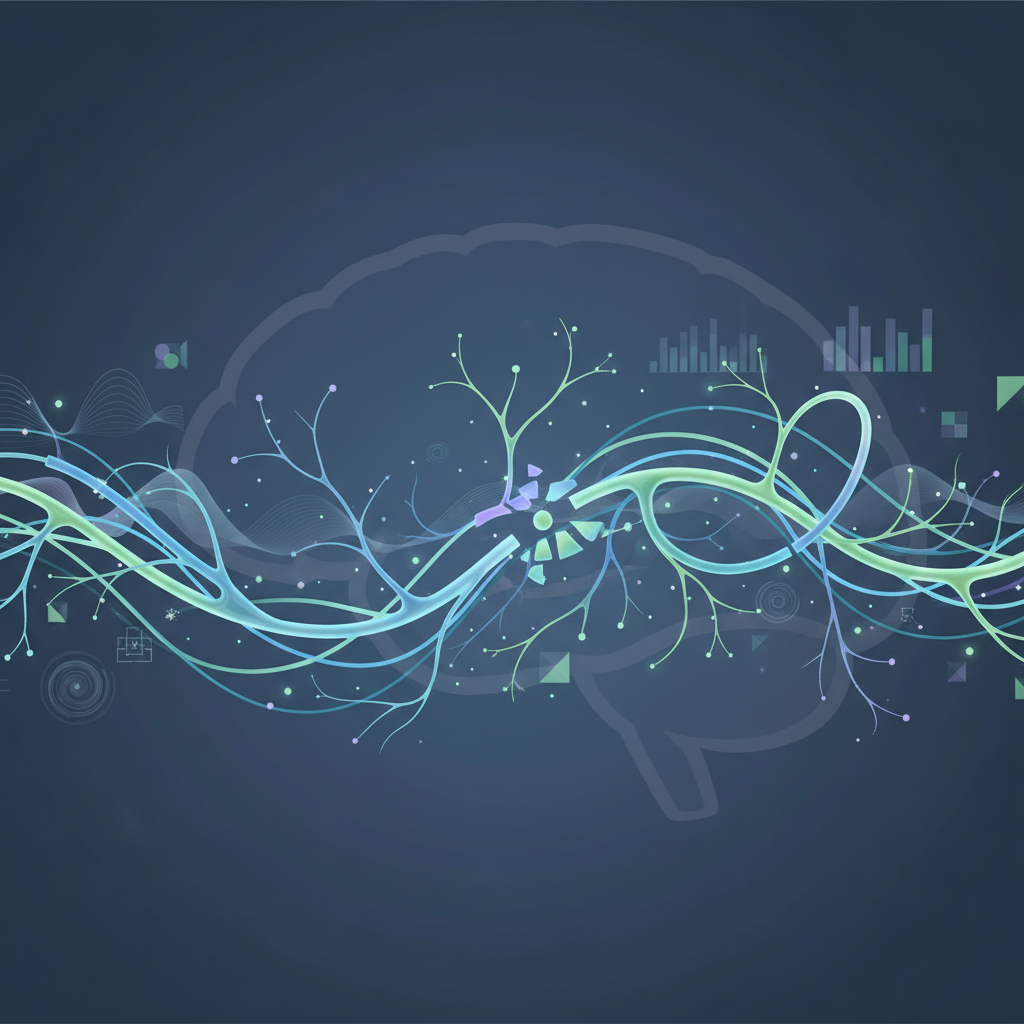
Your brain is not a fixed, unchanging organ, but a dynamic, adaptable system capable of remarkable self-repair. Neuroplasticity—the brain’s ability to reorganize neural connections and create new pathways—is the key to understanding vestibular recovery.
When you experience a concussion, vestibular disorder, or brain injury, some neural pathways become disrupted. But your brain has an incredible capacity to:
- Form new neural connections
- Reroute signals around damaged areas
- Strengthen alternative neural networks
- Gradually restore lost function
How Neuroplasticity Supports Vestibular Rehabilitation
Neuroplastic changes occur through consistent, targeted rehabilitation. By engaging in specialized exercises that challenge your vestibular and visual systems, you can:
- Retrain neural pathways
- Improve sensory integration
- Enhance brain-body communication
- Reduce symptoms like dizziness and disorientation
Key Neuroplastic Mechanisms
- Synaptic Pruning: Eliminating weak connections
- Neurogenesis: Creating new neural connections
- Myelination: Improving signal transmission speed
- Functional Reorganization: Redirecting brain functions
Effective Strategies to Support Neural Recovery
Successful vestibular rehabilitation depends on:
- Consistent, progressive exercise
- Targeted sensory stimulation
- Patient-specific rehabilitation protocols
- Holistic approach to healing
Recommended approaches include:
- Gaze stabilization exercises
- Balance training
- Cognitive-motor integration
- Stress management
- Adequate rest and nutrition
The Role of Targeted Rehabilitation Technology
Modern rehabilitation technologies like VOR Eye Rehab leverage neuroplasticity principles by providing:
- Personalized exercise programs
- Progressive difficulty levels
- Real-time symptom tracking
- Objective progress measurement
Key Takeaways
- Neuroplasticity offers hope for vestibular recovery
- Consistent, targeted rehabilitation can rewire neural pathways
- Technology and specialized exercises support brain healing
- Individual recovery journeys vary
Ready to Start Your Recovery Journey?
VOR Eye Rehab provides scientifically designed exercises to support your vestibular rehabilitation. Download the app and begin your personalized recovery program today.
Medical Disclaimer: This content is for informational purposes only and is not a substitute for professional medical advice. Always consult a healthcare provider for personalized guidance.
Tags
Written by
VOR Eye Rehab Team
Expert insights on vestibular rehabilitation and eye health.
Related Articles
Dual-Tasking: Vestibular Training for Cognitive Health
Explore how vestibular rehabilitation can improve cognitive function, balance, and brain processing through integrated exercise strategies.
VOR Eye Rehab Team
December 31, 2025