Long COVID: Vestibular Symptoms and Rehabilitation
Explore how long COVID affects vestibular function and discover evidence-based rehabilitation strategies to manage neurological symptoms and recovery.
VOR Eye Rehab Team
Published on January 7, 2026
Listen to this article
Natural Language Narration · 3 min
What You’ll Learn
- How long COVID impacts vestibular function and neurological systems
- Common vestibular symptoms associated with post-COVID syndrome
- Evidence-based rehabilitation strategies for recovery
- Practical exercises and management techniques
- When to seek professional medical guidance
Understanding Long COVID and Vestibular Dysfunction
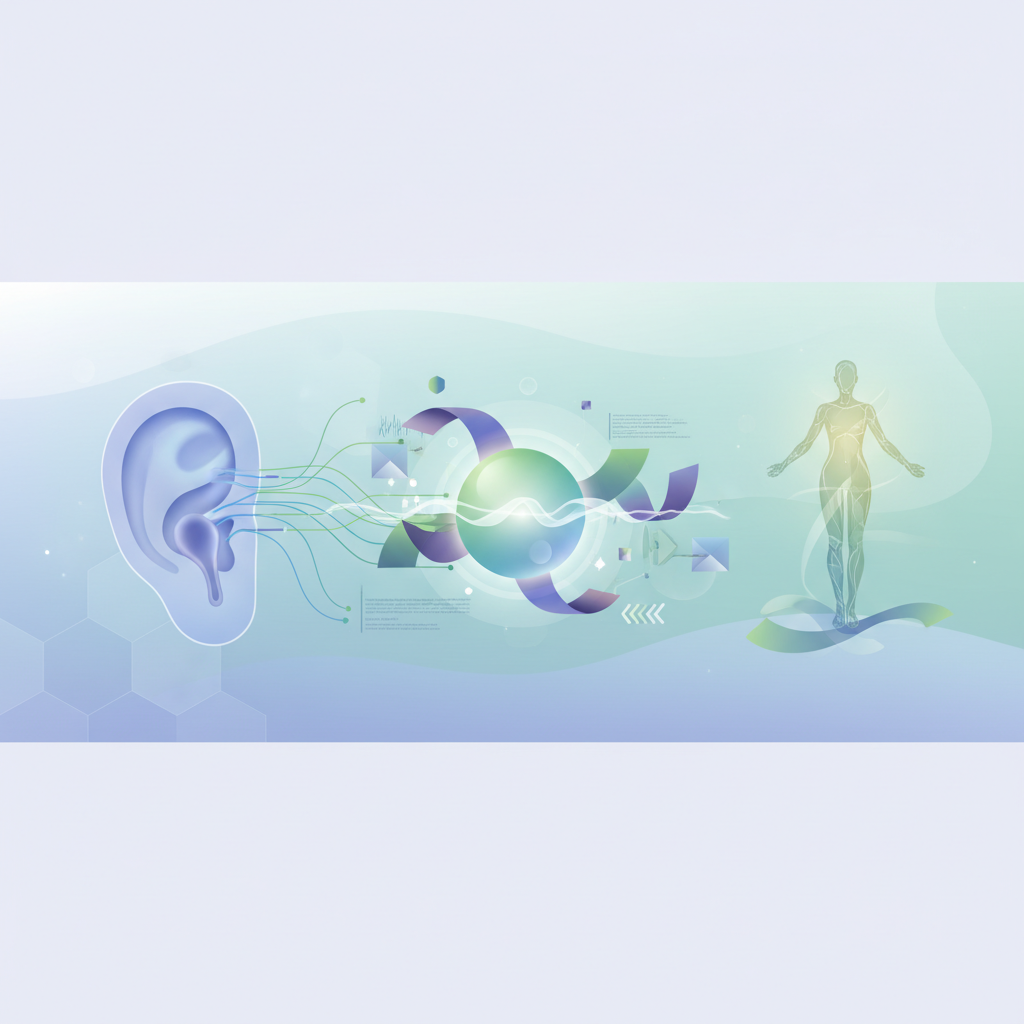
Long COVID can profoundly disrupt the vestibular system, causing complex neurological symptoms that extend far beyond initial infection. Many patients experience persistent challenges with balance, visual stability, and sensory processing months after recovering from COVID-19.
The vestibular system, which coordinates balance and spatial orientation, can be significantly impacted by the virus’s neurological effects. Inflammation, neurological changes, and potential autoimmune responses contribute to ongoing vestibular dysfunction.
Common Vestibular Symptoms in Long COVID Patients
Individuals may experience a range of vestibular-related symptoms, including:
- Persistent dizziness
- Vertigo and spinning sensations
- Difficulty maintaining balance
- Visual tracking problems
- Increased sensitivity to motion
- Cognitive disruptions like brain fog
- Unexplained fatigue
- Headaches and migraines
Evidence-Based Rehabilitation Strategies
Vestibular Rehabilitation Exercises
-
Gaze Stabilization Techniques
- VOR x1 and x2 exercises
- Smooth pursuit training
- Controlled eye movement protocols
-
Balance Retraining
- Progressive balance challenges
- Static and dynamic stability exercises
- Proprioceptive training
-
Neurological Reintegration
- Gentle cognitive-motor exercises
- Sensory integration techniques
- Controlled exposure to movement stimuli
Comprehensive Management Approach
Successful rehabilitation requires a holistic strategy:
- Gradual, progressive exercise implementation
- Regular symptom tracking
- Personalized rehabilitation plans
- Interdisciplinary medical support
- Patient-centered recovery goals
Recommended Lifestyle Modifications
- Consistent sleep schedule
- Balanced nutrition
- Stress management techniques
- Adequate hydration
- Gentle, regular physical activity
Key Takeaways
- Long COVID can significantly impact vestibular function
- Targeted rehabilitation offers hope for recovery
- Personalized, patient-centered approaches are crucial
- Professional medical guidance is essential
Start Your Recovery Journey
The VOR Eye Rehab app provides scientifically designed exercises to support your vestibular rehabilitation. Track your progress, manage symptoms, and regain visual and balance stability.
[Download Now]
Medical Disclaimer
This content is for informational purposes only and is not a substitute for professional medical advice. Always consult healthcare professionals for personalized guidance.
Tags
Written by
VOR Eye Rehab Team
Expert insights on vestibular rehabilitation and eye health.
Related Articles
PPPD (Persistent Postural-Perceptual Dizziness): Symptoms, Triggers, and Rehab
What PPPD is, why chronic dizziness lingers after the trigger has healed, and how graded vestibular rehab helps you get steady again.
EyeRehab - VOR Training Team
July 1, 2026
Walking Balance Exercises After Concussion
A post-concussion walking balance guide that links gait, head movement, visual load, and safe progression.
EyeRehab - VOR Training Team
June 25, 2026
Balance Exercises With Eyes Closed: Safety and Progression
Explain how eyes-closed balance exercises change sensory demand and how to progress them safely.
EyeRehab - VOR Training Team
June 20, 2026