Cervical Vertigo: Neck Injuries and Balance Disorders
Explore the link between neck injuries, cervical vertigo, and vestibular dysfunction. Learn symptoms, causes, and rehabilitation strategies.
VOR Eye Rehab Team
Published on January 12, 2026
Listen to this article
Natural Language Narration · 3 min
What You’ll Learn
- The connection between neck injuries and vestibular dysfunction
- Common symptoms of cervical vertigo
- How neck trauma can impact balance and visual stability
- Rehabilitation strategies for cervical vertigo
- When to seek professional medical help
Understanding Cervical Vertigo: More Than Just a Pain in the Neck
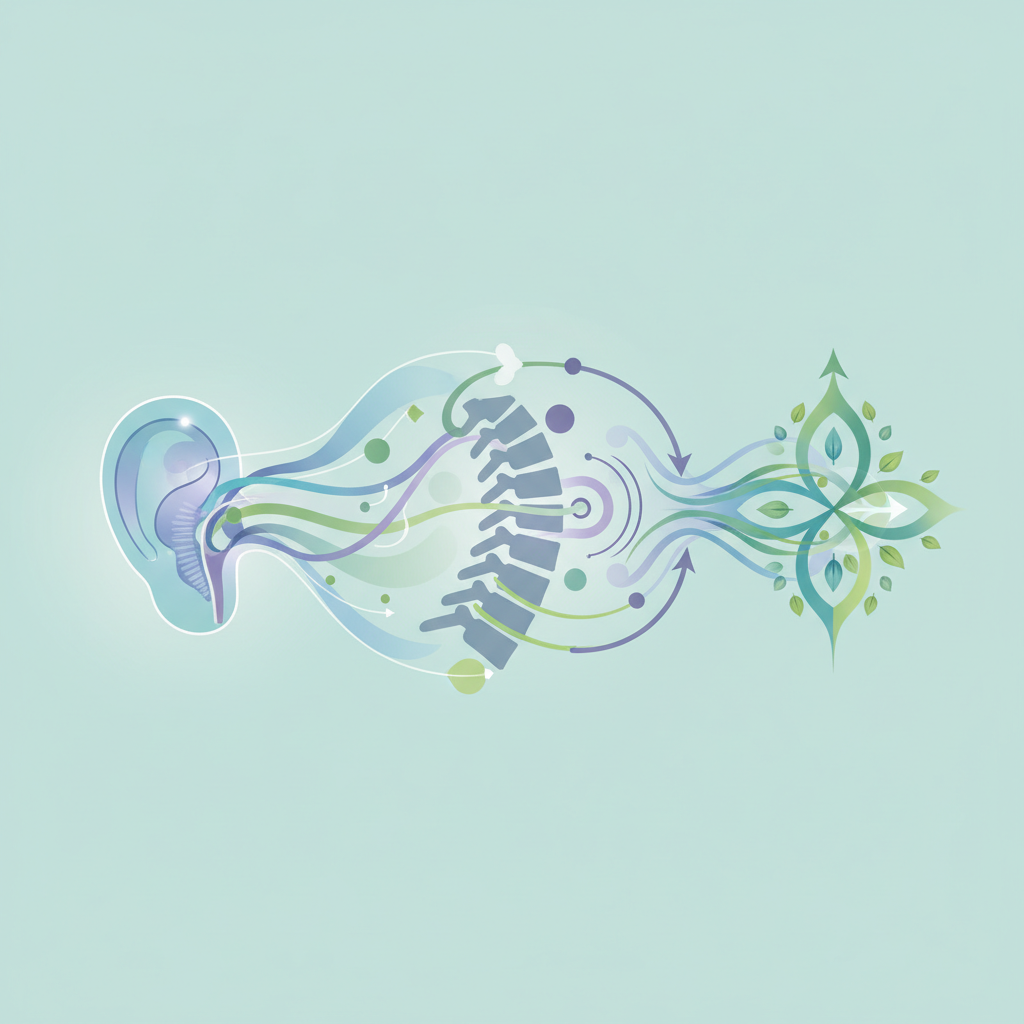
Cervical vertigo is a complex condition where neck problems directly impact your balance and spatial orientation. Unlike traditional vertigo, this type of dizziness originates from neck dysfunction, creating a unique challenge for patients recovering from injuries or managing chronic conditions.
The neck contains crucial proprioceptive sensors that communicate with your brain about head position and movement. When these sensors are disrupted by injury, inflammation, or structural changes, they can send conflicting signals to your vestibular system, leading to:
- Persistent dizziness
- Balance instability
- Visual disturbances
- Spatial disorientation
Common Causes of Cervical Vertigo
Neck injuries that can trigger cervical vertigo include:
- Whiplash from car accidents
- Sports-related concussions
- Chronic neck strain
- Cervical spine degenerative conditions
- Surgical complications
- Severe muscle tension or spasms
Recognizing the Symptoms
Cervical vertigo presents with a range of symptoms that can significantly impact daily functioning:
Physical Symptoms
- Dizziness when moving the head
- Feeling of spinning or swaying
- Neck pain or stiffness
- Headaches
- Reduced range of neck motion
Neurological Symptoms
- Brain fog
- Difficulty concentrating
- Visual instability
- Reduced balance
- Occasional nausea
Rehabilitation and Recovery Strategies
Vestibular Rehabilitation Techniques
- Gaze stabilization exercises
- Head movement retraining
- Balance training
- Proprioceptive neuromuscular re-education
Professional Interventions
- Physical therapy
- Chiropractic care
- Specialized vestibular rehabilitation
- Targeted neck and shoulder exercises
Recommended Exercises for Cervical Vertigo
- Gentle neck rotations
- VOR x1 and x2 gaze stabilization
- Controlled head movement drills
- Balance training with visual focus
- Progressive resistance neck strengthening
Key Takeaways
- Cervical vertigo is a complex condition linked to neck injuries
- Proper diagnosis requires professional medical assessment
- Rehabilitation involves multi-modal approaches
- Consistent, targeted exercises can improve symptoms
- Patient patience and professional guidance are crucial
Get Started with Your Recovery
The VOR Eye Rehab app offers specialized exercises designed to support vestibular rehabilitation and help manage cervical vertigo symptoms. Track your progress, customize your training, and regain your balance with evidence-based techniques.
[Download Now]
Medical Disclaimer
This information is for educational purposes and is not a substitute for professional medical advice. Always consult with a healthcare provider for personalized diagnosis and treatment recommendations.
Tags
Written by
VOR Eye Rehab Team
Expert insights on vestibular rehabilitation and eye health.
Related Articles
PPPD (Persistent Postural-Perceptual Dizziness): Symptoms, Triggers, and Rehab
What PPPD is, why chronic dizziness lingers after the trigger has healed, and how graded vestibular rehab helps you get steady again.
EyeRehab - VOR Training Team
July 1, 2026
Walking Balance Exercises After Concussion
A post-concussion walking balance guide that links gait, head movement, visual load, and safe progression.
EyeRehab - VOR Training Team
June 25, 2026
Balance Exercises With Eyes Closed: Safety and Progression
Explain how eyes-closed balance exercises change sensory demand and how to progress them safely.
EyeRehab - VOR Training Team
June 20, 2026