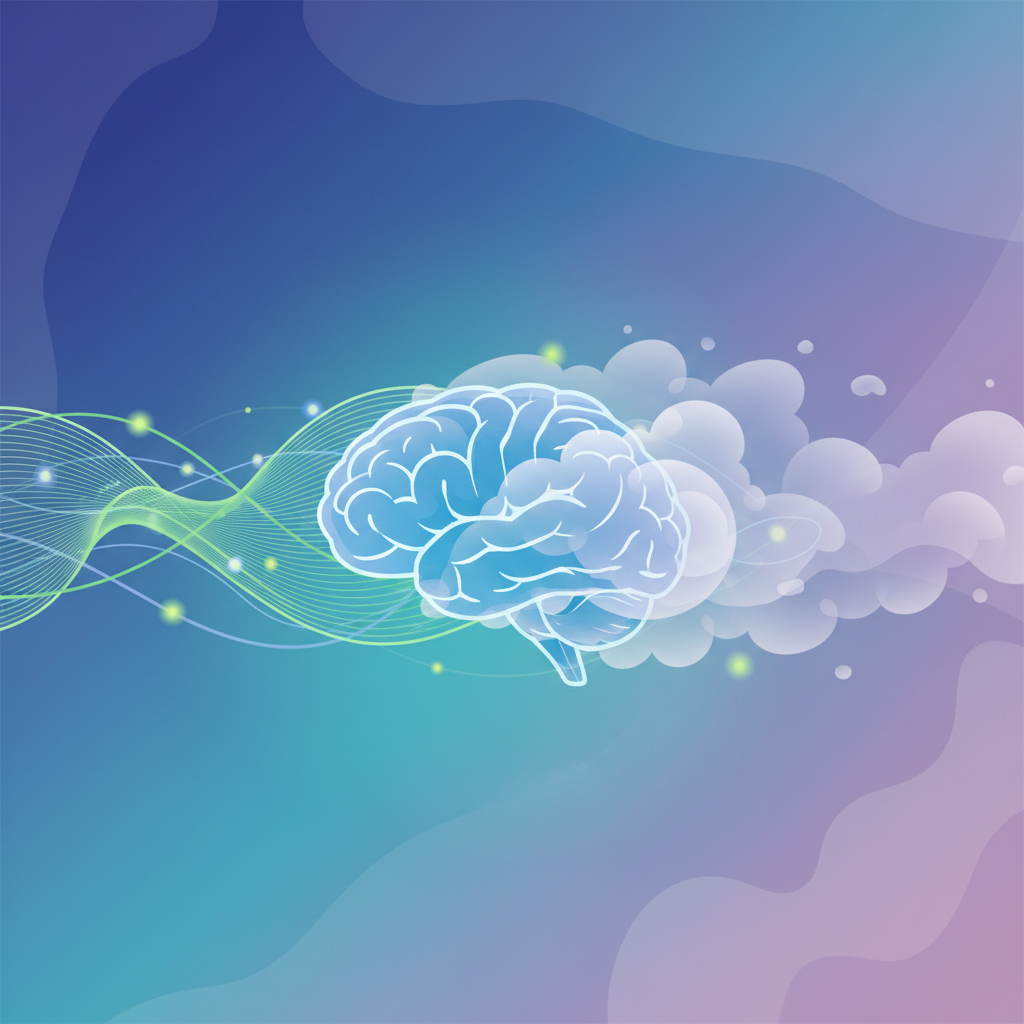
Brain Fog After Concussion: Recovery Timeline and Solutions
Struggling with mental cloudiness after a head injury? Learn how long brain fog lasts, why it happens, and proven strategies to regain cognitive clarity.
VOR Eye Rehab Team
Published on February 2, 2026
Listen to this article
Natural Language Narration · 3 min
What is Brain Fog After a Concussion?
Brain fog after a concussion is a common cognitive disruption that makes thinking feel cloudy, slow, and difficult. Approximately 60-70% of concussion patients experience some form of cognitive impairment during recovery, with mental clarity issues being one of the most frequently reported symptoms.
Typical brain fog symptoms include:
- Difficulty concentrating
- Slower processing speed
- Memory problems
- Reduced mental clarity
- Feeling mentally “tired” or overwhelmed
- Challenges with multitasking
- Reduced problem-solving abilities
How Long Does Brain Fog Last After a Concussion?
Brain fog duration varies depending on individual factors, but research suggests:
- Acute phase: 1-4 weeks post-injury
- Moderate cases: 2-3 months
- Persistent cases: Up to 6-12 months for some individuals
Factors influencing recovery time include:
- Severity of initial concussion
- Age
- Overall health
- Rehabilitation strategies
- Concurrent medical conditions
What Causes Cognitive Difficulties After a Head Injury?
Concussion-related brain fog occurs due to:
- Neurometabolic changes
- Disrupted neural connectivity
- Inflammation in brain tissues
- Altered neurotransmitter functioning
- Metabolic energy disruption in brain cells
Effective Strategies for Managing Post-Concussion Brain Fog
Recommended recovery approaches include:
- Cognitive rest in initial weeks
- Gradual mental stimulation
- Vestibular rehabilitation exercises
- Consistent sleep schedule
- Nutrition supporting brain health
- Stress management techniques
- Targeted cognitive training
When to Seek Professional Help
Consult a healthcare provider if you experience:
- Brain fog persisting beyond 3-4 months
- Significant daily functioning impairment
- Worsening cognitive symptoms
- Concurrent neurological symptoms
- Mental health challenges
Key Takeaways
- Brain fog is a normal concussion recovery symptom
- Recovery timeline varies by individual
- Targeted rehabilitation can significantly improve cognitive function
- Professional guidance is crucial for comprehensive recovery
Support Your Recovery with VOR Eye Rehab
Our app provides specialized vestibular and cognitive rehabilitation exercises designed to support your recovery journey. Track symptoms, improve visual stability, and regain mental clarity with evidence-based training.
[CTA: Download VOR Eye Rehab and start your recovery today]
Medical Disclaimer
This content is for informational purposes only and is not a substitute for professional medical advice. Always consult a healthcare professional for personalized guidance.
Tags
Written by
VOR Eye Rehab Team
Expert insights on vestibular rehabilitation and eye health.
Related Articles
Concussion Symptoms Come Back With Exercise
Explain exercise-related concussion symptom flares, pacing rules, and when symptom return needs reassessment.
EyeRehab - VOR Training Team
July 6, 2026
Blurry Vision After Concussion: Exercises That Help
A practical guide to blurry vision after concussion, including common causes, exercise categories, and when to seek a focused exam.
EyeRehab - VOR Training Team
June 5, 2026
Brain Fog After Concussion and Visual Fatigue
Explore how visual fatigue can feed brain fog after concussion and how pacing, eye exercises, and load management can help.
EyeRehab - VOR Training Team
June 5, 2026