BPPV vs Vestibular Migraine: Understanding Symptoms
Learn the key differences between BPPV and vestibular migraine, their unique symptoms, diagnosis, and treatment approaches for better management.
VOR Eye Rehab Team
Published on January 19, 2026
Listen to this article
Natural Language Narration · 3 min
What You’ll Learn
- Key differences between BPPV and vestibular migraine
- Unique symptoms of each condition
- Diagnostic approaches
- Treatment strategies
- Management tips for improving quality of life
Understanding BPPV: More Than Just Dizziness
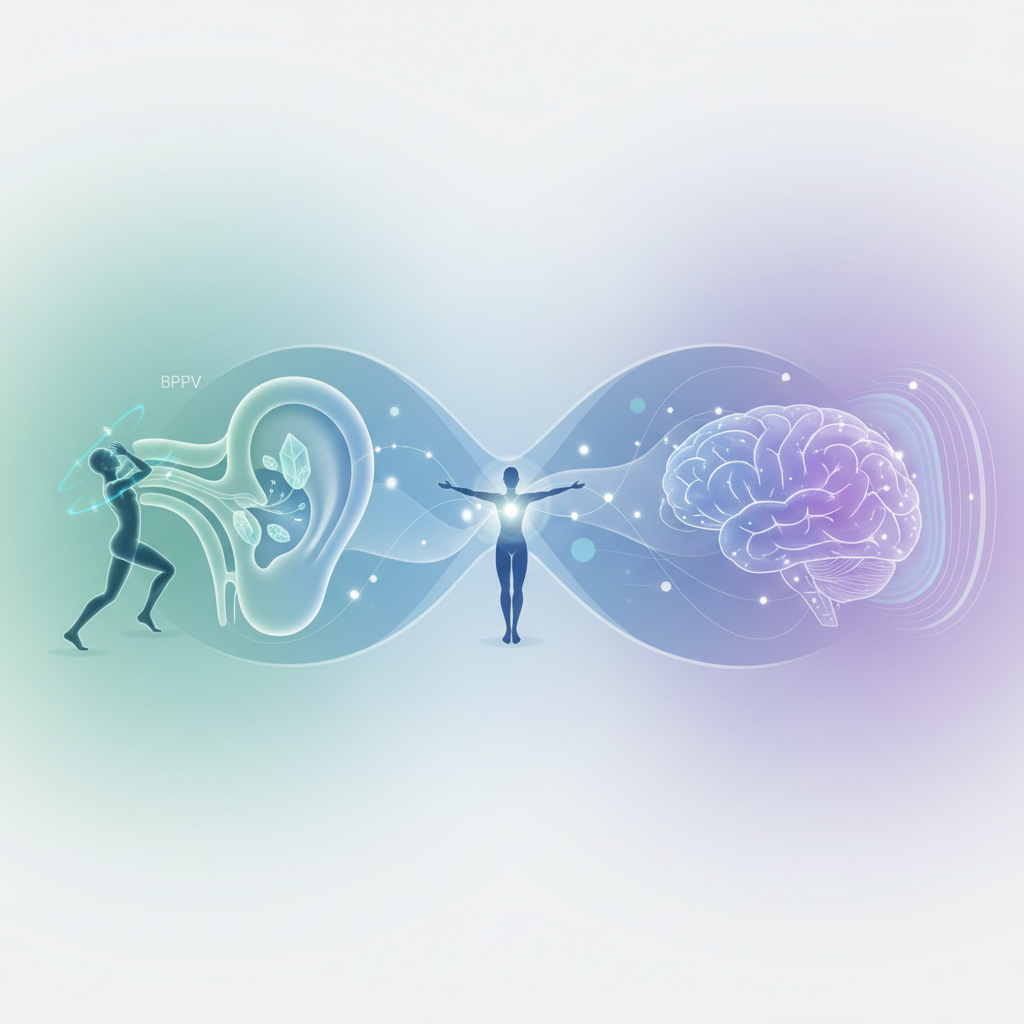
Benign Paroxysmal Positional Vertigo (BPPV) is a specific vestibular disorder characterized by brief, intense episodes of vertigo triggered by head movements. Unlike other vestibular conditions, BPPV has a very distinct set of symptoms and mechanisms:
Key Characteristics of BPPV
- Triggered by specific head position changes
- Short-duration spinning sensations (typically 10-20 seconds)
- Often occurs when:
- Rolling over in bed
- Looking up or down
- Bending over
- Lying down quickly
What Causes BPPV?
BPPV happens when tiny calcium carbonate crystals (otoconia) in your inner ear become dislodged and move into the semicircular canals. These misplaced crystals disrupt your balance system, causing sudden vertigo and dizziness.
Vestibular Migraine: A Complex Neurological Experience
Vestibular migraines are fundamentally different from BPPV, involving complex neurological interactions that affect balance and perception:
Unique Symptoms of Vestibular Migraine
- Prolonged episodes of dizziness (can last hours to days)
- Sensitivity to light and sound
- Visual disturbances
- Potential headache (though not always present)
- Feeling of imbalance or rocking sensation
- Occasional nausea and vomiting
Triggers for Vestibular Migraines
- Stress
- Hormonal changes
- Specific foods
- Sleep disruptions
- Weather changes
- Sensory stimuli
Diagnostic Approaches
BPPV Diagnosis
- Dix-Hallpike maneuver
- Roll test
- Specific positional testing by a healthcare professional
Vestibular Migraine Diagnosis
- Comprehensive medical history
- Neurological examination
- Ruling out other potential conditions
- Tracking symptom patterns
Treatment Strategies
BPPV Management
- Canalith repositioning procedures
- Specific head movement exercises
- Rarely requires medication
- Often resolves within weeks to months
Vestibular Migraine Treatment
- Preventive medications
- Lifestyle modifications
- Stress management techniques
- Potential dietary changes
- Vestibular rehabilitation
Key Takeaways
- BPPV and vestibular migraines are distinct conditions
- Accurate diagnosis is crucial for effective management
- Both conditions can significantly impact daily life
- Professional medical guidance is essential
Next Steps: Support Your Recovery
If you’re experiencing persistent dizziness or balance issues, the VOR Eye Rehab app can help you track symptoms, perform targeted exercises, and support your rehabilitation journey. Always consult with a healthcare professional for personalized advice.
Medical Disclaimer
This information is for educational purposes and is not a substitute for professional medical advice. Always consult with a healthcare provider for proper diagnosis and treatment.
Tags
Written by
VOR Eye Rehab Team
Expert insights on vestibular rehabilitation and eye health.
Related Articles
PPPD (Persistent Postural-Perceptual Dizziness): Symptoms, Triggers, and Rehab
What PPPD is, why chronic dizziness lingers after the trigger has healed, and how graded vestibular rehab helps you get steady again.
EyeRehab - VOR Training Team
July 1, 2026
Walking Balance Exercises After Concussion
A post-concussion walking balance guide that links gait, head movement, visual load, and safe progression.
EyeRehab - VOR Training Team
June 25, 2026
Balance Exercises With Eyes Closed: Safety and Progression
Explain how eyes-closed balance exercises change sensory demand and how to progress them safely.
EyeRehab - VOR Training Team
June 20, 2026