Nausées lors des mouvements oculaires après une commotion cérébrale
Découvrez pourquoi les mouvements oculaires peuvent déclencher des nausées après une commotion cérébrale et comment doser les exercices vestibulaires ou visuels en toute sécurité.
EyeRehab - VOR Training Team
Publié le 5 juin 2026
Écouter cet article
Narration Kokoro-MLX · 8 min
Réponse courte
Why can eye movement cause nausea after concussion?
Learn why eye movement can trigger nausea after concussion and how to pace vestibular or vision exercises safely.
Révisé le 5 juin 2026
Understanding Nausea After Concussion
Experiencing nausea after concussion is a common and frustrating symptom that can significantly disrupt your daily life and recovery. This uncomfortable sensation often intensifies during visual tasks, such as scrolling on a phone, reading, or simply moving your eyes around a busy room. Understanding why this happens is the first step toward finding effective relief and safely managing your vestibular recovery.
Why Can Eye Movement Cause Nausea After Concussion?
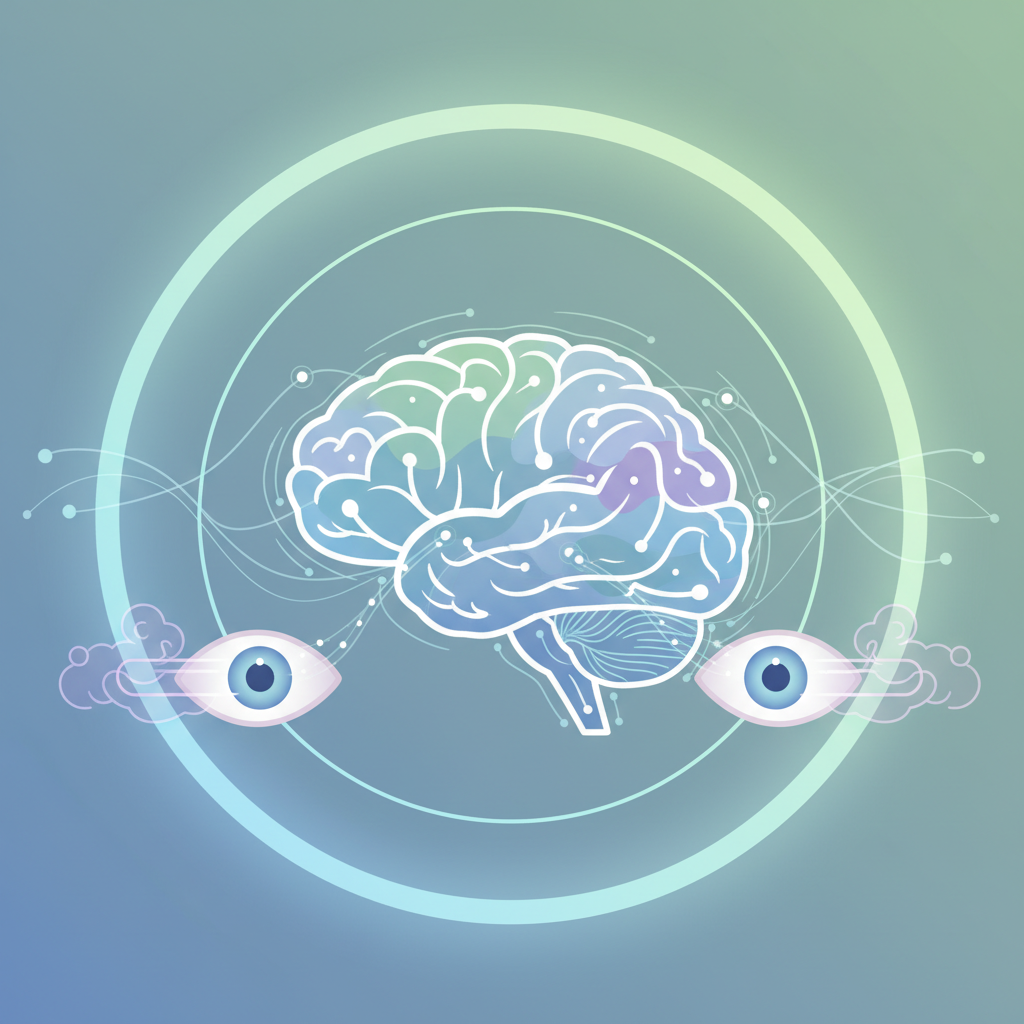
Eye movements can cause nausea after a concussion because of a disruption in the vestibulo-ocular reflex (VOR), a critical system that coordinates head movement with eye movement to keep your vision stable.
When you experience a head injury, the delicate pathways connecting your inner ear (vestibular system), your eyes, and your brain can become impaired or misaligned. Normally, when your head moves, your VOR ensures your eyes move at the exact same speed in the opposite direction, allowing you to focus clearly.
After a concussion, this system often becomes desynchronized. When you move your eyes—especially during rapid movements like saccades or while tracking objects (smooth pursuits)—your brain struggles to process the visual input. This creates a sensory mismatch. Your eyes tell your brain that you are moving or seeing motion, but your inner ear and body sense that you are sitting still. This confusion in the brain is interpreted as a threat, triggering the brain’s vomiting center and leading to intense eye movement nausea concussion symptoms.
The Link Between Vision, Balance, and Feeling Sick After Head Injury
The brain relies on three main systems to keep you balanced and oriented in space: the vestibular system (inner ear), the visual system (eyes), and the proprioceptive system (nerves in your muscles and joints).
A concussion acts like a software glitch in the brain, disrupting how these three systems communicate. When you attempt normal visual tasks—such as looking from a dashboard to the road while driving, or walking through a brightly lit grocery store—your brain is forced to work overtime to process the conflicting signals. This cognitive and sensory overload is a primary driver of motion sickness after concussion and the general feeling of unsteadiness that often accompanies it.
Furthermore, concussion frequently affects the brain’s ability to coordinate the two eyes working together, a skill known as binocular vision or convergence. If your eyes struggle to team up properly when looking at near objects, the resulting eye strain can easily cascade into dizziness and nausea.
What Is Normal vs. Concerning: Nausea After Concussion
It is normal to experience mild to moderate nausea when challenging your visual or vestibular system during daily activities or targeted rehabilitation exercises. As you recover, your brain needs to be exposed to movement to heal—a process supported by clinical guidelines on vestibular rehabilitation.
What is considered a normal part of the recovery process:
- Mild stomach discomfort when scrolling on a screen or reading.
- A brief wave of dizziness or slight nausea when moving your head quickly.
- Feeling easily overwhelmed by visually busy environments, like crowded stores or patterned floors.
- Symptoms that temporarily spike during therapeutic eye exercises but return to baseline shortly after resting.
What is considered concerning and requires a healthcare provider’s attention:
- Nausea that prevents you from eating, drinking, or keeping fluids down.
- Sudden, severe, or projectile vomiting.
- Nausea accompanied by worsening, severe headaches.
- Symptoms that dramatically worsen over time rather than gradually improving.
- Complete inability to tolerate light or screen exposure without severe sickness.
When Does Nausea After Concussion Need Urgent Care?
Nausea after a concussion needs urgent medical care when it is accompanied by worsening headaches, repeated vomiting, slurred speech, weakness, or changes in consciousness, as these can indicate a more serious brain injury.
According to the Centers for Disease Control and Prevention (CDC), concussions are traumatic brain injuries (TBIs), and certain red flags require immediate emergency medical evaluation. You should go to an emergency department or call emergency services right away if the person exhibits any of the following danger signs:
- Repeated vomiting: While a single episode of nausea or vomiting can happen at the time of injury, repeated vomiting hours or days later is a red flag.
- Worsening headache: A headache that gets worse and will not go away.
- Slurred speech: Noticeable changes in the ability to speak clearly.
- Weakness or numbness: Sudden weakness, numbness, or decreased coordination in the arms or legs.
- Changes in consciousness: Looking very drowsy, having trouble waking up, or losing consciousness.
If you are ever in doubt about the severity of your symptoms, it is always safest to consult a medical professional.
Post Concussion Nausea Treatment and Management Strategies
Post concussion nausea treatment typically involves a combination of environmental modifications, dietary adjustments, targeted vestibular therapy, and sometimes medication.
Because the underlying cause of this nausea is usually a sensory mismatch, treating it involves retraining the brain. Healthcare professionals, such as physical therapists and vestibular specialists, use specific exercises to gradually expose the brain to the movements and visual inputs that trigger symptoms. This process is called habituation.
In addition to vestibular rehabilitation, everyday management strategies include:
- Modifying visual environments: Use larger fonts on screens, reduce screen brightness, and avoid fluorescent lighting.
- Pacing activities: Break up visually demanding tasks (like reading or computer work) into shorter, manageable intervals.
- Hydration and nutrition: Dehydration worsens nausea. Sip water throughout the day and eat bland, easily digestible foods if your stomach is upset.
- Strategic resting: Rest your eyes in a quiet, dimly lit room when symptoms spike, but avoid completely avoiding all movement, as prolonged bed rest can actually delay recovery.
How Should Nausea During Exercises Be Paced?
Nausea during recovery exercises should be paced by stopping the activity when symptoms reach a moderate level, resting until they subside, and then gradually increasing the exercise duration over time.
In vestibular therapy, the goal is to push the brain just enough to trigger adaptation (healing), but not so much that it triggers a severe symptom flare-up. This concept is sometimes referred to as staying within the “symptom bandwidth.”
To safely pace your exercises:
- Use a symptom scale: Rate your dizziness or nausea on a scale of 0 to 10 before, during, and after an exercise.
- Establish a stopping point: A good rule of thumb is to stop the exercise if your nausea or dizziness increases by more than 2 to 3 points on that 10-point scale.
- Rest and reset: Take a break. Wait for your symptoms to return to their baseline level before attempting the exercise again.
- Modify the demand: If an exercise consistently causes severe nausea, make it easier. For example, perform VOR (gaze stabilization) exercises at a slower speed, or do them while sitting rather than standing.
- Track your progress: Use a symptom tracker to log how your body responds to different exercises each day.
Key Takeaways
- Nausea is a signal, not a setback: Nausea after concussion is a highly common symptom caused by a sensory mismatch between the eyes, inner ear, and brain.
- The VOR connection: Impairment in the vestibulo-ocular reflex (VOR) makes simple eye movements difficult, leading to visually induced motion sickness.
- Pacing is crucial: Recovery requires gradual exposure to movement. Stop exercises if nausea spikes significantly, rest, and try again later.
- Know the red flags: Seek urgent medical care immediately if nausea is accompanied by repeated vomiting, worsening headaches, weakness, or changes in consciousness.
- Professional guidance matters: Always work with a healthcare provider or vestibular specialist to develop a safe, personalized recovery plan.
Start Your Recovery Journey with EyeRehab - VOR Training
Managing nausea and dizziness during concussion recovery requires precise, gradual progression. The EyeRehab - VOR Training app is designed to support your recovery by providing clinical-grade vestibular and balance exercises right on your mobile device.
With features like VOR x1 and x2 training, saccades, smooth pursuit exercises, and built-in symptom tracking for dizziness, brain fog, and nausea, EyeRehab helps you pace your recovery safely. You can easily log how you feel before and after exercises, ensuring you stay within your therapeutic window without overloading your system. Consult your healthcare provider to see if guided VOR training is right for your recovery journey.
Medical Disclaimer: This blog post is for informational purposes only and does not constitute medical advice. Concussions are serious traumatic brain injuries. Always consult with a qualified healthcare professional or your doctor for diagnosis, treatment, and personalized medical guidance regarding your specific condition.
Questions fréquentes
Why can eye movement cause nausea after concussion?
Use symptom patterns, safety, and day-to-day function to decide the next step. Seek urgent care for danger signs, and ask a qualified clinician for guidance when symptoms are worsening, unsafe, unusual, or not improving.
How should nausea during exercises be paced?
Use symptom patterns, safety, and day-to-day function to decide the next step. Seek urgent care for danger signs, and ask a qualified clinician for guidance when symptoms are worsening, unsafe, unusual, or not improving.
When does nausea after concussion need urgent care?
Use symptom patterns, safety, and day-to-day function to decide the next step. Seek urgent care for danger signs, and ask a qualified clinician for guidance when symptoms are worsening, unsafe, unusual, or not improving.
Étiquettes
Écrit par
EyeRehab - VOR Training Team
Expert insights on vestibular rehabilitation and eye health.
Articles similaires
Les symptômes de commotion cérébrale réapparaissent à l'effort physique
Expliquer les poussées symptomatiques de commotion cérébrale liées à l'exercice, les règles de gestion du rythme, et quand la réapparition des symptômes nécessite une réévaluation.
EyeRehab - VOR Training Team
6 juillet 2026

Vision floue après une commotion cérébrale : les exercices qui aident
Un guide pratique sur la vision floue après une commotion cérébrale, comprenant les causes courantes, les catégories d'exercices et le moment opportun pour consulter afin de passer un examen ciblé.
EyeRehab - VOR Training Team
5 juin 2026
Brouillard mental après une commotion cérébrale et fatigue visuelle
Explorez comment la fatigue visuelle peut alimenter le brouillard mental après une commotion cérébrale et comment la gestion du rythme, les exercices oculaires et la gestion de la charge peuvent aider.
EyeRehab - VOR Training Team
5 juin 2026